AI to Aid German Forest Management Amid Climate Challenges
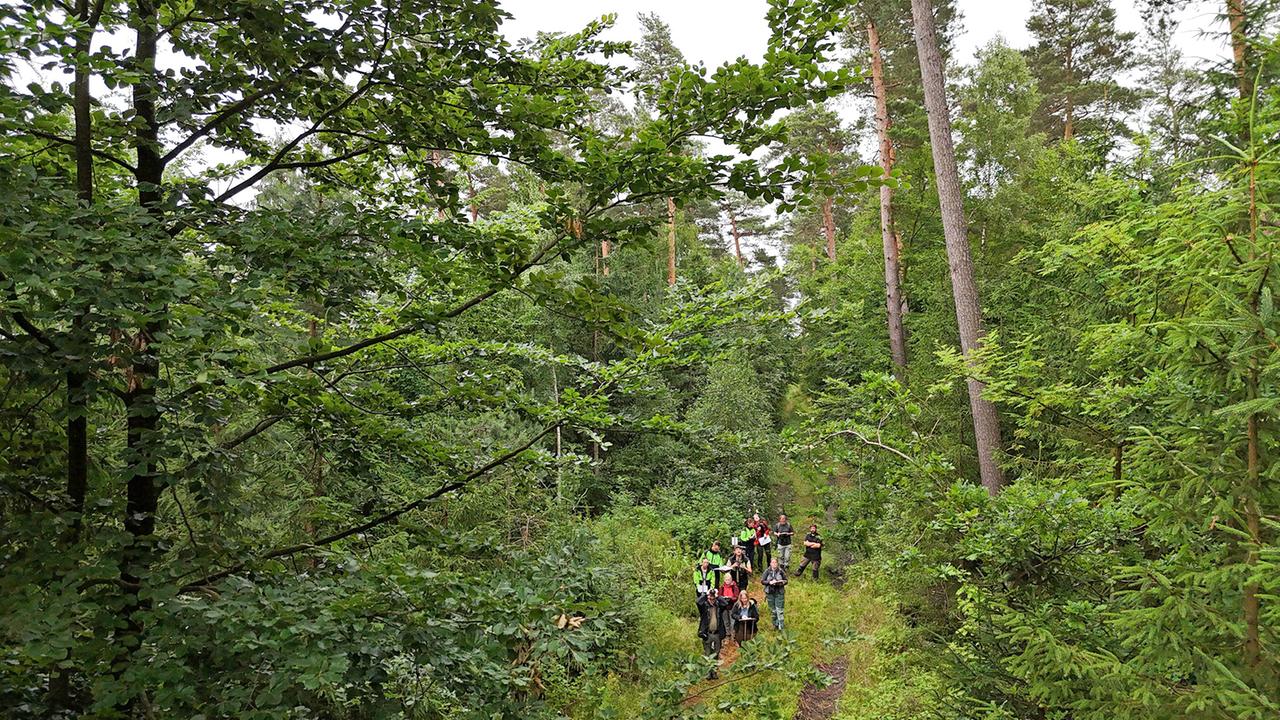
Artificial intelligence (AI) systems are becoming increasingly important for managing German forests, which are under severe stress from heat, drought, and bark beetle infestations. These AI tools offer enhanced capabilities for assessing the current state of the forests and supporting the necessary transformation of woodland ecosystems. The integration of AI is seen as crucial for developing effective strategies to combat the ongoing environmental pressures. By providing better data analysis and predictive capabilities, AI can help forest managers make more informed decisions. This is essential for promoting the resilience and long-term health of Germany's forests in the face of climate change. The application of AI in this sector aims to proactively address threats and facilitate a sustainable approach to forest conservation and development. The technology can monitor forest health, predict pest outbreaks, and optimize resource allocation for reforestation efforts.
AI integration in German forest management presents a data-driven approach to address ecological crises exacerbated by climate change. By leveraging AI for assessment and strategic planning, authorities can potentially optimize resource allocation and intervention timing, moving beyond reactive measures. This technological shift highlights a broader trend of applying advanced analytics to environmental stewardship, aiming to enhance efficiency and predictive accuracy in conservation efforts. The challenge lies in ensuring equitable access to these technologies and integrating AI insights with traditional ecological knowledge to foster resilient forest ecosystems for the future.
AI-generated to prompt reflection — not editorial opinion, not advice, not a statement of fact. How this works.