AI Tool Aids Clinicians in Nairobi Clinic; Study Assesses Patient Impact
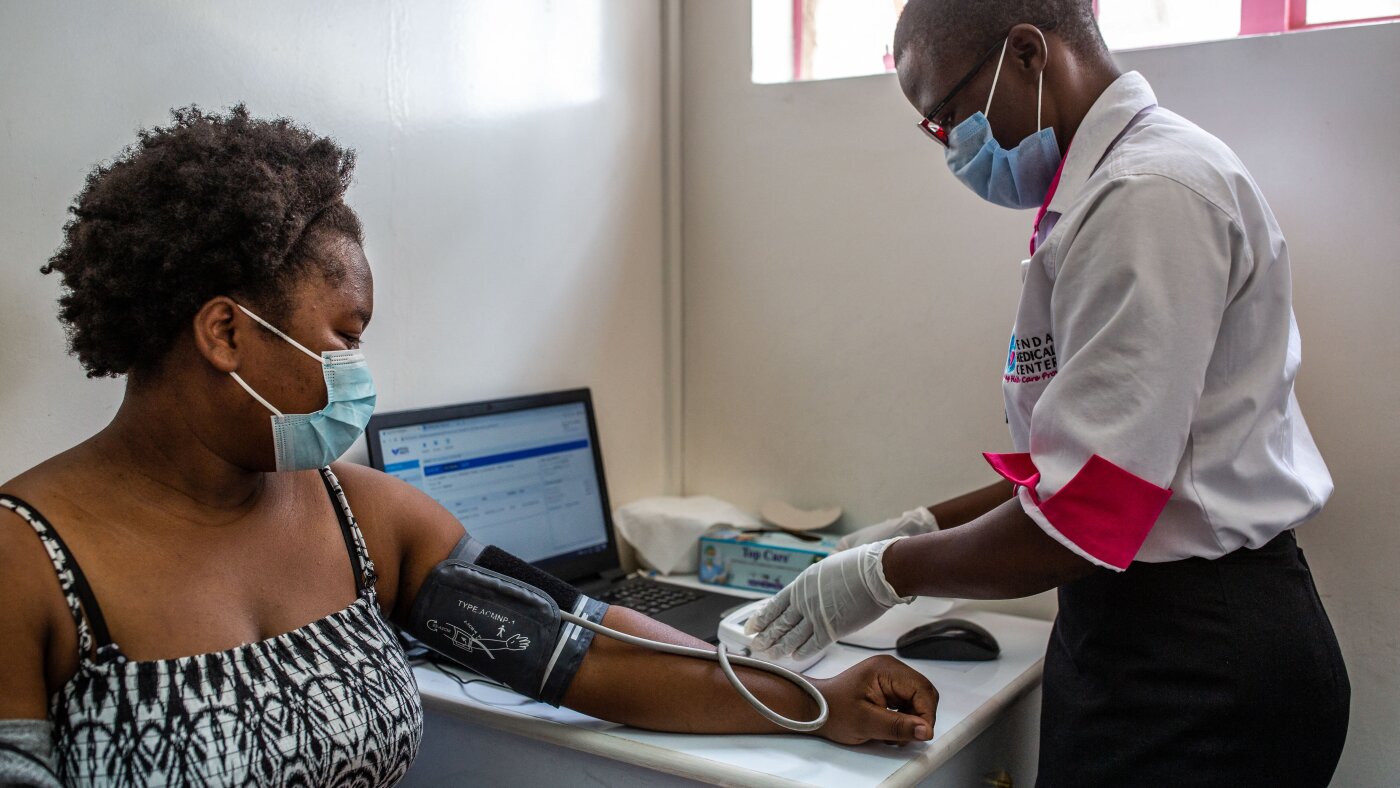
Medical professionals at a clinic in Nairobi, Kenya, utilized an artificial intelligence tool designed to serve as a 'second pair of eyes' for their diagnostic work. The implementation of this AI technology aimed to enhance the accuracy and efficiency of clinical assessments. A recent study was conducted to rigorously evaluate the outcomes of using this AI tool in a real-world healthcare setting. The research specifically focused on determining whether the AI assistance led to tangible benefits for the patients receiving care. The study's findings will provide crucial insights into the practical effectiveness and patient-centric advantages of integrating AI into clinical workflows in resource-limited environments. This evaluation is particularly important for understanding the potential of AI to improve healthcare delivery and patient well-being globally. The results are expected to inform future decisions regarding the adoption and deployment of similar AI technologies in medical practices.
AI tools are increasingly being integrated into healthcare systems to augment human capabilities, offering potential improvements in diagnostic accuracy and efficiency. This study in Nairobi explores the tangible benefits of such technology for patients, moving beyond theoretical advantages to assess real-world impact. The integration of AI in clinical settings raises important questions about equitable access, data privacy, and the evolving role of healthcare professionals. Evaluating these systems through the lens of patient outcomes is critical for ensuring that technological advancements truly serve public health goals. Future developments will likely focus on refining AI's ability to support clinicians while maintaining a patient-centered approach, particularly in diverse global healthcare contexts.
AI-generated to prompt reflection — not editorial opinion, not advice, not a statement of fact. How this works.