AI Tool 'Noa Evidence' Launched in Chile to Revolutionize Medical Research
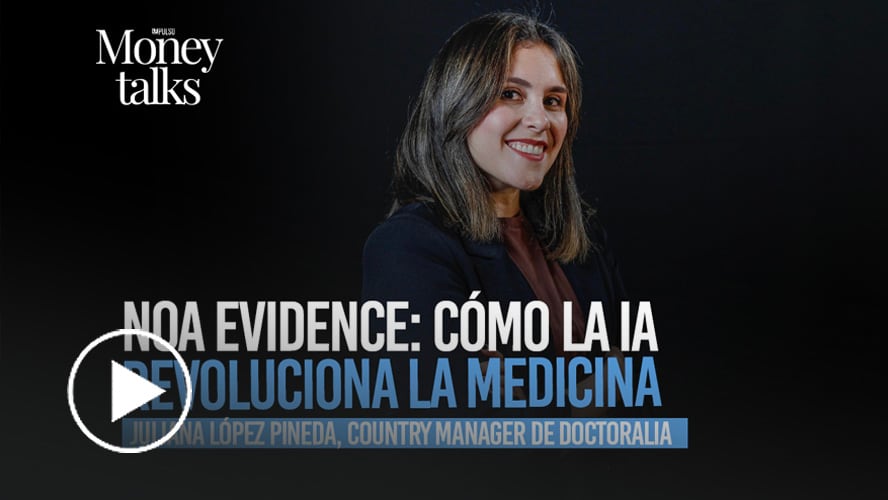
Doctoralia, a prominent company in the health sector, has introduced 'Noa Evidence' in Chile. This innovative tool is an AI-powered assistant specifically designed for medical literature research. Its primary function is to enable healthcare professionals to quickly access and verify clinical evidence. The system aims to provide this critical information in mere seconds, ensuring it does not disrupt patient care. Juliana López Pineda, Country Manager Chile for Doctoralia, highlighted the tool's potential to transform how medical professionals interact with research. The introduction of Noa Evidence signifies a significant step towards integrating advanced AI technologies into daily medical practice in Chile. This development is expected to enhance the efficiency and accuracy of clinical decision-making by providing rapid access to verified medical data. The platform's design prioritizes seamless integration into the workflow of busy healthcare providers.
AI-driven medical research tools like Noa Evidence represent a significant shift in how healthcare professionals access and process information. By automating literature review and evidence verification, such systems can potentially reduce cognitive load and improve diagnostic accuracy. The challenge lies in ensuring the AI's algorithms are robust, unbiased, and continuously updated to reflect the latest scientific consensus. Over-reliance on AI without critical human oversight could introduce new systemic risks if the underlying data or models are flawed. Future developments will likely focus on explainability, data privacy, and seamless integration with existing electronic health records to maximize benefits while mitigating potential downsides in the evolving healthcare landscape.
AI-generated to prompt reflection — not editorial opinion, not advice, not a statement of fact. How this works.