AI Toys for Kids: Promise and Peril in the Digital Age
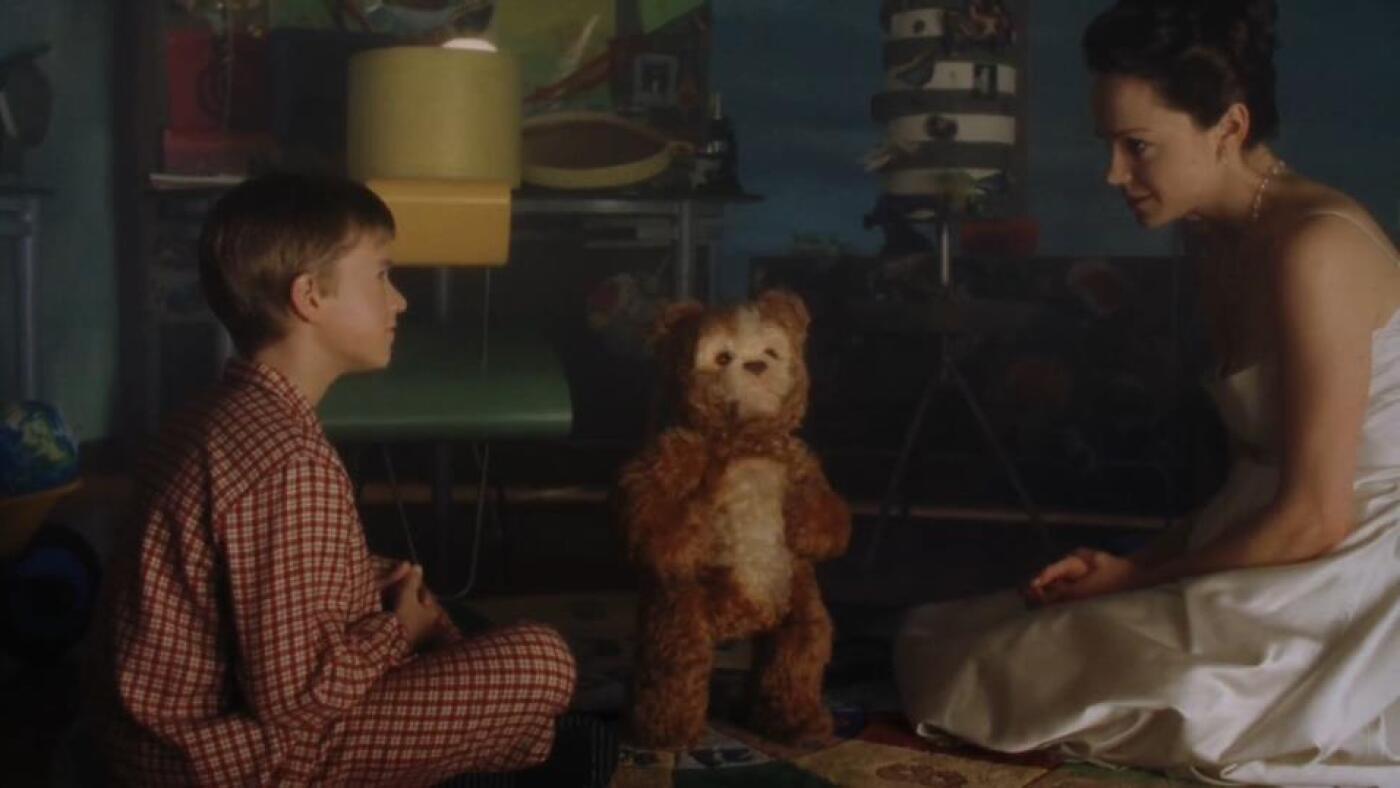
Artificial intelligence is increasingly being integrated into children's toys, including dolls and robots designed to act as companions. While this technology holds significant potential for enriching childhood experiences, a prominent child-development expert warns of potential drawbacks. The primary concern is that these AI-driven toys could inadvertently displace the essential human interactions that are crucial for healthy child development. The expert acknowledges the promise of AI in this context but emphasizes the critical need to balance technological engagement with genuine interpersonal relationships. This development raises questions about the future of play and socialization for children growing up in an era where AI is becoming more pervasive.
AI integration into children's toys presents a complex trade-off between novel interactive experiences and fundamental developmental needs. While AI companions could offer educational benefits or alleviate loneliness, they may also inadvertently reduce opportunities for organic social skill development through human interaction. The long-term impact on children's emotional intelligence and capacity for empathy warrants careful consideration as these technologies become more sophisticated and widespread. Future policy and design should prioritize safeguarding children's social and emotional well-being by ensuring AI toys supplement, rather than supplant, the vital role of human connection in formative years.
AI-generated to prompt reflection — not editorial opinion, not advice, not a statement of fact. How this works.