AI Uncovers Hidden Earthquake Signals Near San Andreas Fault
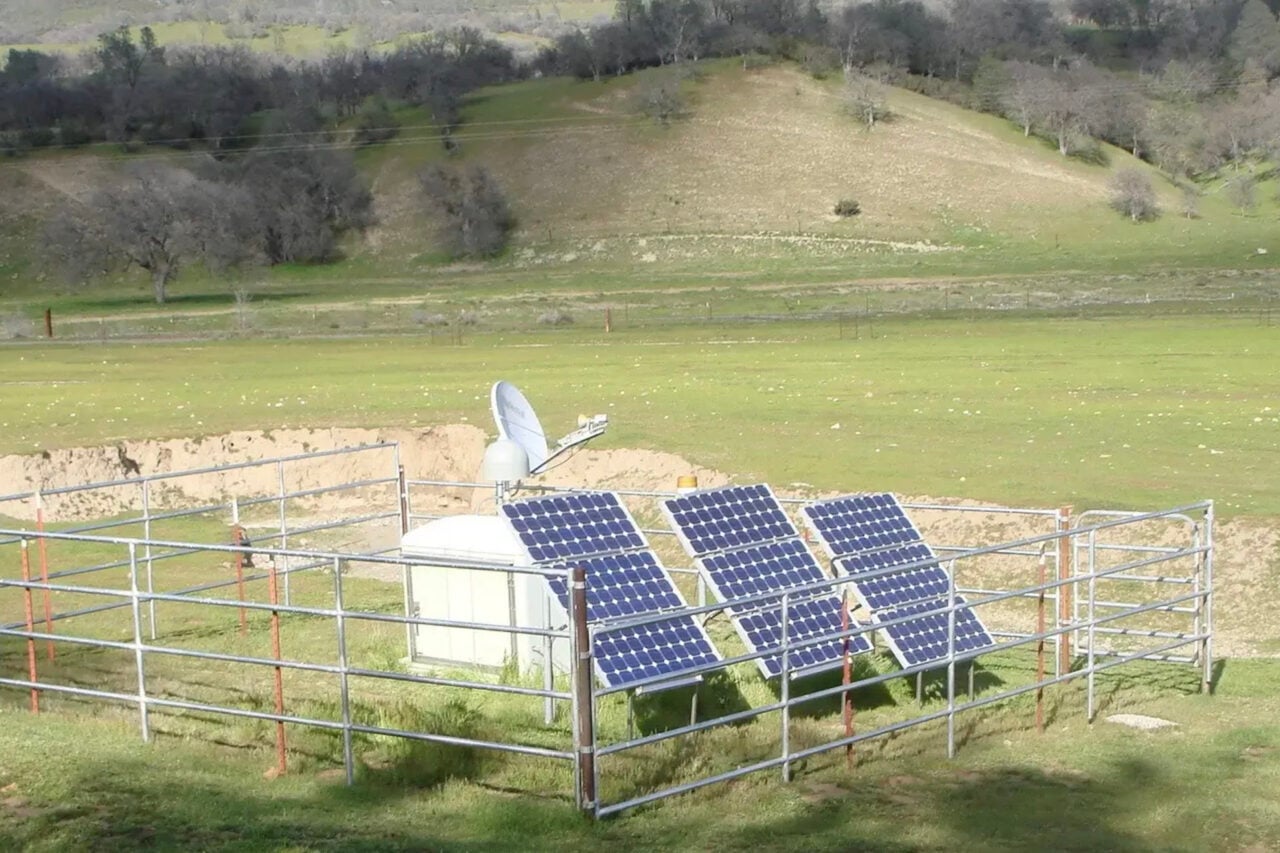
Scientists have discovered previously undetectable earthquake signals along the San Andreas Fault using artificial intelligence. These signals are associated with "slow slip events," a phenomenon that was once considered theoretically impossible. Slow slip events involve subtle tectonic shifts that occur over longer periods than typical earthquakes. The researchers believe that understanding these events could be crucial for improving future earthquake prediction capabilities. This breakthrough challenges previous scientific assumptions about tectonic plate movement and opens new avenues for seismic research. The application of AI has proven instrumental in identifying these elusive signals, which may have been overlooked by traditional analysis methods. Further study of these slow slip events could lead to more accurate forecasting of seismic activity, potentially saving lives and mitigating damage.
AI's application in seismology is demonstrating its power to identify subtle patterns previously missed by human analysis, potentially revolutionizing earthquake prediction. By uncovering "slow slip events," which defy earlier theoretical models, AI is challenging established scientific paradigms. This development highlights the increasing importance of advanced computational tools in understanding complex natural phenomena. The ability to detect these events could lead to more nuanced forecasting models, shifting the focus from immediate prediction to longer-term risk assessment. This advancement underscores a broader trend where AI is enabling scientific discovery by processing vast datasets to reveal hidden correlations and anomalies, pushing the boundaries of what was previously considered observable or even possible.
AI-generated to prompt reflection — not editorial opinion, not advice, not a statement of fact. How this works.