AI Use Surges in HSC Student Cheating Incidents
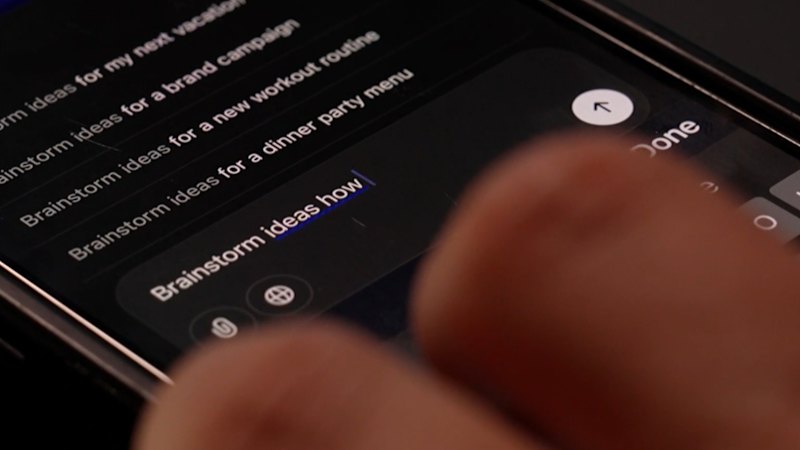
Recent data indicates a significant increase in instances of Higher School Certificate (HSC) students resorting to artificial intelligence for cheating. This trend highlights a growing challenge for educational institutions in maintaining academic integrity in the digital age. The surge in AI-assisted cheating suggests that students are finding new and sophisticated ways to bypass traditional assessment methods. Educational authorities are now grappling with how to effectively detect and deter such practices. The implications of this rise extend beyond individual student misconduct, potentially impacting the perceived value and fairness of the HSC qualification. Schools and examination boards are likely to review and update their policies and technological safeguards to address this evolving threat. The development and accessibility of AI tools have outpaced current detection mechanisms, creating a gap that students are exploiting. This situation necessitates a proactive approach from educators to foster a culture of academic honesty while adapting to technological advancements. The long-term impact on the educational landscape and the skills assessment framework remains a key concern.
AI's increasing accessibility presents a novel challenge to academic integrity frameworks, particularly within high-stakes examinations like the HSC. The rise in AI-fueled cheating suggests a need for educational systems to adapt assessment strategies, moving beyond methods easily circumvented by current AI capabilities. This situation prompts a re-evaluation of how to foster genuine learning and critical thinking, rather than solely focusing on detection. Over the next decade, educational institutions will likely need to integrate AI literacy and ethical usage into curricula, alongside developing more robust, AI-resistant assessment tools. The core tension lies in balancing the potential of AI as a learning aid with its misuse as a shortcut, requiring a systemic approach to ensure the credibility of qualifications.
AI-generated to prompt reflection — not editorial opinion, not advice, not a statement of fact. How this works.