AI Used in Brazil to Deceive Courts: "An Invisible Fraud"
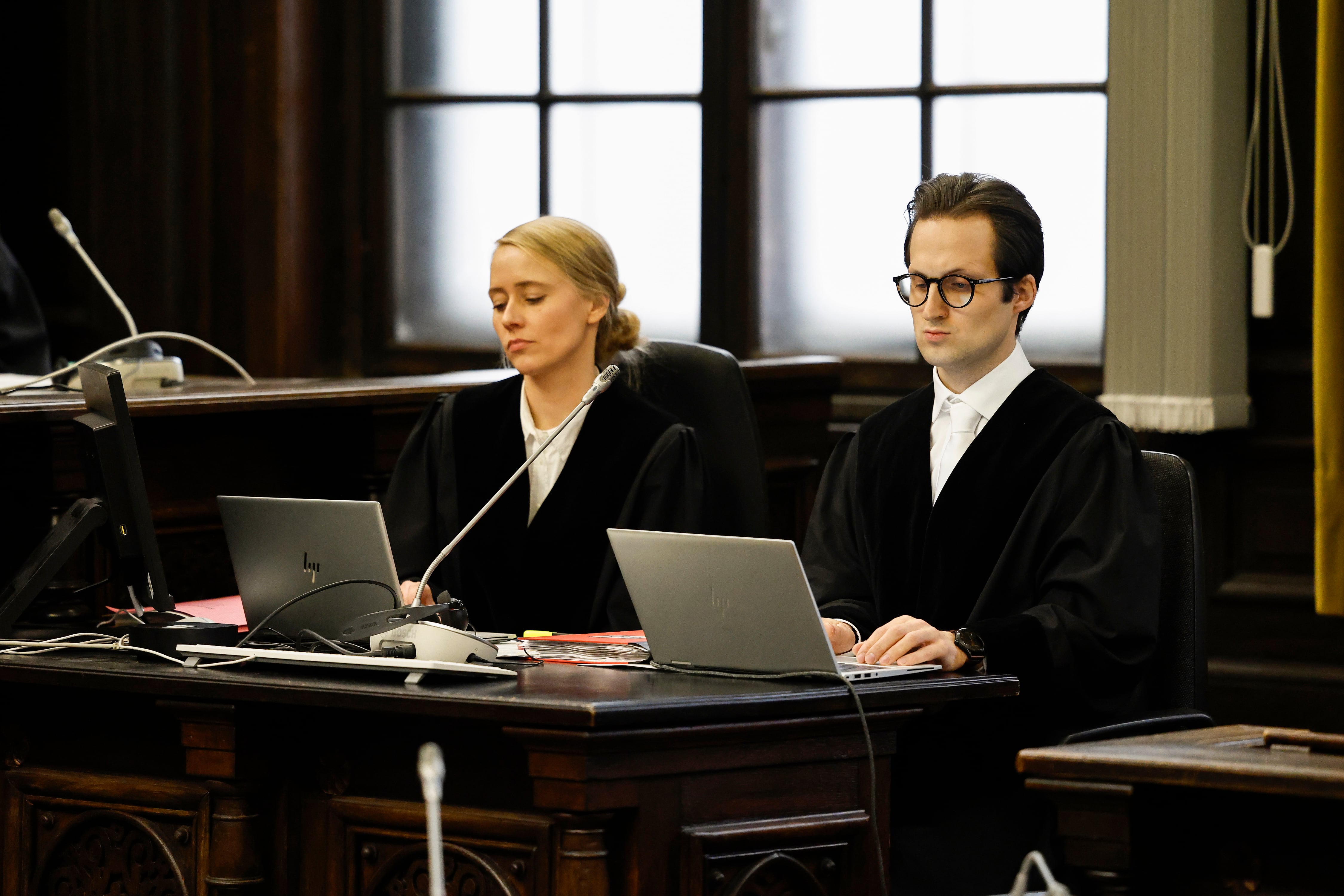
A growing number of cases in Brazil are revealing a new method of judicial deception involving artificial intelligence. Lawyers are reportedly attempting to influence judges' decisions through technical "traps" that leverage AI capabilities. This emerging practice has been described as an "invisible fraud" due to its subtle and potentially undetectable nature. The specific mechanisms and extent of this AI-assisted deception are still under investigation, but the trend suggests a significant challenge for the integrity of the legal system. These instances highlight the urgent need for robust safeguards and updated legal frameworks to address the misuse of advanced technologies in court proceedings. The development raises concerns about fairness and due process as AI tools become more accessible and sophisticated. Legal professionals and judicial bodies are grappling with how to identify and counter these sophisticated fraudulent techniques. The situation underscores a critical juncture where technological advancement intersects with the fundamental principles of justice.
The emergence of AI-assisted deception in Brazilian courts signifies a critical inflection point in the intersection of technology and the justice system. This phenomenon presents a novel challenge to judicial oversight, as AI's capacity for complex, subtle manipulation could bypass traditional detection methods. The "invisible fraud" moniker suggests that current legal and technical frameworks may be ill-equipped to identify and prosecute such sophisticated schemes. As AI becomes more integrated into professional workflows, legal systems globally will face increasing pressure to develop advanced detection capabilities and ethical guidelines. This situation compels a forward-looking approach, considering how AI governance can be strengthened to ensure equitable access to justice and prevent the erosion of judicial integrity in the coming decade.
AI-generated to prompt reflection — not editorial opinion, not advice, not a statement of fact. How this works.