AI Video Generation Matures: Seedance 2.0 Leads Six Top Tools in Head-to-Head Review
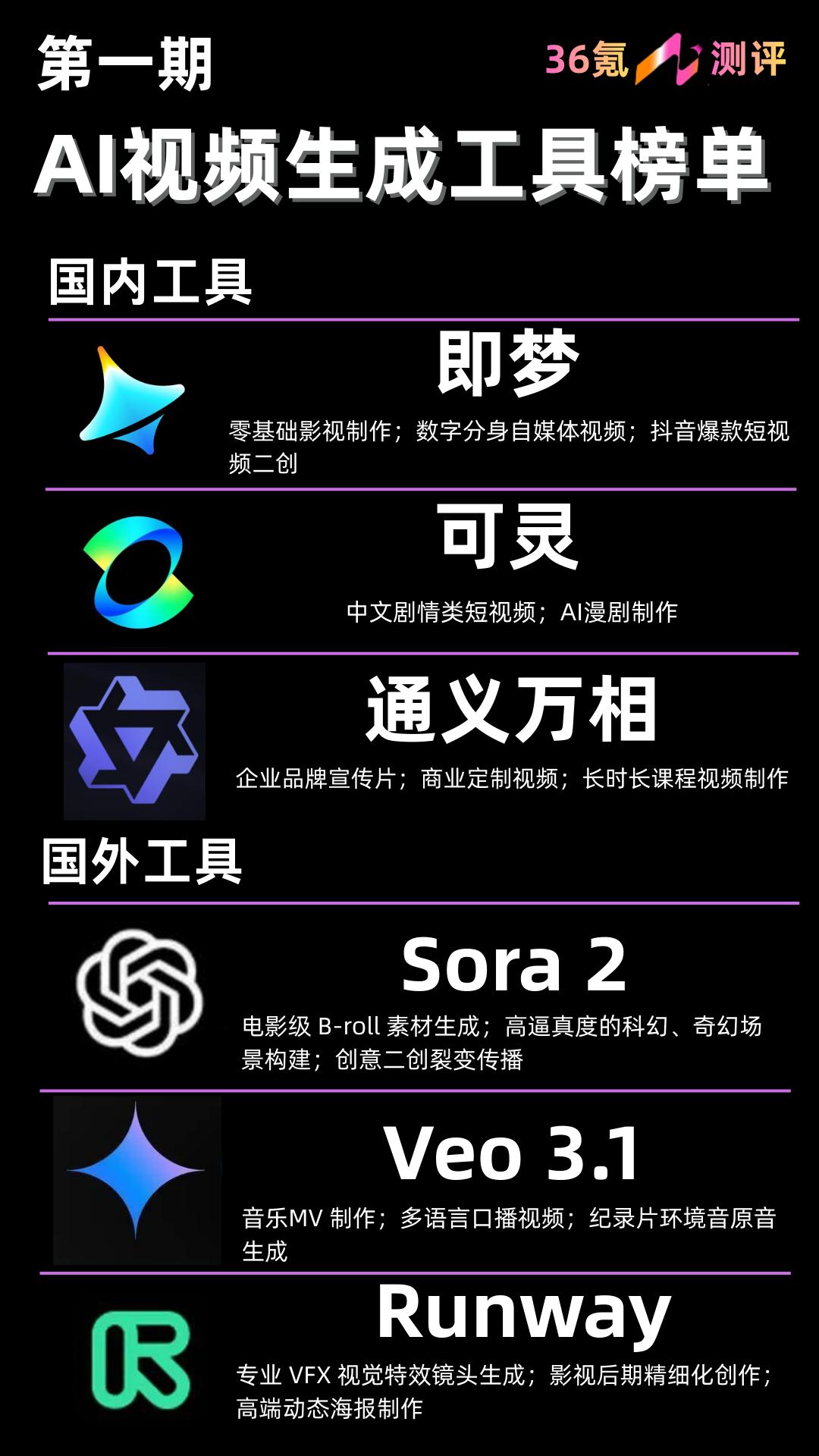
The AI video generation landscape in 2026 has entered a phase of rapid maturity and intense competition, with tools like Seedance 2.0 driving widespread adoption. In just two years, AI video has evolved from fragmented, blurry clips to coherent, minute-long narratives with accurate physical world rendering, far exceeding initial expectations. These tools have transitioned from merely functional to user-friendly and, ultimately, professional-grade, significantly lowering the barrier to creative execution. This allows professional teams to preview blockbusters and amateur users to generate viral short videos with ease.
This review evaluates six leading AI video generation tools, both domestic and international, after a two-week hands-on testing period. The selection covers diverse needs, from beginner creators to professional post-production, and from individual content creators to enterprise commercial use. The analysis details each tool's core strengths, practical user experience, and limitations to help users make informed choices. Key contenders include ByteDance's Seedance 2.0 (Jimeng AI), Kuaishou's Kling 3.0 (Keling AI), Alibaba's Wanxiang Tongyi (Wan), OpenAI's Sora 2.0, Google's Veo 3.1, and Runway Gen-4.5.
AI video generation is rapidly evolving, moving from novelty to a professional tool. The current competitive landscape, exemplified by tools like Seedance 2.0 and Sora 2.0, highlights a significant shift in creative workflows. While these advancements democratize video production, potential challenges include the immense computational resources required, potential misuse of highly realistic persona transfer features, and the need for robust ethical guidelines and content moderation. The integration of AI into professional post-production workflows, as seen with Runway, suggests a future where AI doesn't just generate content but augments human creativity and efficiency. Balancing innovation with responsible development, particularly concerning data privacy and the authenticity of generated content, will be crucial as the technology matures.
AI-generated to prompt reflection — not editorial opinion, not advice, not a statement of fact. How this works.