AI Voice Assistants: The "Vibe Coding" Revolution
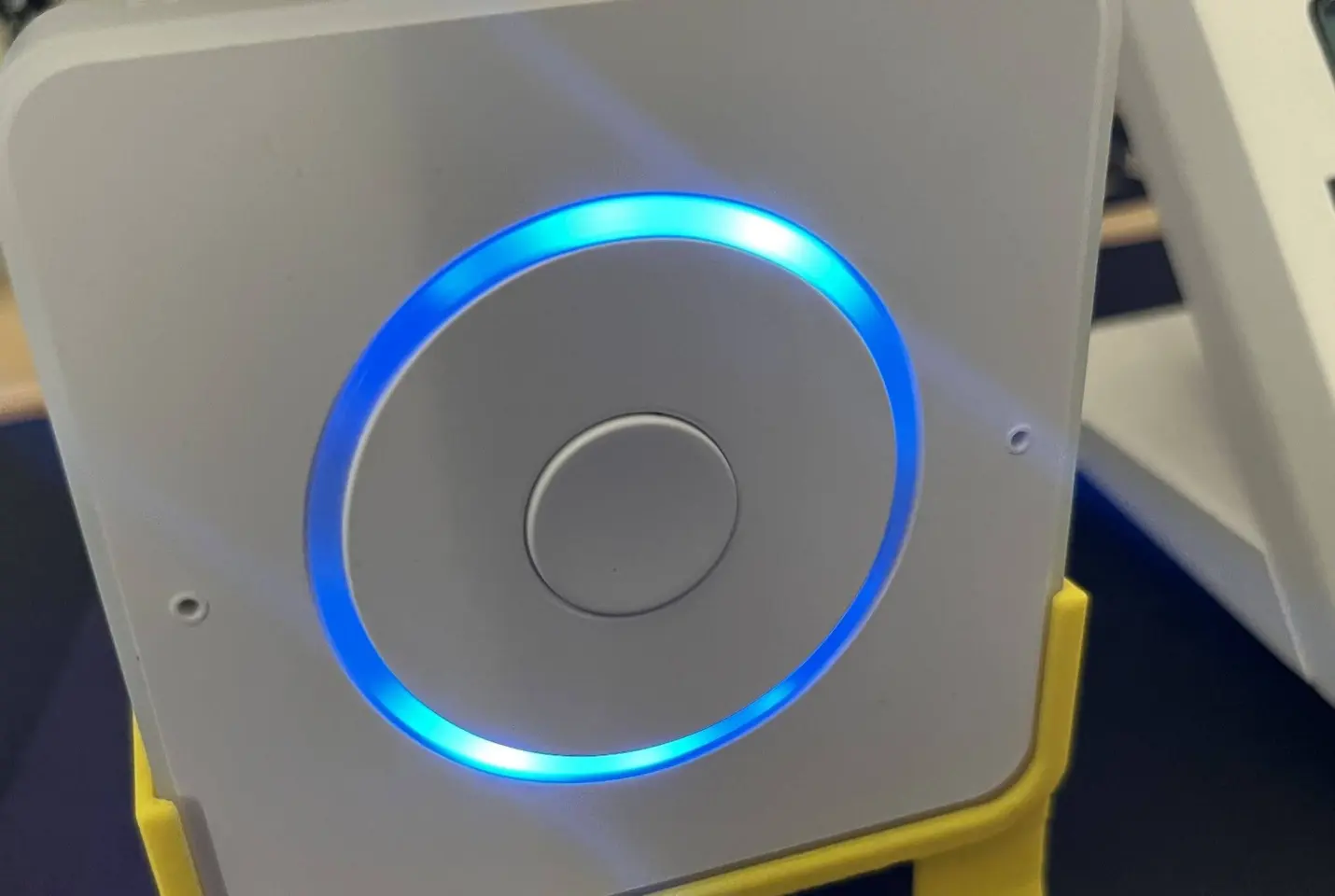
The author reflects on the increasing capabilities of AI voice assistants, specifically mentioning Home Assistant's Nabu. In a previous article titled "Domesticating AI: It's not coming, it's already here," published in June, the author concluded with a throwaway remark about naming the AI "Yaffle." This current piece revisits the idea of "domesticating AI," suggesting that the intuitive way users can interact with these systems, almost as if the AI understands their intentions without explicit commands, feels akin to "cheating." This "vibe coding" concept highlights how AI is becoming seamlessly integrated into daily life, blurring the lines between human intention and machine execution. The author's engagement with Nabu serves as a concrete example of this evolving human-AI relationship. The article touches upon the rapid advancements in AI technology and its potential to fundamentally alter how we interact with our homes and technology.
AI's progression towards intuitive interaction, termed "vibe coding," signifies a shift from explicit command-based systems to more anticipatory and context-aware interfaces. This evolution, exemplified by Home Assistant's Nabu, suggests a future where technology more seamlessly integrates with human intent, potentially reducing cognitive load. However, this increasing reliance on AI's perceived understanding raises questions about user agency and the potential for misinterpretation or over-reliance. As AI systems become more adept at inferring user needs, it will be crucial to ensure transparency in their decision-making processes and maintain robust mechanisms for user control and feedback to foster trust and prevent unintended consequences in the long term.
AI-generated to prompt reflection — not editorial opinion, not advice, not a statement of fact. How this works.