AI vs. Human Travel Advice: A Personal Test
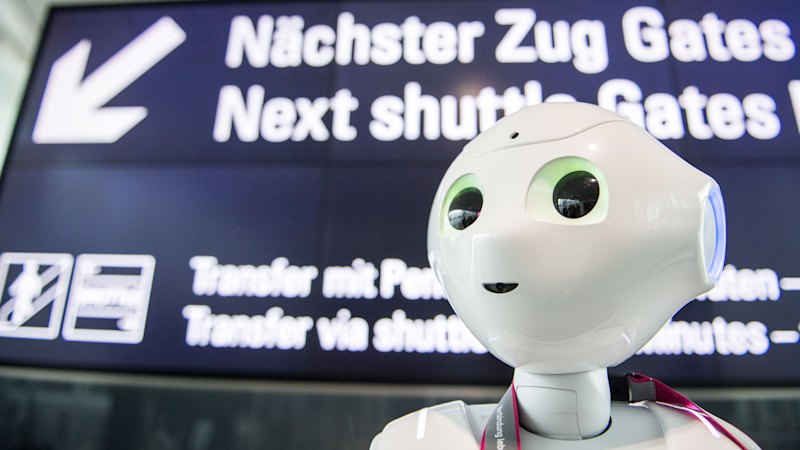
The author explores the capabilities of artificial intelligence in providing travel advice, acknowledging valid reader reservations about AI technology. The piece suggests that when utilized appropriately, AI can significantly reduce the time spent on research for travel planning. This exploration aims to determine if AI can offer superior travel recommendations compared to human expertise. The article sets up a direct comparison to evaluate the effectiveness and efficiency of AI in this domain. It highlights the potential for AI to streamline the often time-consuming process of gathering travel information. The author's personal test serves as a practical demonstration of AI's utility. The core question is whether AI's data processing power can outperform human intuition and experience in travel advice. This investigation delves into the practical applications of AI in everyday decision-making processes. The findings could inform readers about the benefits and limitations of relying on AI for travel planning.
AI's growing proficiency in information synthesis presents a compelling case for its integration into consumer-facing services like travel planning. While human expertise offers nuanced understanding and personalized experience, AI's capacity for rapid data analysis and pattern recognition can potentially democratize access to comprehensive travel insights. The challenge lies in developing AI systems that not only process information efficiently but also understand the subjective and emotional aspects of travel. Future iterations may focus on hybrid models, combining AI's analytical power with human oversight to deliver both efficiency and personalized, context-aware recommendations. This evolution could reshape the travel advisory landscape, offering consumers more informed choices and potentially reducing the cognitive load associated with complex planning.
AI-generated to prompt reflection — not editorial opinion, not advice, not a statement of fact. How this works.