AIM's Legacy: A Precursor to Open Communication Platforms
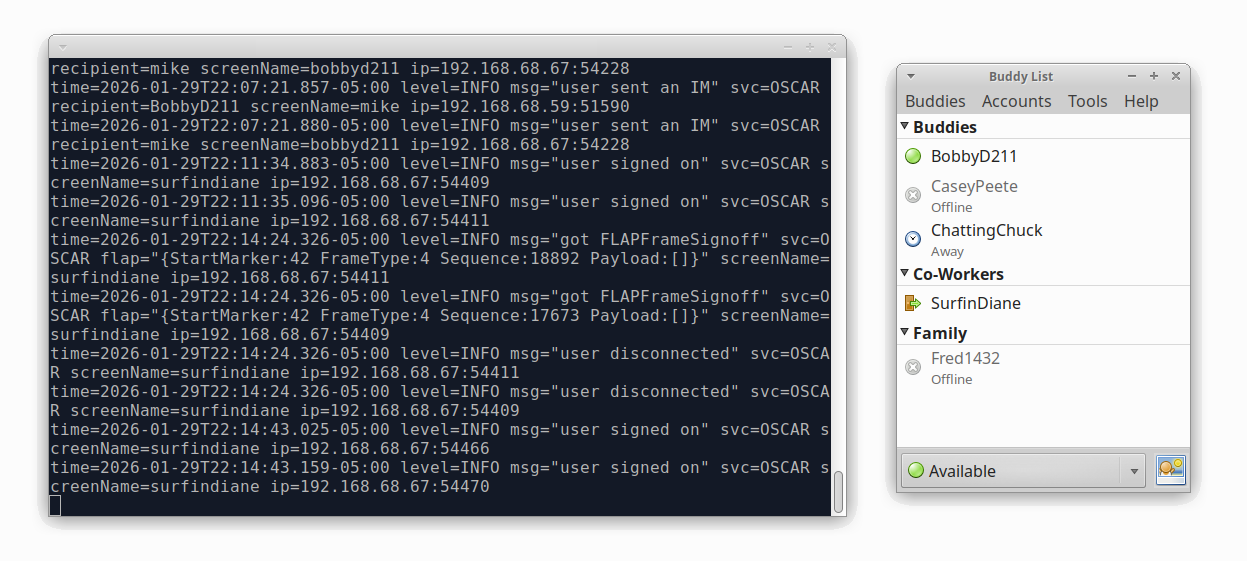
AOL's Instant Messenger (AIM), a once-ubiquitous communication tool, remained operational until 2017, surprisingly outlasting its initial launch by two years after Discord entered the market. The article suggests that AIM offered a different approach to online interaction compared to Discord. While the provided text is brief and lacks specific details about AIM's operational differences from Discord or its eventual discontinuation, it highlights the longevity of a platform that was a significant part of early internet culture. The comparison implicitly points to evolving user needs and technological advancements that favored newer platforms like Discord. The article aims to draw parallels between AIM's historical role and the current landscape of digital communication, suggesting that even older technologies can offer lessons or insights into the development of modern platforms.
The comparison between AIM and Discord frames the evolution of digital communication platforms. While AIM represented a centralized, proprietary model, its continued operation until 2017 suggests a persistent, albeit declining, user base. The eventual sunsetting of AIM, juxtaposed with Discord's rise, illustrates a market shift towards more community-centric and potentially decentralized communication architectures. This transition reflects a broader trend where users increasingly seek platforms that offer greater customization, integration capabilities, and foster specific online communities, moving away from monolithic, one-size-fits-all solutions. The longevity of AIM, even in its twilight years, underscores the enduring human need for connection, while its eventual obsolescence highlights the dynamic nature of technological adoption and the competitive pressures driving innovation in the digital space.
AI-generated to prompt reflection — not editorial opinion, not advice, not a statement of fact. How this works.