Air humidity drops critically low in Brazil's Paraíba Valley region
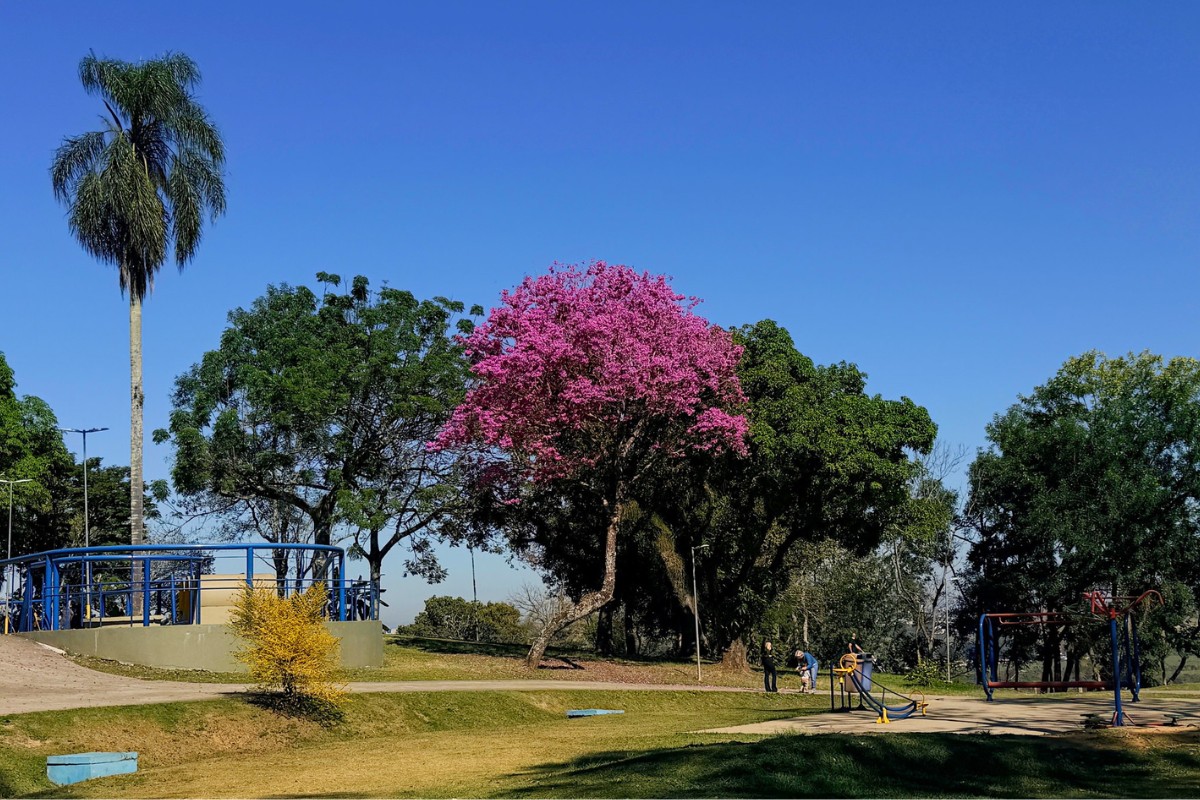
Several cities in Brazil's Paraíba Valley experienced critically low air humidity on Tuesday, September 21st, falling below the recommended levels set by the World Health Organization (WHO). Taubaté recorded a humidity level of 24%, while Cachoeira Paulista registered 27%. These figures are classified as a state of attention, requiring increased hydration and caution with outdoor activities. São Luiz do Paraitinga and São José dos Campos reported 32% humidity, and Campos do Jordão recorded 42%. The WHO considers the ideal range for air humidity to be between 60% and 80%. The National Institute of Meteorology (Inmet) issued a warning for low humidity, categorizing it as a "potential danger" from 12 PM to 6 PM on Wednesday, September 22nd. This dry spell is exacerbated by a phenomenon known as "veranico," or Indian summer, which brings unseasonably warm temperatures and clear skies during winter. Lieutenant Ludmyla Alcantara of the São Paulo State Civil Defense stated that this veranico is expected to affect the entire state until Sunday, September 24th, characterized by elevated temperatures, abundant sunshine, and a severe lack of rain and cloud cover. The Civil Defense advises residents to stay hydrated, pay extra attention to children and the elderly, ventilate indoor spaces, use humidifiers or water containers to increase humidity, and avoid strenuous outdoor activities during the hottest parts of the day. They also cautioned against open fires and the release of balloons due to increased fire risk.
The current atmospheric conditions in the Paraíba Valley highlight a recurring challenge in regions experiencing seasonal climate shifts, particularly the "veranico" phenomenon. This event, characterized by dry air and elevated temperatures during winter, underscores the impact of climate variability on public health and safety. The low humidity levels necessitate proactive public health measures, such as increased hydration and respiratory care, especially for vulnerable populations. From a systemic perspective, the increased risk of fires due to dry conditions and potential human activities like land clearing or waste burning requires robust public awareness campaigns and enforcement of safety regulations. Looking ahead, understanding and adapting to these predictable yet impactful climate anomalies will be crucial for regional resilience, potentially influencing urban planning, agricultural practices, and emergency response strategies in the coming decade.
AI-generated to prompt reflection — not editorial opinion, not advice, not a statement of fact. How this works.