Air Travel Distance for World Cup Teams: France's Short Flights vs. England's Extensive Mileage
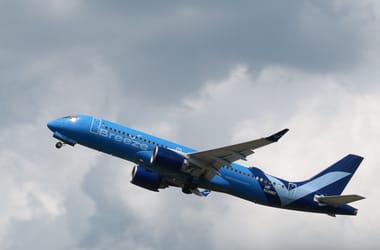
A comparison of the air travel distances undertaken by teams participating in the Football World Cup reveals significant disparities. French teams have, thus far, required minimal travel, indicating shorter journeys. In contrast, English teams have accumulated substantial mileage, exceeding 20,000 kilometers. This analysis highlights the varying travel burdens placed upon teams throughout the tournament. The extent of these travel differences raises questions about their potential impact on the performance of the semi-finalist teams. Teams that have undertaken less arduous travel might possess a performance advantage. Conversely, those with extensive travel may face greater fatigue. The ranking of teams based on their air travel distance provides a unique perspective on the logistical challenges of international sports events. Understanding these travel metrics is crucial for a comprehensive evaluation of team preparedness and potential outcomes in the later stages of the competition.
The varying travel distances for World Cup teams introduce a logistical variable that could influence athletic performance. Teams undertaking extensive travel may face increased fatigue and jet lag, potentially impacting their physical and mental readiness for crucial matches. Conversely, teams with shorter travel itineraries might benefit from better recovery and acclimatization. This disparity in travel burden, while not the sole determinant of success, represents an external factor that organizers and teams must consider in strategic planning and player management. Evaluating the impact of such logistical challenges offers insights into the complex interplay between sports, global travel, and competitive outcomes in the modern era.
AI-generated to prompt reflection — not editorial opinion, not advice, not a statement of fact. How this works.