Airbnb Removes Over 1,600 Irregular Social Housing Listings in São Paulo
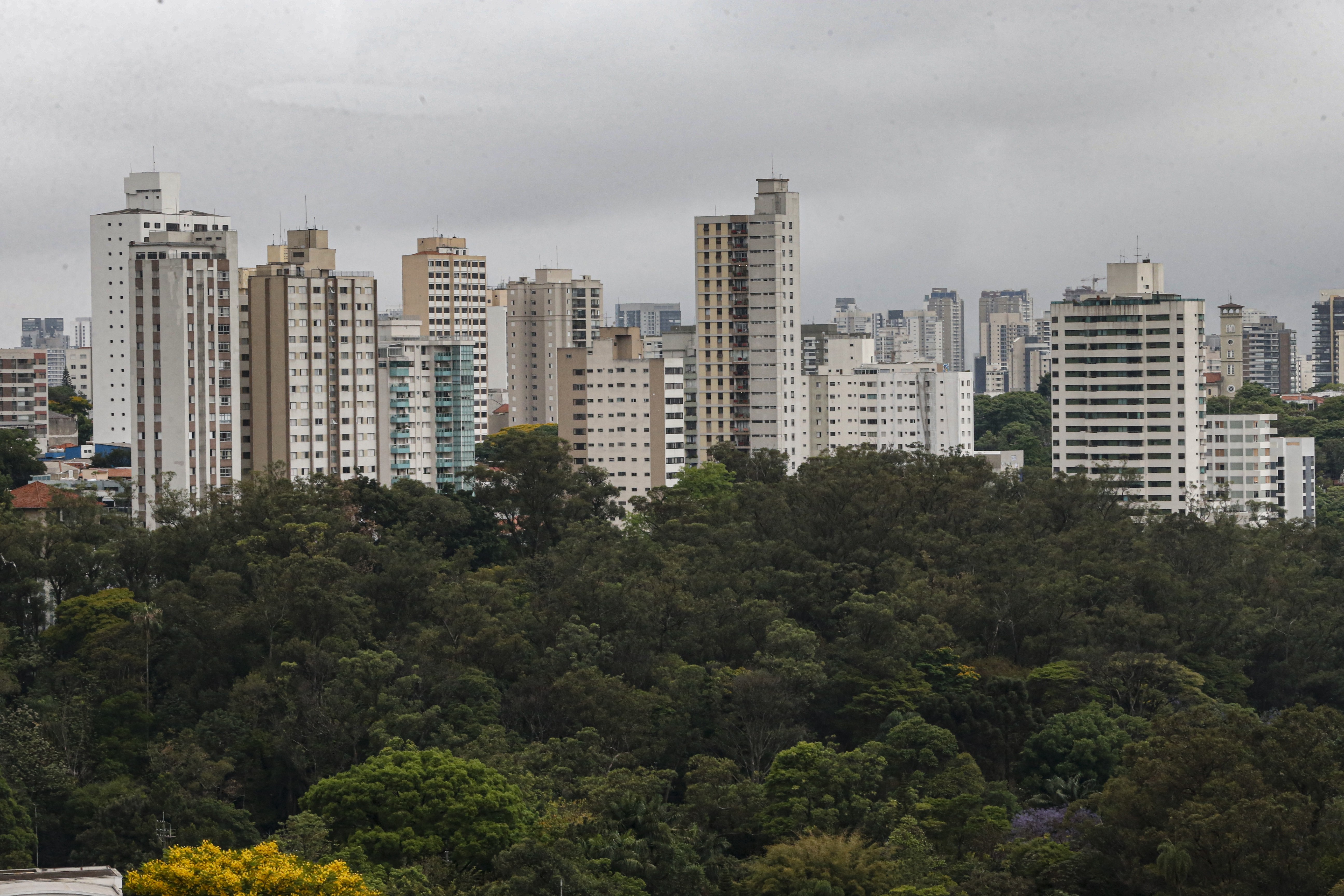
Airbnb has begun removing over 1,600 listings in São Paulo that are classified as Social Interest Housing (HIS) and Popular Market Housing (HMP). These properties, built with municipal incentives, were intended for lower-income residents but were being used for short-term rentals instead. The company will remove 773 active listings starting Monday, June 3rd, and an additional 852 inactive listings. This action targets a total of 1,625 identified listings based on a list provided by the São Paulo City Hall.
The practice of using these subsidized housing units for short-term rentals was officially prohibited in São Paulo in May 2025 following investigations into fraud involving developers and investors. Airbnb stated that this removal is in compliance with the decree and reiterated its support for HIS and HMP units being used for their intended purpose, pledging continued collaboration with the city government. Hosts will be notified of the removal and can seek clarification from municipal authorities if they believe their property was misclassified. Affected guests will be contacted and offered assistance in finding alternative accommodations.
Investigations, including a CPI in the City Council, revealed that thousands of these incentivized properties were sold to investors, bypassing their intended beneficiaries. The CPI estimated that São Paulo lost R$ 5.1 billion in revenue between 2014 and 2025 due to fraud and misuse of tax incentives for developers. The CPI's final report proposed measures such as limiting HIS and HMP unit purchases to one per individual and implementing stricter oversight of incentivized developments.
This situation highlights a systemic conflict between housing affordability policies and the lucrative short-term rental market. The use of municipal incentives for social housing, intended for low-income families, has been exploited by investors and developers, diverting resources from their intended purpose. Airbnb's compliance with the new municipal decree, while necessary, follows a period where the platform facilitated this diversion. Future policy design could explore mechanisms to better align platform incentives with public interest goals, potentially through data-sharing agreements or tiered regulatory frameworks that differentiate between market-rate and subsidized properties. The long-term challenge lies in creating robust oversight that prevents such circumvention of public policy, ensuring that housing initiatives effectively serve their target populations amidst evolving technological and market dynamics.
AI-generated to prompt reflection — not editorial opinion, not advice, not a statement of fact. How this works.
