Airbus Cuts Aircraft Demand Forecast, Citing Iran War and Trade Tensions
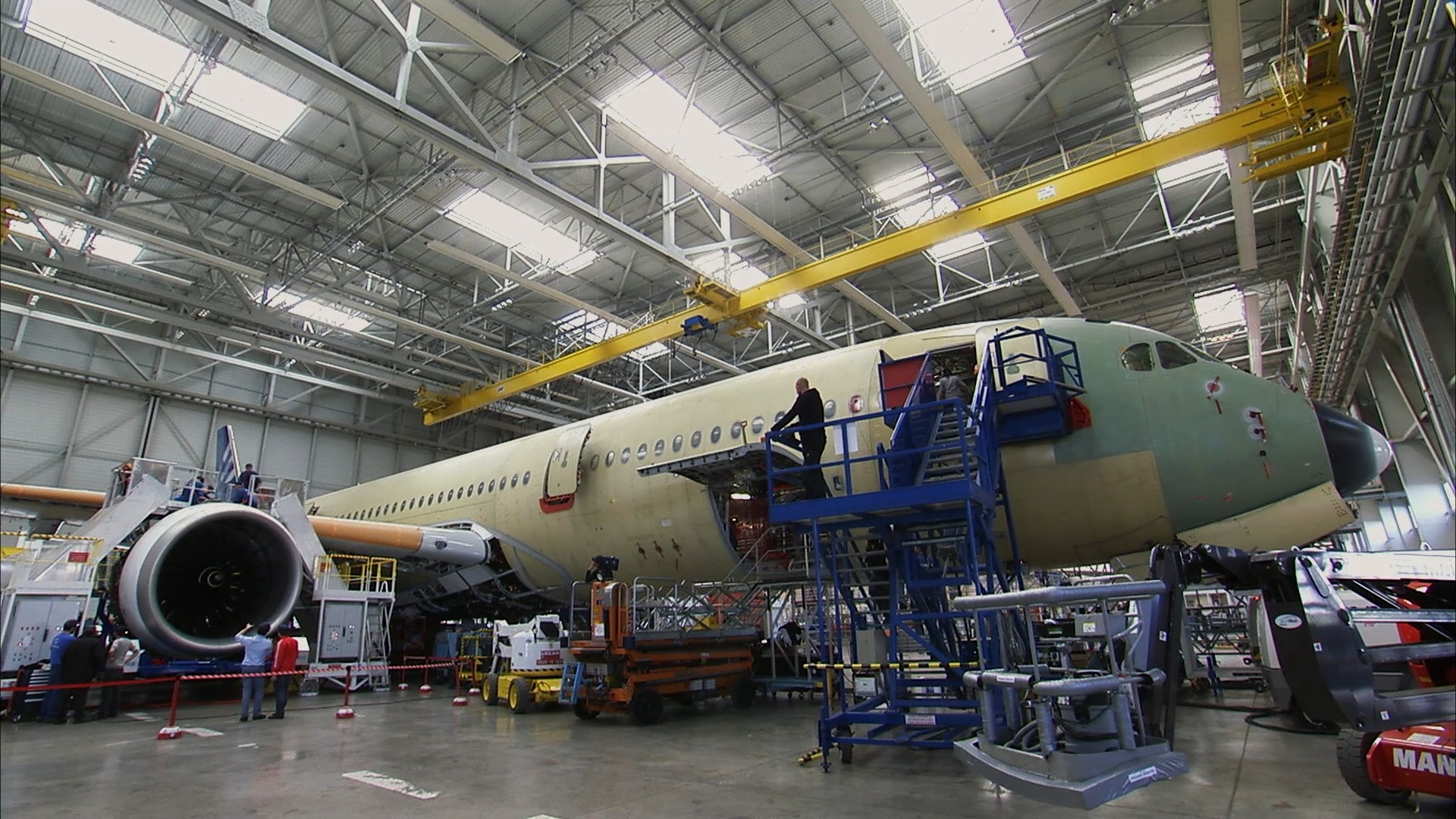
Airbus has reduced its 20-year forecast for global passenger aircraft demand by 1%, attributing the slowdown to the war in Iran and ongoing trade tensions that have hampered the aviation sector's recovery post-COVID-19. Despite the revised outlook, the company still anticipates strong demand, particularly from Asia, which is expected to account for approximately half of all aircraft deliveries. However, consecutive crises have disrupted previous projections, leading to a stagnation in the post-pandemic recovery.
Antonio Da Costa, head of market analysis, stated that the reduced long-term growth perspective indicates a less dynamic aviation market ahead. Airlines are scaling back capacity expansion plans due to rising oil prices, a consequence of the conflict in Iran. Airbus now projects a total of 42,060 commercial jet deliveries between 2026 and 2045, a 1% decrease from its prior forecast. This includes 33,920 single-aisle jets and 8,140 wide-body or long-range jets, both down 1%. This volume is considered just enough to support current production plans for Airbus and Boeing, while also allowing room for China's C919, suggesting a potential easing of recent aircraft shortages.
Furthermore, Airbus anticipates a greater proportion of these deliveries, 47% compared to the previous 45%, will be for fleet replacement rather than expansion. While the company revised its passenger traffic growth forecast upward from 3.6% to 3.9% annually, executives noted this is a downward revision from earlier comparable estimates. Airbus did not provide specific figures for cargo aircraft demand.
The revised aircraft demand forecast by Airbus highlights the significant impact of geopolitical instability and trade disputes on long-term industry projections. While the company points to external factors like the Iran conflict and trade tensions, these events underscore broader systemic risks that can disrupt global supply chains and economic activity. The shift towards fleet replacement over expansion suggests a more cautious approach by airlines, potentially influenced by evolving regulatory environments, fuel efficiency imperatives, and a reassessment of growth trajectories in the face of persistent global uncertainties. This recalibration reflects the complex interplay between macroeconomic forces, technological advancements, and the aviation industry's adaptation to a future shaped by both environmental concerns and geopolitical fragilities.
AI-generated to prompt reflection — not editorial opinion, not advice, not a statement of fact. How this works.