Aircraft TCAS Alerts Prevent Mid-Air Collision Over Atlantic
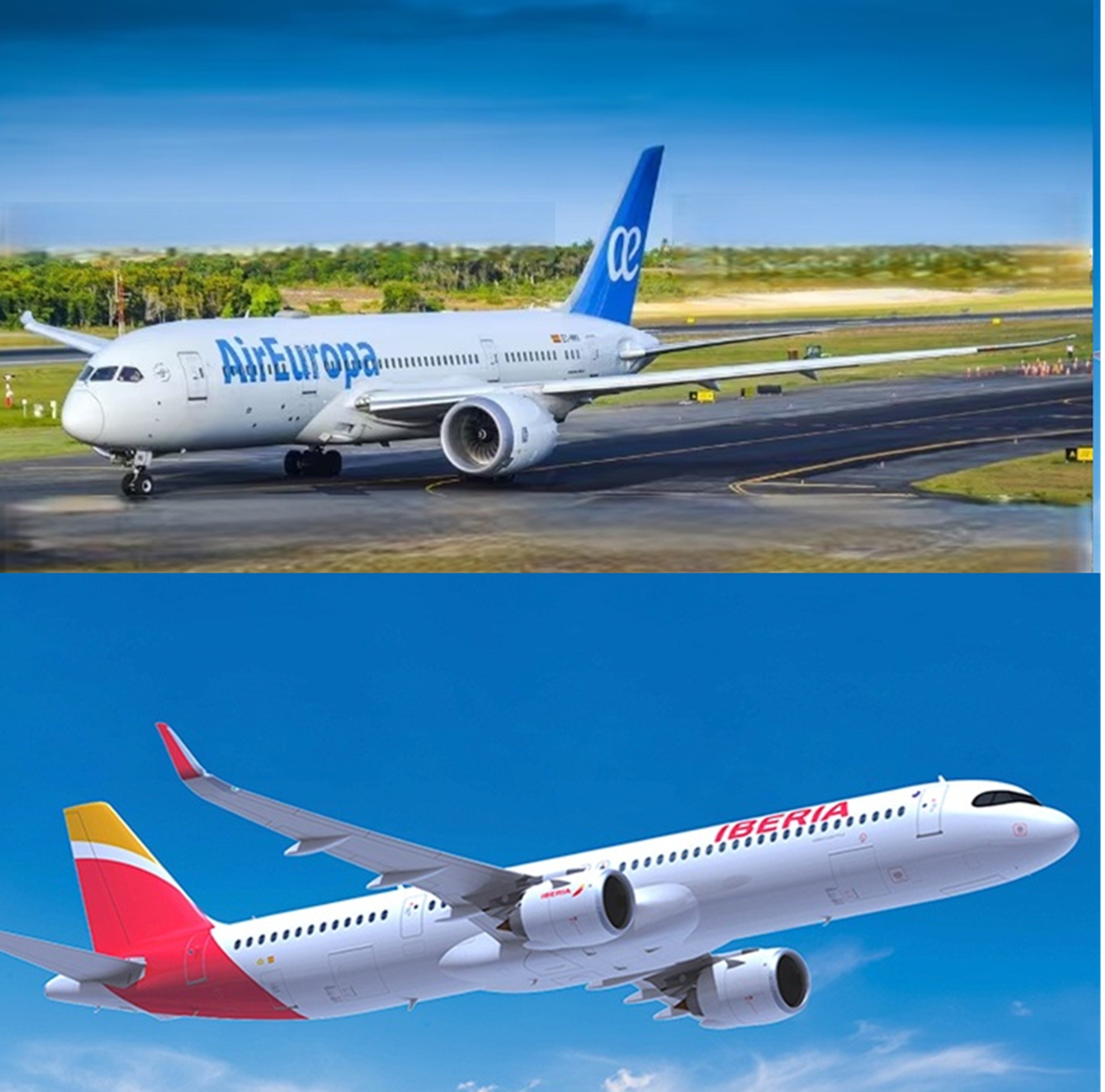
A potential mid-air collision between an Iberia Airbus A321 and an Air Europa Boeing 787 was averted on July 10, 2026, over the Atlantic Ocean near the coast of Western Sahara. The incident occurred around 01:22 UTC when both aircraft were cleared to maintain the same flight level, FL360, on the same airway (N857) heading in opposite directions. The Traffic Collision Avoidance System (TCAS) activated resolution advisories in both cockpits. The Iberia A321, flying from Recife to Madrid (flight IBE0140, registration EC-OLE), was instructed by TCAS to descend. It dropped 500 feet until instructed to level off. Simultaneously, the Air Europa Boeing 787, en route from Madrid to Guarulhos, São Paulo (flight AEA05, registration EC-NBM), was directed by TCAS to climb. It ascended 400 feet until the conflict was resolved. Both aircraft continued their journeys and landed safely without any injuries or damage. The Spanish Civil Aviation Accident and Incident Investigation Commission (CIAIAC) confirmed the details of the event.
This incident highlights the critical role of automated safety systems like TCAS in modern aviation, effectively mitigating risks arising from complex air traffic management. The near-miss underscores the importance of robust air traffic control protocols and the redundancy provided by onboard collision avoidance technology. Future advancements in AI-driven air traffic prediction and management could further enhance safety margins, potentially reducing reliance on reactive systems like TCAS and optimizing flight paths for efficiency and safety. Understanding the interplay between human air traffic controllers, automated systems, and pilot responses is key to continuous improvement in aviation safety frameworks.
AI-generated to prompt reflection — not editorial opinion, not advice, not a statement of fact. How this works.