Aircraft Weather Radar Avionics: Essential for Flight Safety
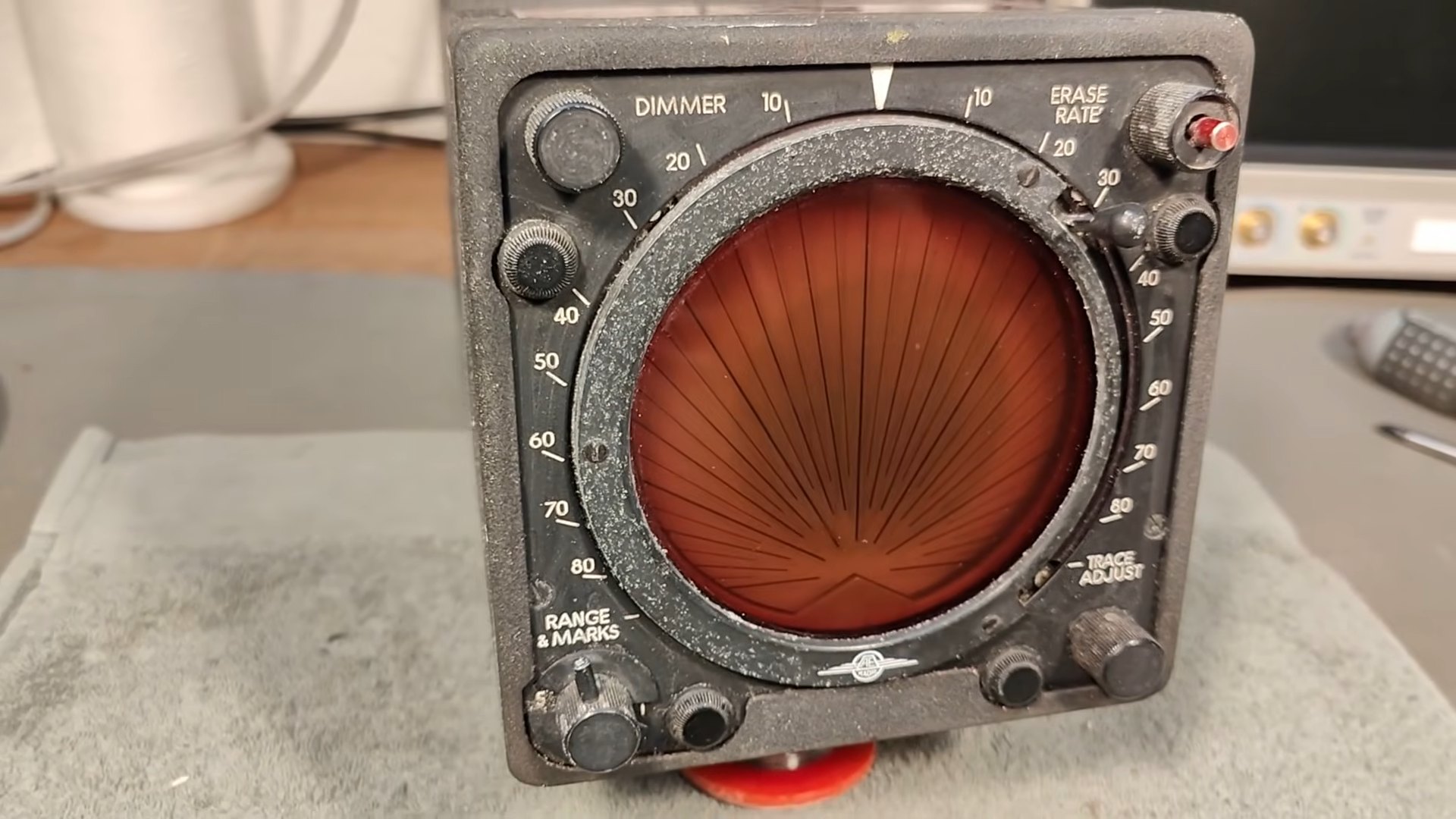
Onboard weather radar systems are crucial for pilots navigating the skies, providing vital information about potential hazards such as turbulence, heavy rain, and other adverse weather conditions. These systems allow flight crews to anticipate and avoid dangerous weather phenomena, thereby enhancing the safety of passengers and crew. The technology enables proactive flight path adjustments, helping to ensure a smoother and more secure journey. By detecting precipitation intensity and storm cell structure, weather radar plays a key role in flight planning and real-time decision-making. Its presence in modern aircraft underscores the aviation industry's commitment to mitigating weather-related risks. The continuous development of these avionics aims to improve detection capabilities and provide even more precise weather data to pilots. Ultimately, weather radar is an indispensable component of aviation safety, contributing significantly to the reliable operation of air travel.
Weather radar avionics represent a critical technological layer in aviation safety, enabling proactive risk management against atmospheric hazards. The continuous investment in and refinement of these systems highlight the industry's systemic approach to mitigating environmental uncertainties. As aviation faces future challenges, including increasingly complex weather patterns potentially linked to climate change, the robustness and predictive accuracy of such onboard systems will become even more paramount. Future developments may focus on integrating AI for enhanced pattern recognition and predictive forecasting, further optimizing flight paths and safety margins.
AI-generated to prompt reflection — not editorial opinion, not advice, not a statement of fact. How this works.
