Aiuaba, Ceará Records Lowest Temperature of the Year at 13.3°C
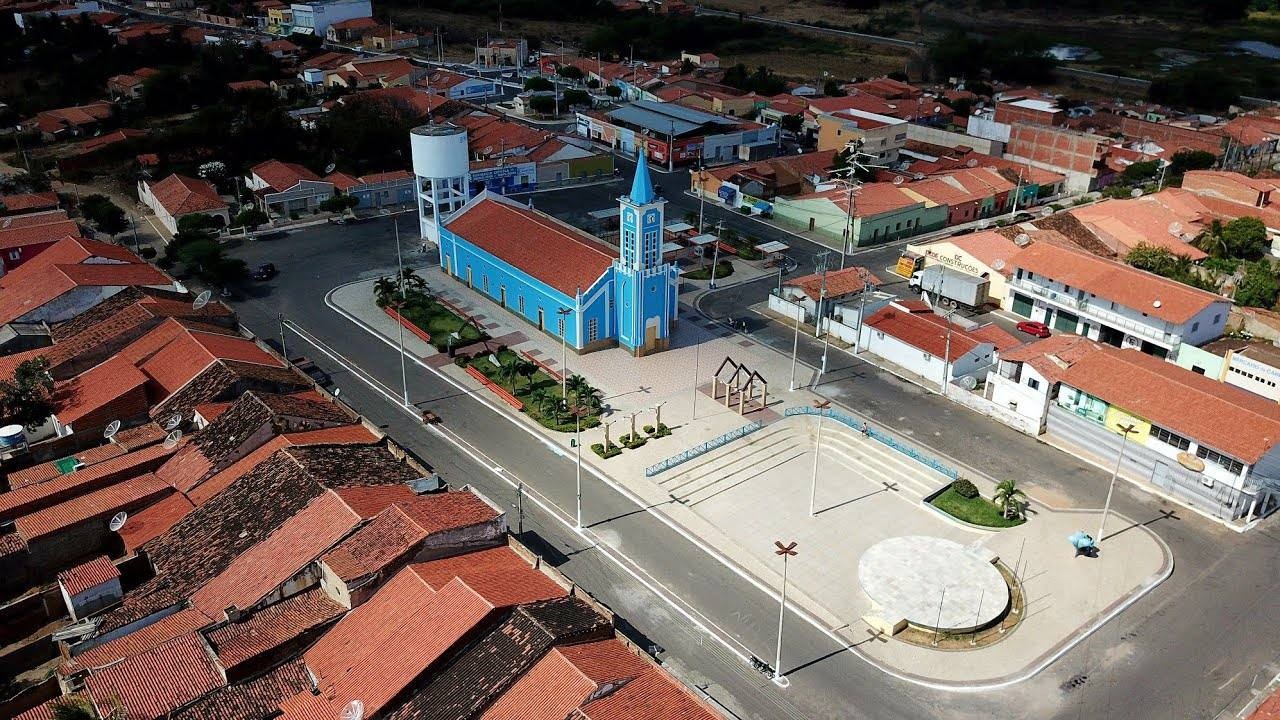
The municipality of Aiuaba, located in the interior of Ceará, Brazil, recorded its lowest temperature of the year on Thursday morning (30th), with thermometers dropping to 13.3°C. This reading surpasses the previous low of 13.7°C registered on July 7th of the same year. Aiuaba is known for experiencing cooler temperatures during this period, with the municipality having previously recorded the all-time lowest temperature in Ceará's history at 11.4°C in 2024.
According to the Ceará Foundation for Meteorology and Water Resources (Funceme), Aiuaba's higher altitude compared to its surroundings naturally contributes to lower temperatures. The recent cold spell is attributed to prevailing clear skies with little to no cloud cover during the early morning hours, low air humidity near the surface, and light winds. These atmospheric conditions facilitate efficient heat loss from the ground through infrared radiation, a process known as radiative cooling.
Funceme further explained that this rapid surface cooling causes the air in contact with the ground to also cool, creating a surface thermal inversion where colder air is concentrated in the lower atmospheric layers. This phenomenon is amplified in elevated terrain, leading to lower minimum temperatures in the early morning. The recorded temperature occurred during the Southern Hemisphere's winter, a season characterized by longer nights that promote surface cooling. While Ceará does not typically experience widespread intense cold, this time of year can bring lower minimum temperatures, particularly in higher-altitude areas with atmospheric conditions conducive to nighttime cooling.
The meteorological event in Aiuaba highlights the interplay of geographical elevation and atmospheric conditions in influencing local climate extremes. While the current temperature reading is a record for the year, it is important to contextualize it within historical data and seasonal patterns, such as the Southern Hemisphere's winter. The explanation provided by Funceme focuses on radiative cooling and thermal inversion, standard meteorological phenomena. From a systems perspective, understanding these microclimatic variations is crucial for regional planning, including agriculture and energy consumption, especially as climate change may alter the frequency and intensity of such events. Future analysis could explore the long-term trends in minimum temperatures for high-altitude regions within Ceará and their potential implications for local ecosystems and human activities.
AI-generated to prompt reflection — not editorial opinion, not advice, not a statement of fact. How this works.