AJK Assembly Adopts Resolutions Condemning Ministers' Remarks and Backing Truth Commission
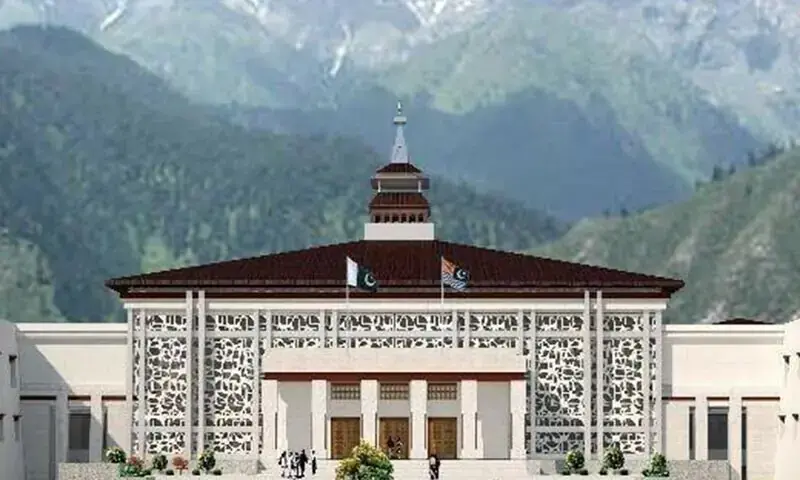
The Azad Jammu and Kashmir (AJK) Legislative Assembly has unanimously passed two resolutions addressing recent unrest in Rawalakot and surrounding areas. The first resolution condemns "irresponsible" statements made by federal ministers regarding the crisis, specifically criticizing Defence Minister Khawaja Asif for remarks perceived as disrespectful to the people of Rawalakot. This resolution emphasizes the historical significance of the region and its people to Pakistan, arguing that such statements exacerbated public sentiment and negatively impacted residents, the diaspora, and the broader Kashmiri community. It also calls for the implementation of a proposed Truth and Reconciliation Commission to investigate the violence and facilitate a negotiated settlement. The assembly urged that no further action be taken in Rawalakot until this commission is established, and called for fair elections, demanding that irregularities in the Mirpur division polls be addressed.
The second, more detailed resolution, reaffirmed the assembly's commitment to constitutional principles, democracy, and the rule of law, while condemning violence and unlawful means of political struggle. It paid tribute to security forces and law enforcement personnel who lost their lives and expressed sympathy for victims of the unrest. The resolution stated that while peaceful protest and freedom of expression are democratic rights, violence and vandalism are unacceptable. It called for individual responsibility to be determined through transparent investigations and due legal process, urging authorities to act against armed elements without discrimination. The assembly supported the establishment of an independent Truth and Reconciliation Commission to examine the crisis's causes, deaths, injuries, and property losses, proposing joint endorsement of its terms by the federal government and protesters. The commission would not determine guilt but could refer matters for further action, with its findings made public and potentially recommending relief and reforms. The resolution also stressed the importance of dialogue to address legitimate political, economic, and social demands, asserting that political disputes should be resolved through negotiation and legal issues through courts.
The AJK Legislative Assembly's unanimous adoption of these resolutions signals an attempt to de-escalate tensions and establish a framework for addressing grievances following recent unrest and contentious elections. By condemning federal ministerial remarks and proposing a Truth and Reconciliation Commission, the assembly seeks to assert regional autonomy and provide a platform for accountability and healing, potentially mitigating further instability. The emphasis on constitutional governance and due process, while condemning violence, reflects a balancing act between acknowledging public frustration and maintaining state authority. The proposed commission's mandate to investigate without determining criminal guilt suggests a focus on restorative justice and systemic reform rather than punitive measures, aiming to build trust and prevent future recurrences. The success of these resolutions will hinge on the willingness of federal and regional authorities to jointly endorse and implement the commission's establishment and terms of reference, alongside a commitment to addressing underlying political and economic demands through dialogue.
AI-generated to prompt reflection — not editorial opinion, not advice, not a statement of fact. How this works.