AJK Police Accuse JAAC of Agenda, Claim Seizure of Sophisticated Weapons
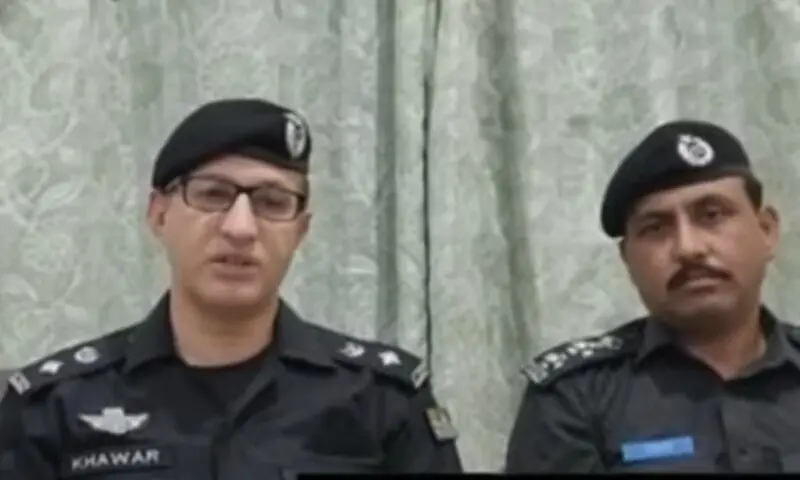
Azad Jammu and Kashmir (AJK) Police have accused the proscribed Joint Awami Action Committee (JAAC) of operating under a hidden agenda, following the seizure of sophisticated weapons from arrested suspects. Senior Superintendent of Police (SSP) Khawar Ali Shaukat stated at a press conference on Wednesday that recent violent incidents in Rawalakot contradicted the JAAC's claims of peaceful protest. He alleged that armed groups ambushed and attacked security forces with advanced weaponry, resulting in the martyrdom of one Rangers official and injuries to approximately 15 police and law enforcement personnel. SSP Shaukat asserted that these actions demonstrate the organization's intent to disrupt peace, damage social cohesion, and undermine brotherhood in AJK. He further claimed that the recovered arms, including an American automatic weapon, indicated a motive beyond ordinary activism. The police stated that law enforcement exercised restraint and only retaliated when attacked. These remarks follow clashes in Rawalakot and Mirpur, where the JAAC has been protesting for weeks, demanding the abolition of 12 legislative seats reserved for refugees from Indian-held Kashmir. The government has accused external elements of funding the unrest, while the JAAC claims dozens of its supporters were killed, a claim unconfirmed by officials.
The AJK Police's accusations against the JAAC highlight a common dynamic where protests against government policies can escalate into confrontations involving security forces. The police's emphasis on seized weapons and alleged 'agenda' frames the JAAC's actions as externally manipulated and violent, aiming to delegitimize their grievances. This narrative serves to justify law enforcement's response and potentially deter future organized dissent. Conversely, the JAAC's claims of casualties and peaceful intentions portray the state as the aggressor. The conflicting narratives underscore the challenge of discerning objective truth amidst political tensions and information control. Future stability in AJK may depend on addressing the root causes of the JAAC's demands, such as the representation of Kashmiri refugees, and establishing transparent mechanisms for dialogue and accountability for all parties involved in the conflict.
AI-generated to prompt reflection — not editorial opinion, not advice, not a statement of fact. How this works.