AJK Sees Protests, Clashes Amid JAAC Strike; Internet Blackout Continues
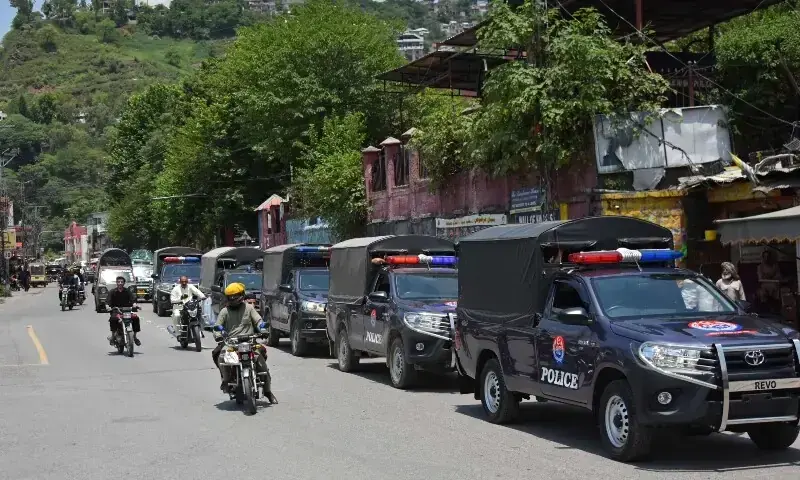
Azad Jammu and Kashmir (AJK) experienced a widespread shutter-down strike and demonstrations on Sunday, organized by the proscribed Joint Awami Action Committee (JAAC). Clashes between protesters and law enforcement were reported in several areas, notably in Mirpur district, resulting in approximately a dozen injuries, including some to police officers. Reports of casualties were unverified. The internet suspension in AJK has now entered its 30th consecutive day. In Mirpur's Dadyal, initial clashes led to injuries, with further confrontations occurring later. Mirpur Divisional Headquarters Hospital received four injured individuals, two in critical condition. While protests in other parts of Mirpur district, such as Khaliqabad, Islamgarh, and Chakswari, were peaceful, demonstrations in Bhimber's Samahni valley also proceeded without incident. However, in Choki, some demonstrators allegedly assaulted local journalists and damaged property. In Muzaffarabad, markets were largely closed and public transport was off the roads, with limited private vehicle movement due to fuel shortages. Police conducted flag marches, but clashes erupted at Airport Chowk where tear gas was used to disperse protesters, leading to the detention of seven individuals. Footage showed damaged motorcycles and furniture, with residents later protesting the alleged excessive force. The JAAC's core demands include the abolition of 12 Legislative Assembly seats reserved for refugees from Indian-occupied Jammu and Kashmir who settled in Pakistan after 1947, a demand amplified ahead of the July 27 elections. The JAAC was declared a proscribed organization on June 5 and subsequently faced a crackdown, with many activists placed on the Fourth Schedule of the anti-terrorism act.
The events in AJK highlight a significant governance challenge involving the representation of displaced populations and the management of public dissent. The JAAC's demands, particularly concerning reserved legislative seats for refugees, intersect with electoral processes and long-standing political sensitivities. The government's designation of the JAAC as a proscribed organization and subsequent actions, such as arrests and internet shutdowns, suggest a strategy of containment that may inadvertently escalate tensions. The prolonged internet blackout impedes information flow and civic engagement, potentially fueling further distrust. Moving forward, addressing the core grievances through transparent dialogue and exploring mechanisms for inclusive representation, rather than solely relying on security measures, could foster a more stable environment. The upcoming elections provide a critical juncture for either exacerbating or de-escalating these underlying political dynamics.
AI-generated to prompt reflection — not editorial opinion, not advice, not a statement of fact. How this works.