Akhilesh Yadav Criticizes Bulldozer Action at Jauhar University
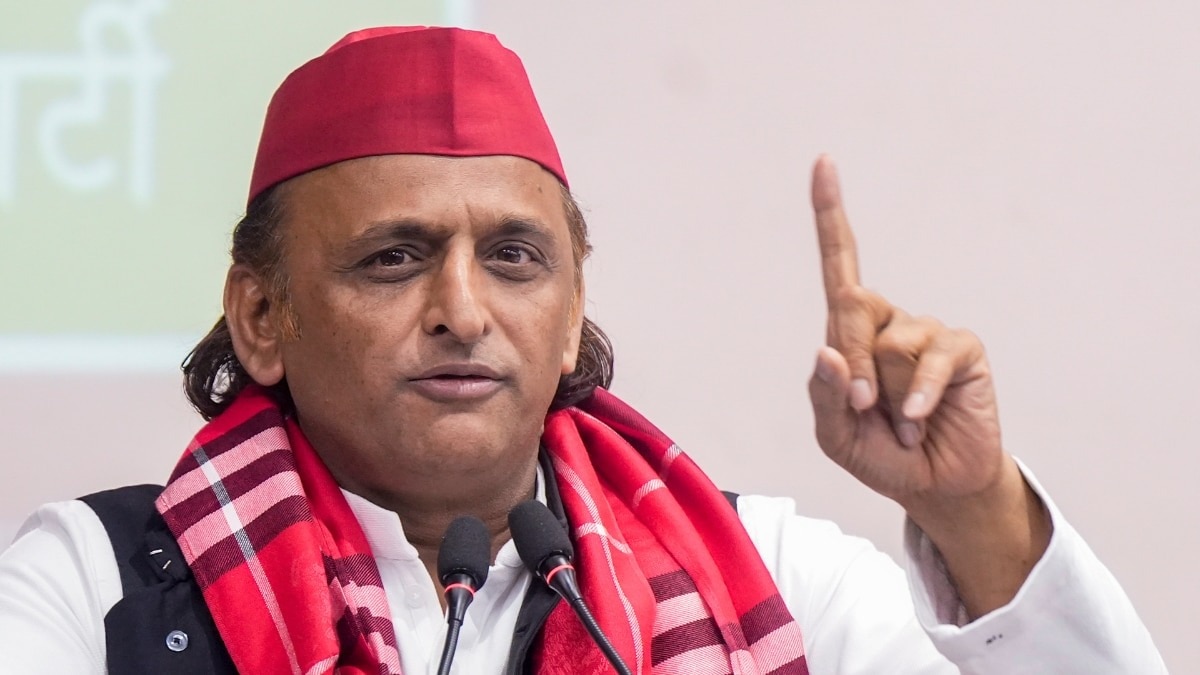
Samajwadi Party chief Akhilesh Yadav has strongly condemned the recent bulldozer action at Jauhar University, describing it as an attack on the dreams of children. The university, founded by senior Samajwadi Party leader Azam Khan, has been the subject of controversy and legal scrutiny. Yadav's statement highlights the political tension surrounding the actions taken against the institution. He implied that such measures are politically motivated and aimed at suppressing educational institutions associated with opposition figures. The demolition or partial demolition, carried out by authorities, has drawn sharp criticism from Yadav and his party, who view it as an act of vendetta. The situation at Jauhar University underscores the broader political climate in Uttar Pradesh, where administrative actions against perceived opponents have become a recurring theme. Yadav urged for a halt to such destructive practices, emphasizing the long-term impact on students and the educational landscape. The Samajwadi Party has vowed to support Azam Khan and the university in their legal and political battles.
The incident at Jauhar University, characterized by bulldozer action and subsequent political commentary, highlights the intersection of administrative power, legal processes, and political maneuvering in India. From an analytical perspective, such actions can be viewed through the lens of governance and enforcement, where authorities are tasked with upholding laws and regulations. However, the strong political reactions suggest that these actions are also perceived as tools for political leverage or retribution, potentially impacting institutional autonomy and the educational sector. The framing of the event as an attack on 'children's dreams' by Akhilesh Yadav politicizes the administrative decision, raising questions about the balance between accountability and the potential for politically motivated actions to disrupt educational infrastructure. Future governance models may need to address mechanisms that ensure transparency and impartiality in administrative enforcement, mitigating the risk of such actions being perceived as politically driven, thereby fostering a more stable environment for educational institutions.
AI-generated to prompt reflection — not editorial opinion, not advice, not a statement of fact. How this works.