Akhilesh Yadav criticizes JP Nadda over NEET-UG paper leak response
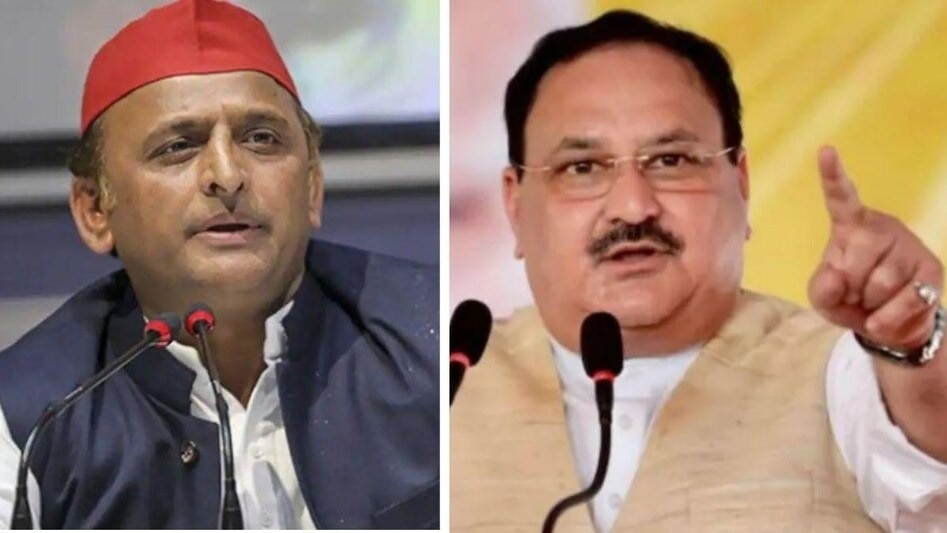
Following a press conference by JP Nadda regarding the NEET-UG paper leak, Samajwadi Party chief Akhilesh Yadav launched a sharp counter-attack. Yadav questioned the government's seriousness in addressing the issue. He pointed out that while the matter pertains to the education department, the response was provided by a different minister. This, according to Yadav, suggests a lack of direct accountability and a potential attempt to distance key figures from the controversy. The Samajwadi Party leader implied that the government's handling of the situation lacks transparency and a clear chain of command. Yadav's remarks highlight concerns about the integrity of the examination process and the government's commitment to resolving the crisis effectively. He emphasized that the public expects clear answers and decisive action from the minister directly responsible for the education portfolio.
The political exchange surrounding the NEET-UG paper leak highlights a common governance challenge: the attribution of responsibility and the communication of accountability, particularly within large ministries. When a scandal emerges, the public often expects a direct response from the minister overseeing the relevant department. If a different minister addresses the issue, it can create an impression of evasion or a lack of clear ownership, potentially eroding public trust. This dynamic can be influenced by internal government structures, political strategy, or an effort to manage public perception. The situation prompts consideration of how governmental bodies can ensure clear lines of communication and accountability to maintain public confidence during crises, especially as educational systems become increasingly critical infrastructure in the digital age.
AI-generated to prompt reflection — not editorial opinion, not advice, not a statement of fact. How this works.