Akhilesh Yadav Reverses Stance on Women's Reservation and Delimitation Bill
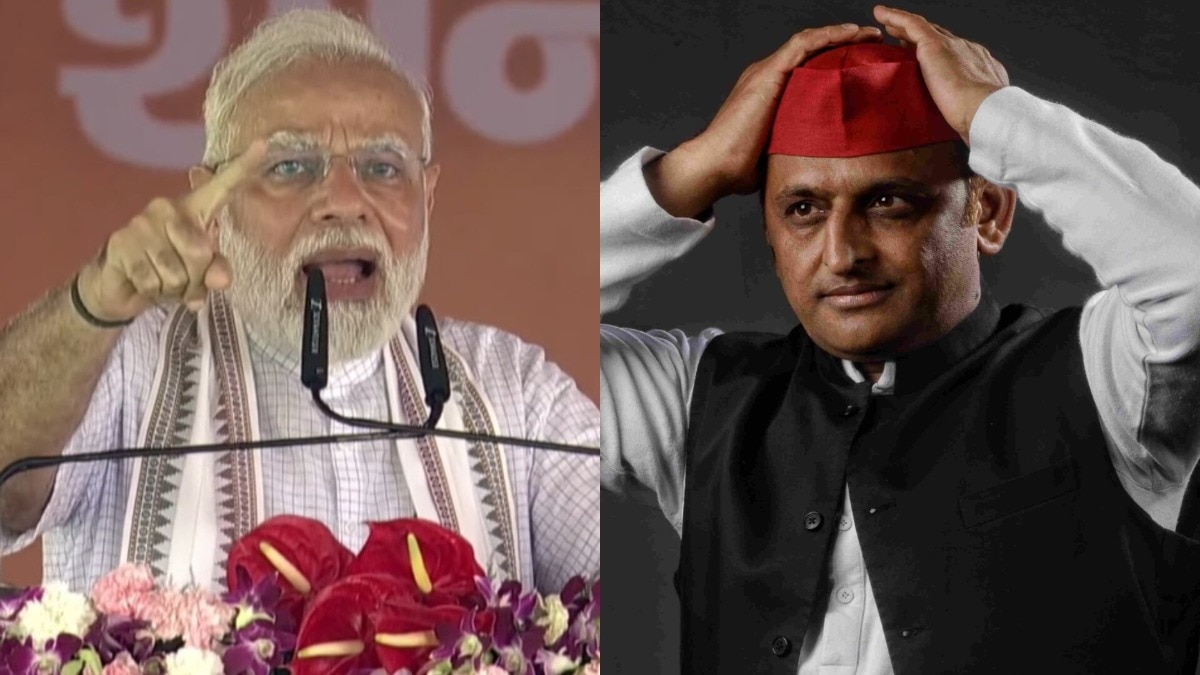
In the midst of political heat surrounding the Uttar Pradesh assembly elections, Samajwadi Party (SP) chief Akhilesh Yadav has called for the implementation of women's reservation and an increase in seats in the upper house through a delimitation bill. Yadav made these remarks following meetings with women's organizations. This development raises questions about why Yadav has taken a U-turn on the issues of women's reservation and the delimitation bill after a period of three months. Previously, Prime Minister Narendra Modi had referred to Yadav as a friend, but this shift in stance on significant policy matters suggests a strategic realignment or a response to evolving political dynamics. The Samajwadi Party's demand for increased representation for women and the proposed changes through delimitation indicate a focus on demographic and gender-based political engagement. The timing of these demands, close to the elections, suggests a potential electoral strategy aimed at appealing to a broader base of voters. The article implies a change in Yadav's position, prompting scrutiny of the motivations behind this apparent reversal.
The Samajwadi Party's call for women's reservation and increased seats via delimitation, particularly in the lead-up to elections, highlights a common political tactic of addressing demographic concerns to broaden electoral appeal. This move can be interpreted through the lens of evolving governance models, where parties seek to align policy proposals with perceived societal shifts and voter priorities. The juxtaposition with Prime Minister Modi's past friendly remarks towards Akhilesh Yadav suggests a dynamic interplay of political alliances and strategic positioning within India's federal structure. Examining this shift requires considering the long-term implications for gender representation in Indian politics and the potential impact of delimitation on electoral outcomes, rather than solely focusing on immediate political maneuvering.
AI-generated to prompt reflection — not editorial opinion, not advice, not a statement of fact. How this works.