Akka Mahadevi: 12th Century Mystic Poet Who Challenged Social Norms Through Radical Freedom
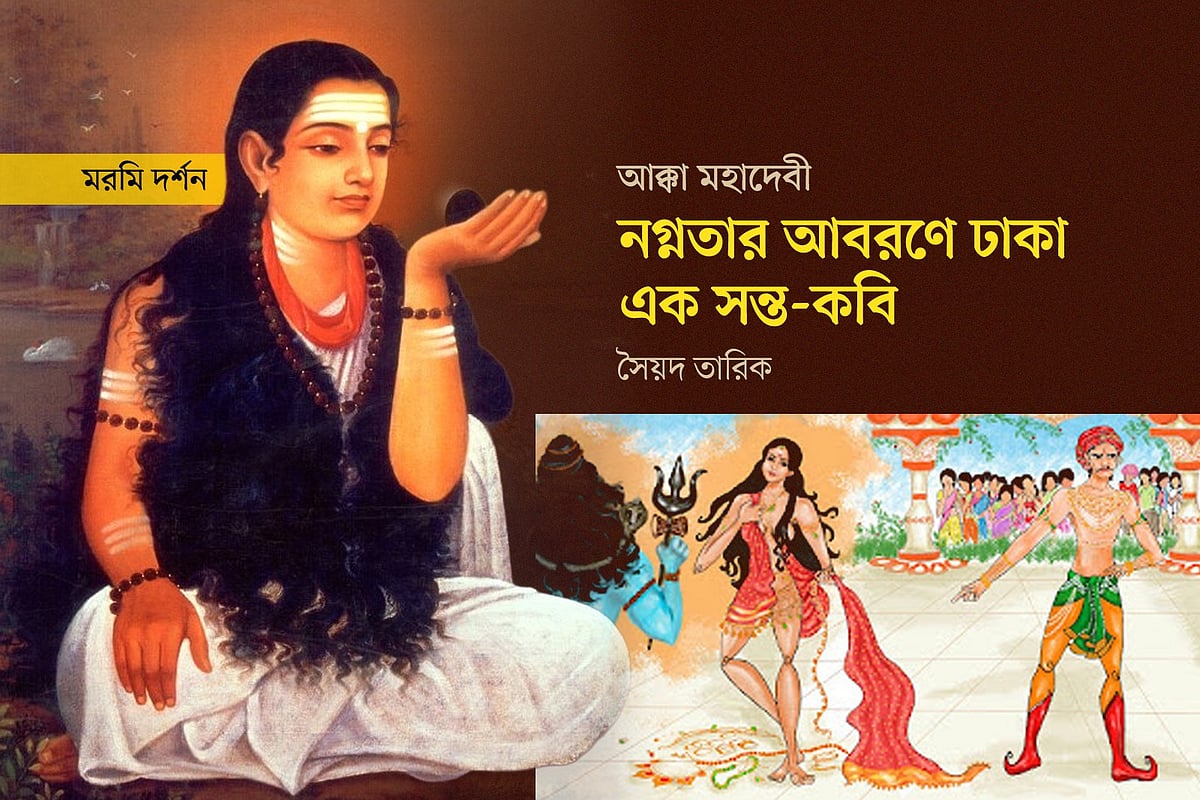
Akka Mahadevi was a legendary poet-saint from 12th-century Karnataka and a prominent figure in the South Indian Bhakti movement. She is celebrated for her unique blend of transcendental love, mystical rebellion, and spiritual freedom, challenging established social and religious structures. Her life, philosophy, and poetry continue to inspire, marking her as a revolutionary female saint within the Virashaiva or Lingayat community.
Born around 1120-1130 CE in Karnataka to a devout Shaivite Brahmin family, Akka Mahadevi developed an intense devotion to Lord Shiva, whom she identified as 'Chennamallikarjuna.' She embraced the Virashaiva movement, a reformist and egalitarian challenge to Vedic Brahmanism. After a forced marriage to a local Jain king, she renounced worldly life, famously leaving her home naked, symbolizing complete liberation from societal constraints and shame. She wandered Karnataka, covering herself only with her long hair, facing both criticism and reverence.
Akka Mahadevi participated in the 'Anubhava Mantapa,' a spiritual discussion center founded by Basavanna, where she engaged with prominent saints like Allam Prabhu. Her assertion that 'Chennamallikarjuna' was her sole husband led to her philosophical acceptance and the title 'Akka' (elder sister). She composed her 'Vachana' poems there, expressing profound spiritual insights. She later retreated to the forests near Srisailam, reportedly achieving spiritual union with Chennamallikarjuna around 1160 CE. Her legacy as Kannada literature's first major female poet and mystic continues to resonate, embodying courage, spiritual fortitude, and female independence.
The narrative of Akka Mahadevi highlights a historical tension between individual spiritual pursuit and societal norms, particularly concerning female autonomy. Her radical act of renunciation and public nudity, while presented as a symbol of liberation from worldly attachments and patriarchal control, also functioned as a powerful critique of the prevailing social and religious structures of 12th-century India. Analyzing this through a contemporary lens, her story prompts reflection on how societal expectations and religious doctrines can constrain personal freedom, and how acts of defiance, even those rooted in profound spirituality, can challenge established power dynamics. The enduring inspiration drawn from her life suggests a persistent human aspiration for authenticity and self-determination, even when such aspirations necessitate a departure from conventional paths. Her legacy underscores the potential for individual conviction to reshape cultural narratives and inspire future generations to question societal limitations.
AI-generated to prompt reflection — not editorial opinion, not advice, not a statement of fact. How this works.