AKP Spokesperson Omer Celik Reiterates Claims on Western Thrace Turks and Aegean Division
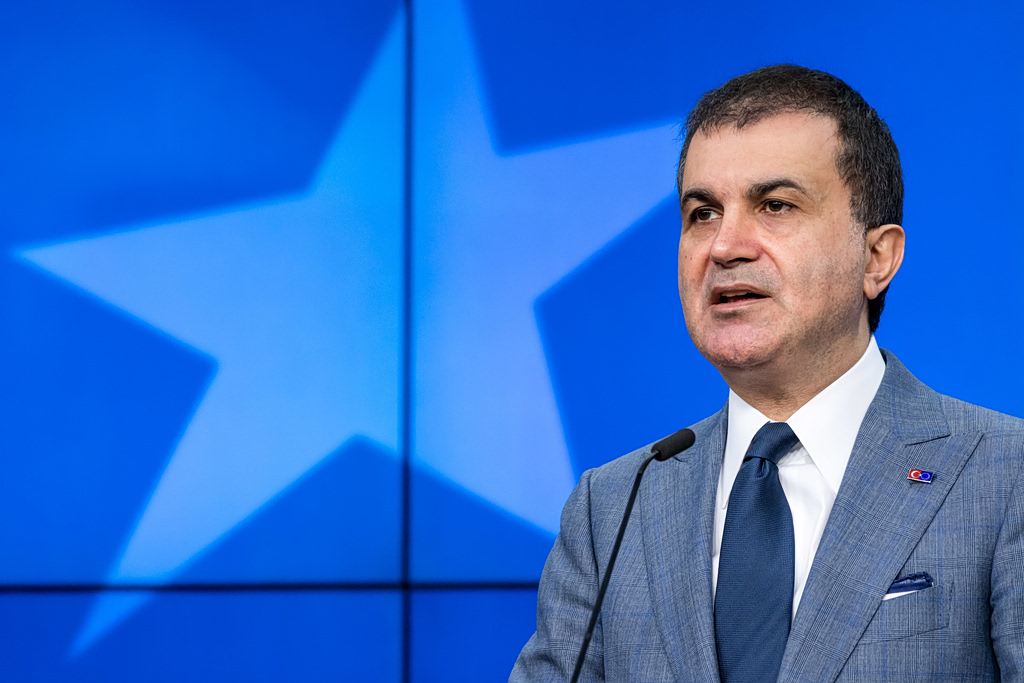
AKP spokesperson Omer Celik has launched a verbal attack against Greece and the European Union, accusing them of mistreating the Muslim minority in Thrace. Celik reiterated his party's long-standing claims regarding the existence of a "Turkish minority" in Western Thrace, a designation Greece disputes. He also revived the contentious issue of "sharing the Aegean Sea," suggesting a potential division of the maritime space. These statements were made during a press conference, where Celik presented the AKP's views on foreign policy and regional issues. The rhetoric employed by Celik continues a pattern of assertive foreign policy statements from Turkey concerning its neighbors and regional disputes. The Greek government has consistently rejected Turkey's characterization of the Muslim minority in Thrace and its claims regarding the Aegean. The European Union has also been a target of Celik's criticism, implying a lack of sufficient action or support for Turkey's positions.
Omer Celik's statements reflect a recurring pattern of Turkish nationalist rhetoric aimed at challenging Greek sovereignty and international agreements concerning the Aegean and minority rights. By framing the issue as "mistreatment" of a "Turkish minority," Celik seeks to internationalize a bilateral dispute and create leverage within the EU framework. This approach leverages historical narratives and irredentist claims to exert pressure on Greece and the EU. The strategy appears designed to provoke a reaction and shift the discourse, potentially influencing future negotiations or public opinion. The underlying incentive for such rhetoric may be to consolidate domestic support, project regional power, and test the resolve of international partners. The long-term implications involve continued geopolitical tension and a potential impediment to constructive dialogue and cooperation in the Eastern Mediterranean.
AI-generated to prompt reflection — not editorial opinion, not advice, not a statement of fact. How this works.