Al-Nino Returns: Scientists Detect 14,500km 'Monster Wave' in Pacific
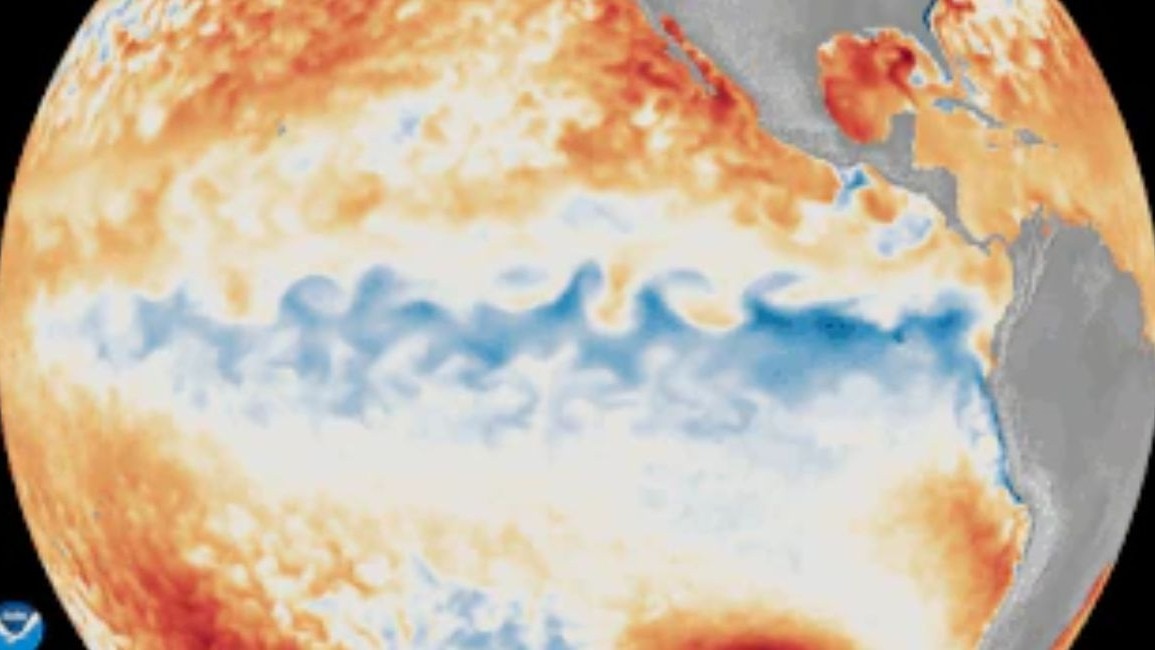
A massive warm water wave, stretching approximately 14,500 kilometers across the Pacific Ocean, has raised concerns among scientists. NASA satellites recorded this significant oceanic change, prompting the U.S. weather agency NOAA to confirm the return of El-Nino. This phenomenon is expected to impact weather patterns in numerous countries worldwide, including India. The detection of such a large-scale oceanic anomaly highlights the complex and interconnected nature of global climate systems. Researchers are closely monitoring the situation to understand the full extent of El-Nino's influence and its potential consequences on regional and global weather. The confirmation by NOAA underscores the agency's role in tracking and predicting major climate events. The scale of the recorded wave suggests a substantial disruption to normal oceanographic conditions, which could have far-reaching effects.
The detection of a 14,500 km warm water wave in the Pacific, confirmed by NOAA and observed by NASA, signifies a substantial shift in oceanic conditions, likely linked to the return of El-Nino. This event underscores the sensitivity of global climate to oceanic temperature fluctuations and highlights the critical role of satellite monitoring in understanding these large-scale phenomena. The potential for widespread weather impacts necessitates robust international climate modeling and early warning systems. Future climate strategies will need to account for the increasing frequency and intensity of such events, driven by complex atmospheric-oceanic interactions. Understanding the drivers behind these 'monster waves' is crucial for predicting and mitigating their effects on agriculture, water resources, and extreme weather events globally.
AI-generated to prompt reflection — not editorial opinion, not advice, not a statement of fact. How this works.