Alagoas braces for return of rain starting Wednesday, August 15th
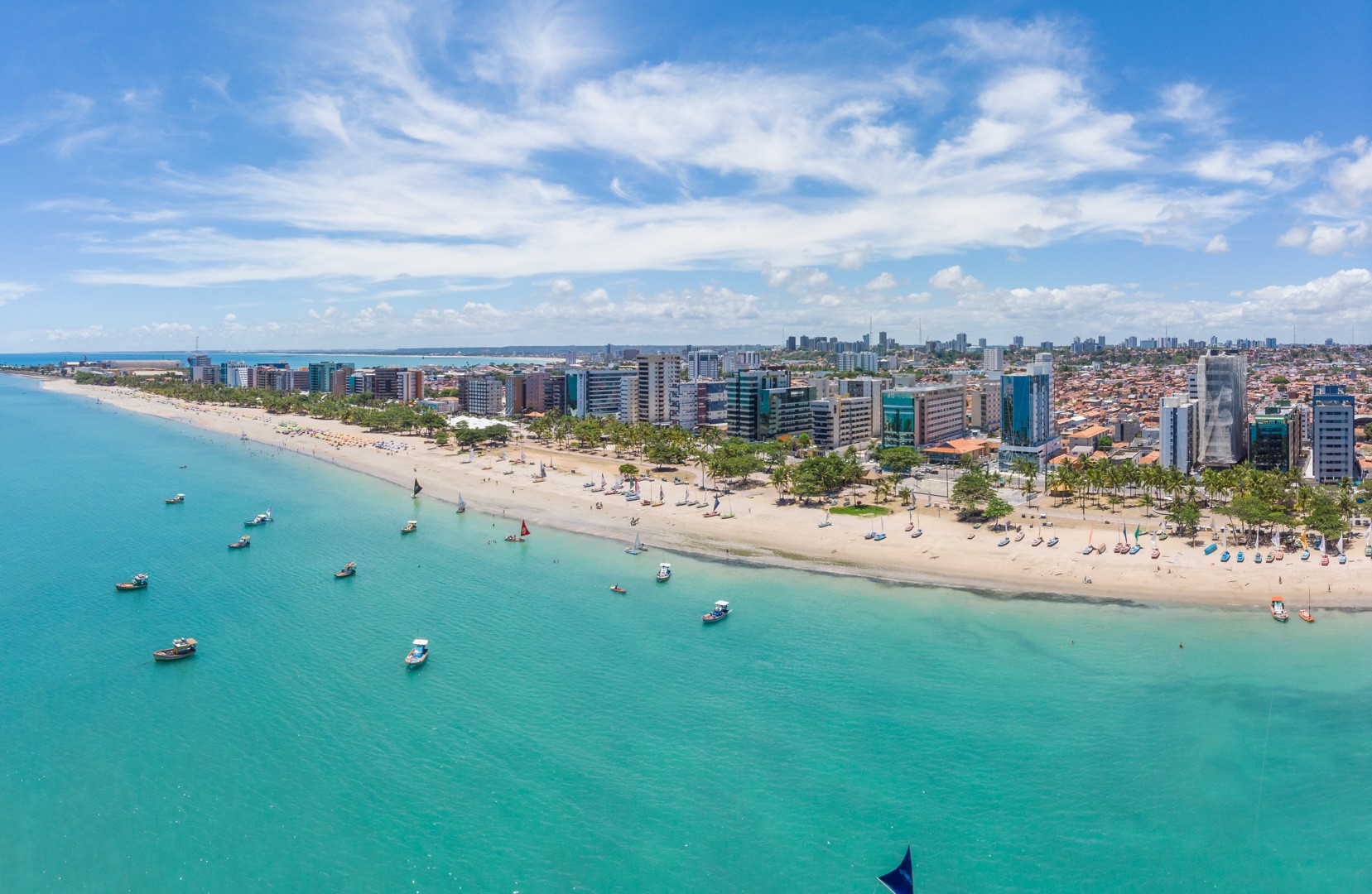
Alagoas is set to experience a return of rainfall beginning Wednesday, August 15th, following a period of dry weather and unseasonably warm temperatures. The change in weather is attributed to a cold front advancing from the south, according to the State Secretariat for Environment and Water Resources (Semarh). The Baixo São Francisco region is expected to receive the highest accumulation on Wednesday. On Thursday, August 16th, rainfall intensity will increase across the Litoral, Zona da Mata, and Região Metropolitana, with Maceió potentially recording up to 50 millimeters. Meteorologist Bárbara Alves of Semarh stated that the rain is anticipated to be distributed throughout the day. By Friday, August 17th, rainfall volumes are projected to decrease, with drier conditions returning over the weekend. The recent dry and hot spell was linked to the effects of El Niño, which alters wind circulation and favors drier periods in the Northeast, although it does not preclude rainfall events from cold fronts or other meteorological systems. Alagoas remains within its rainy season, which typically lasts until mid-August, and the recent extended dry spell is known as 'veranico'. Temperatures are expected to remain elevated for this time of year, ranging between 22°C and 29°C in the Litoral, Zona da Mata, and Baixo São Francisco, and between 20°C and 32°C in the Agreste, Sertão, and Sertão do São Francisco. A return to predominantly dry weather is forecast for Saturday, August 18th, and Sunday, August 19th.
The forecast indicates a temporary shift in weather patterns in Alagoas, driven by a cold front, offering a brief respite from El Niño-induced dryness. This event highlights the complex interplay between global climate phenomena like El Niño and regional meteorological systems. While El Niño typically suppresses rainfall in Northeast Brazil, its influence is not absolute, demonstrating the need for nuanced forecasting that accounts for multiple atmospheric drivers. The state's adherence to its traditional rainy season, even amidst El Niño, underscores the importance of understanding localized climate variability and the potential for 'veranico' periods. Future climate projections will be crucial for assessing how the frequency and intensity of such events might evolve under changing global conditions, impacting agricultural planning and water resource management in the region.
AI-generated to prompt reflection — not editorial opinion, not advice, not a statement of fact. How this works.