Alagoas Election Profile: 2.4 Million Voters, Women Lead Electorate
Alagoas state is preparing for the October elections with 2,441,794 eligible voters, according to data released by the Superior Electoral Court (TSE) on Monday, May 20th. This figure represents a slight decrease of 1,100 voters compared to 2024. The capital city, Maceió, boasts the largest electorate with 644,011 voters, followed by Arapiraca with 158,699. At the other end of the spectrum, Pindoba has the smallest electorate, with 2,898 voters. Women constitute the majority of the electorate, numbering 1,305,898 (53%), while men account for 1,135,896 (47%).
Regarding marital status, 68% of voters are single, 27% are married, and the remaining percentages are divorced, widowed, or judicially separated. The largest age group is 25 to 29 years old, comprising 259,319 individuals. Notably, 51,715 young people aged 16 and 17 can vote for the first time, representing 2.12% of the state's voters. Additionally, 187,745 voters over 70 years old are eligible to vote optionally. In terms of education, the most common educational attainment is incomplete primary education, with 580,309 voters (23.77%), followed by complete secondary education (20.92%).
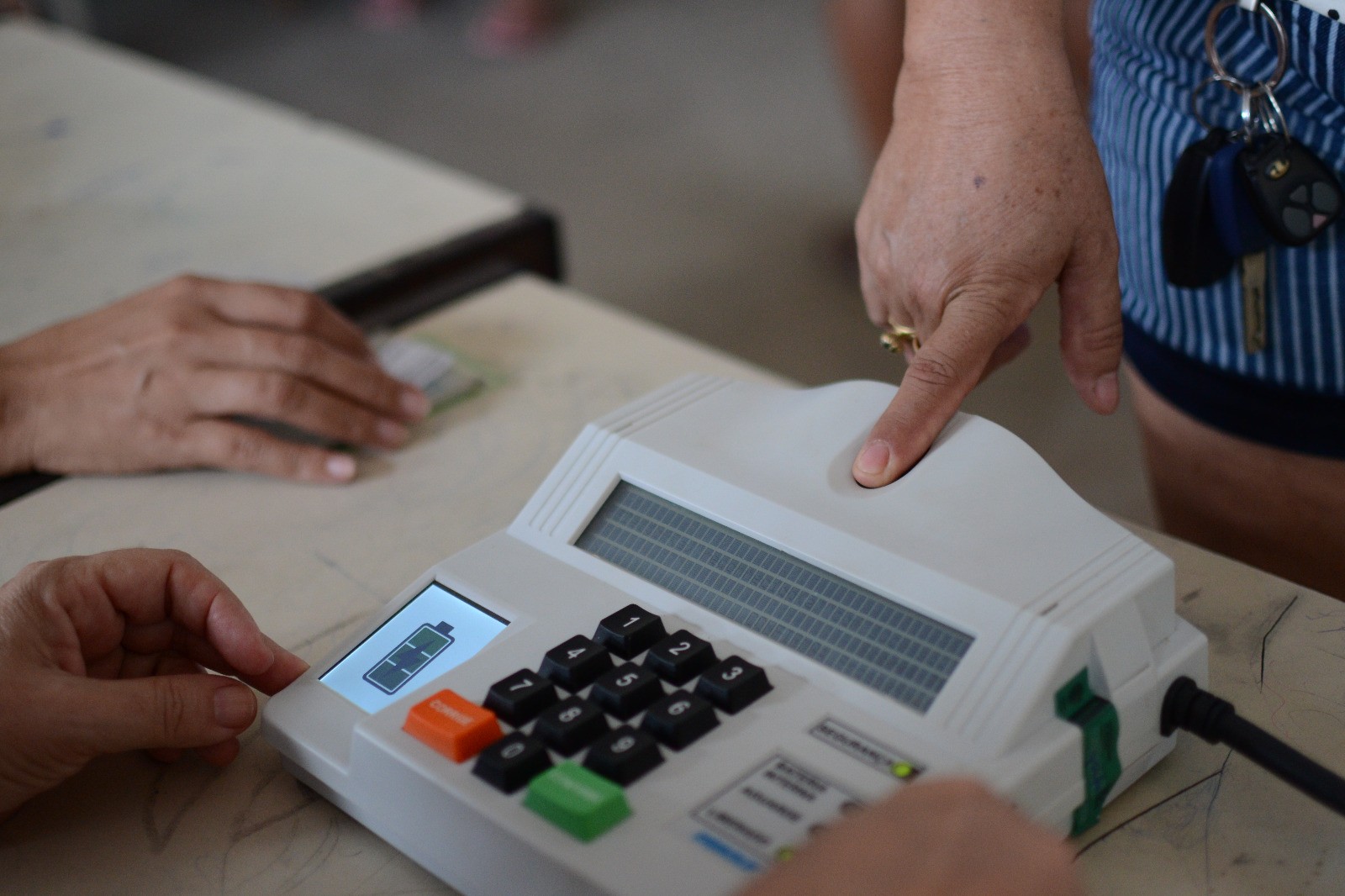
Furthermore, 390 voters will use their social name, and 27,455 voters have reported having some form of disability. Biometric registration has been completed by 2,334,724 voters, or 95.62% of the electorate, while 107,070 voters (4.38%) will vote without biometric registration.
The demographic breakdown of Alagoas's electorate reveals key insights into the state's social fabric and potential voting patterns. The slight decrease in the total number of voters suggests a need to investigate factors influencing voter registration and participation, potentially linked to demographic shifts or electoral process changes. The significant proportion of voters with incomplete primary education highlights ongoing challenges in educational attainment and its potential correlation with civic engagement and access to information. The high percentage of biometric registration indicates a successful effort in modernizing electoral processes and enhancing security, though the remaining unregistered voters represent a segment that may face accessibility barriers or disengagement. Understanding these profiles is crucial for political actors to tailor their outreach and for policymakers to address underlying societal issues.
AI-generated to prompt reflection — not editorial opinion, not advice, not a statement of fact. How this works.