Alagoas Electoral Court Halts 'Busão da Mudança' Over Early Campaigning Concerns
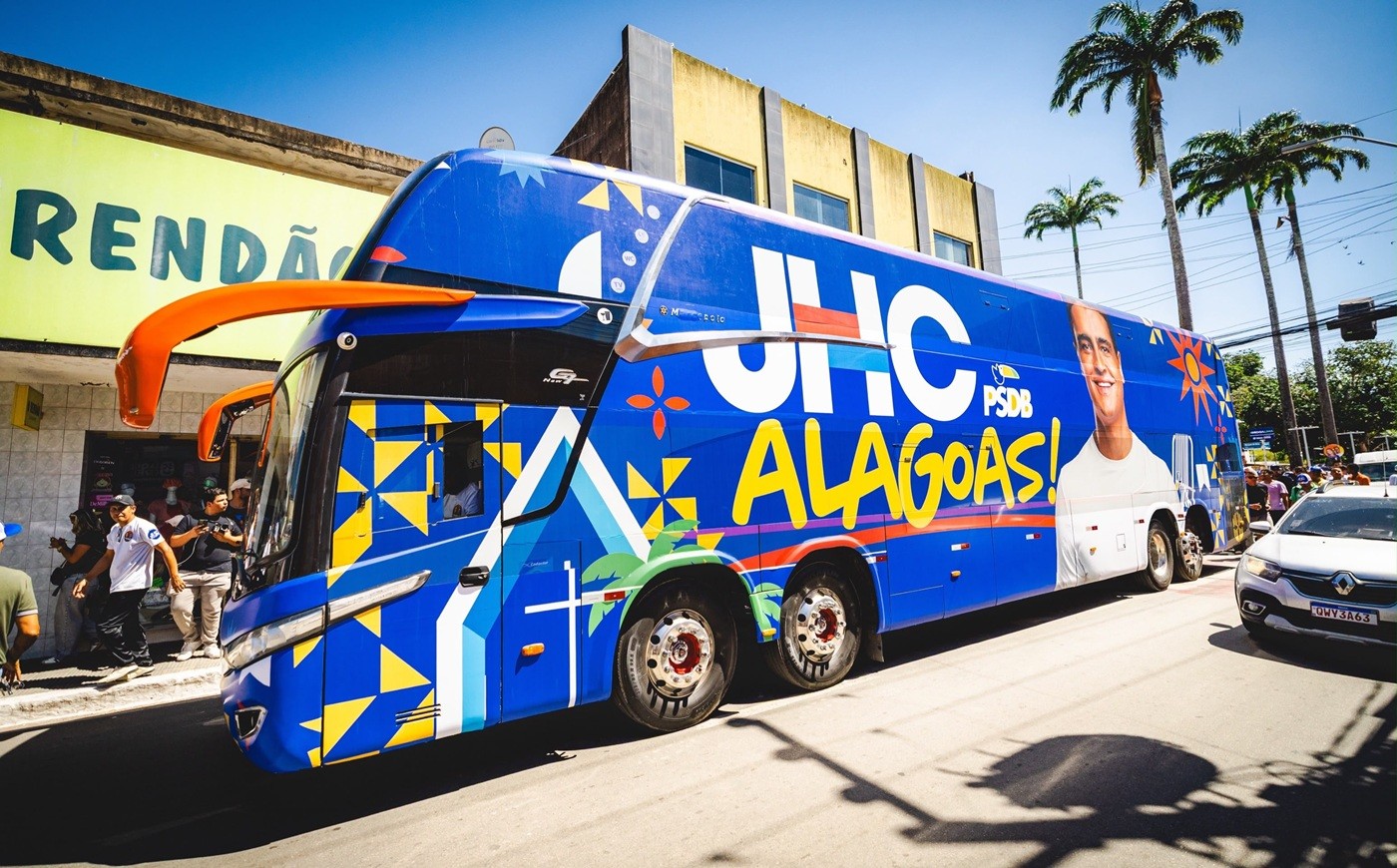
The Regional Electoral Court of Alagoas (TRE-AL) has temporarily prohibited the circulation of a bus used by former Maceió mayor João Henrique Caldas (JHC) due to suspicions of early political campaigning. The bus, nicknamed 'Busão da Mudança' (Bus of Change), was adorned with JHC's visual identity and, according to him, was intended to travel across Alagoas to showcase changes made in Maceió. The decision, issued by electoral judge Rosmar Antonni Rodrigues Cavalcante de Alencar on Wednesday, June 15th, also mandates the removal of a social media post by the former mayor. The judge cited the use of a hashtag in the June 13th post as equivalent to an outdoor advertisement. JHC's office stated they would verify if he would comment on the matter. JHC left the Maceió mayoralty on April 4th to potentially run in the 2026 elections, though his specific candidacy remains unannounced. The PSDB party defended the bus as a tool for public engagement, calling the action a sign of desperation from opponents. The court clarified the bus can resume normal operations once the irregular advertising is removed. The case, representation number 0600380-03.2026.6.02.0000, will proceed to the Electoral Public Ministry for review before a final judgment on whether early campaigning occurred and if sanctions apply. The judge considered JHC's large image, name, party affiliation, territorial reference, and social media promotion as elements indicating political-electoral content, similar to prohibited outdoor advertising. Official election campaigning is permitted from August 16th.
This ruling highlights the ongoing challenge of defining and enforcing boundaries for political communication in the pre-campaign period, particularly with the pervasive influence of social media. The TRE-AL's decision to restrict JHC's 'Busão da Mudança' suggests a judicial interpretation that visual branding and public engagement activities, even if framed as informational, can cross the line into prohibited early campaigning when they strongly evoke electoral intent. This case underscores the tension between legitimate public outreach and the legal framework designed to ensure a level playing field during official election periods. Future electoral strategies may need to more carefully distinguish between civic engagement and overt political messaging to avoid similar legal challenges, especially as candidates leverage diverse platforms to build name recognition and public support well before the official campaign start date.
AI-generated to prompt reflection — not editorial opinion, not advice, not a statement of fact. How this works.