Alagoas State Prosecutor's Office Recommends Dismissal for 17-Year Job Abandonment
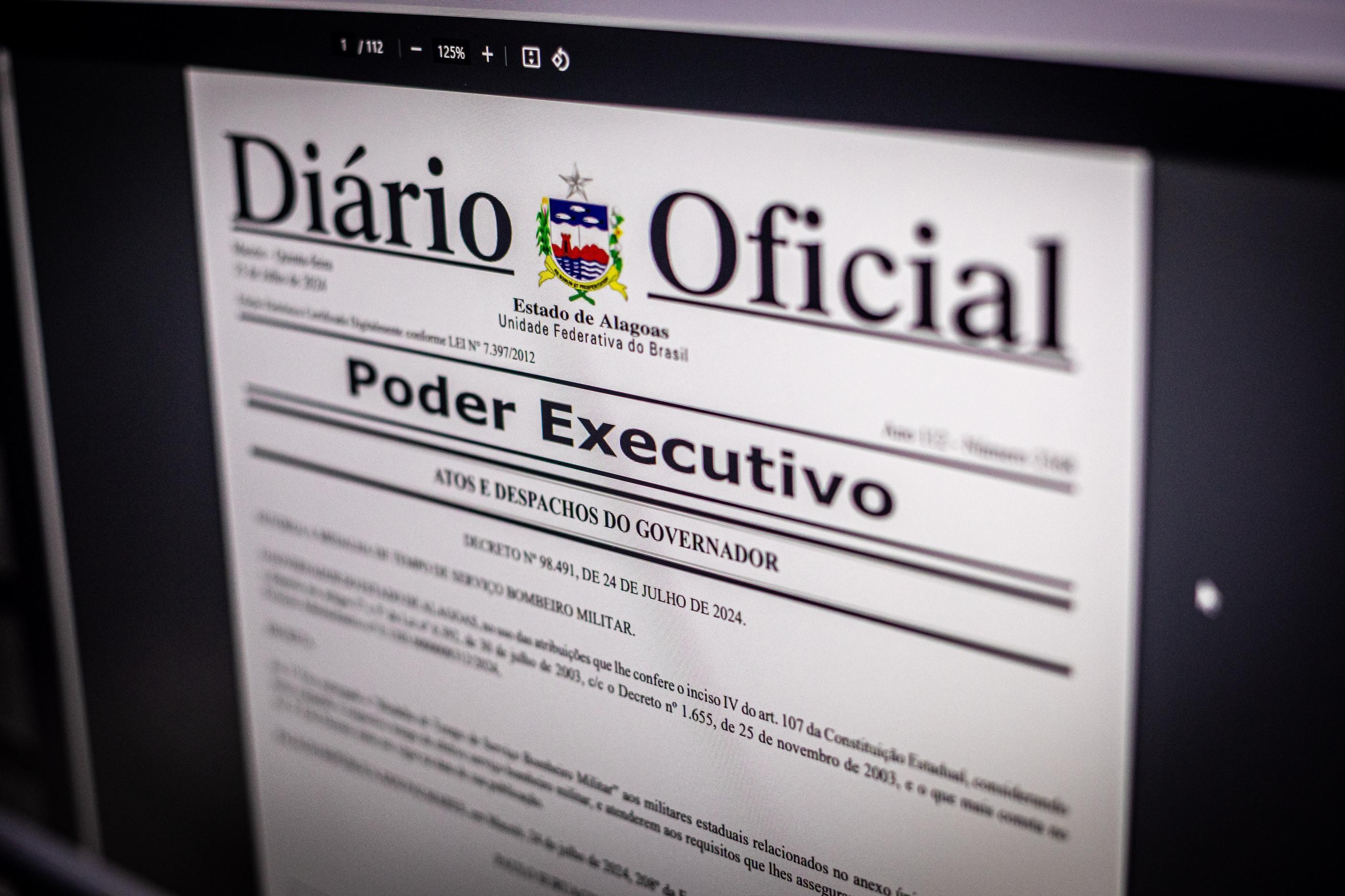
The State Prosecutor's Office (PGE) of Alagoas, Brazil, has recommended the dismissal of a civil servant from the State Secretariat of Education (Seduc) for abandoning her post. The server, identified as Jucielly Ferreira de Sena, an administrative agent, has been absent from work continuously for 17 years and three months. According to the PGE's findings, published in the Official State Gazette, Sena has not performed her duties since March 31, 2009, demonstrating an "animus abandonandi," which signifies a deliberate intent to sever employment ties without justification. This act constitutes grounds for dismissal under state law. The Seduc confirmed that Sena was hired in 2000 and worked for only three months before her prolonged absence. The secretariat also stated that her salary was suspended immediately after she stopped working in 2000, thus preventing any financial burden on public funds. The Seduc initiated the dismissal process and acknowledged that bureaucratic procedures for formalizing the termination have been lengthy. The case has been forwarded to the Secretariat of State Planning, Management, and Heritage (Seplag) for the necessary administrative actions to complete the dismissal. The Seplag is currently investigating whether it has received the decision and if the dismissal has been finalized.
This case highlights a significant bureaucratic delay in processing employee misconduct, specifically job abandonment. While the Seduc acted to suspend salary and eventually initiate dismissal, the 17-year gap between the offense and formal action raises questions about internal oversight mechanisms and the efficiency of public administration processes. The financial impact on the state appears minimal due to salary suspension, but the prolonged administrative inertia represents an inefficient use of public resources and potentially a failure to uphold accountability standards. Future reforms could focus on establishing stricter timelines for investigating and resolving cases of prolonged absenteeism to ensure timely disciplinary action and maintain operational integrity within public institutions.
AI-generated to prompt reflection — not editorial opinion, not advice, not a statement of fact. How this works.