Alagoas Veterinary Blood Bank Faces Critical Shortage of Canine and Feline Donors
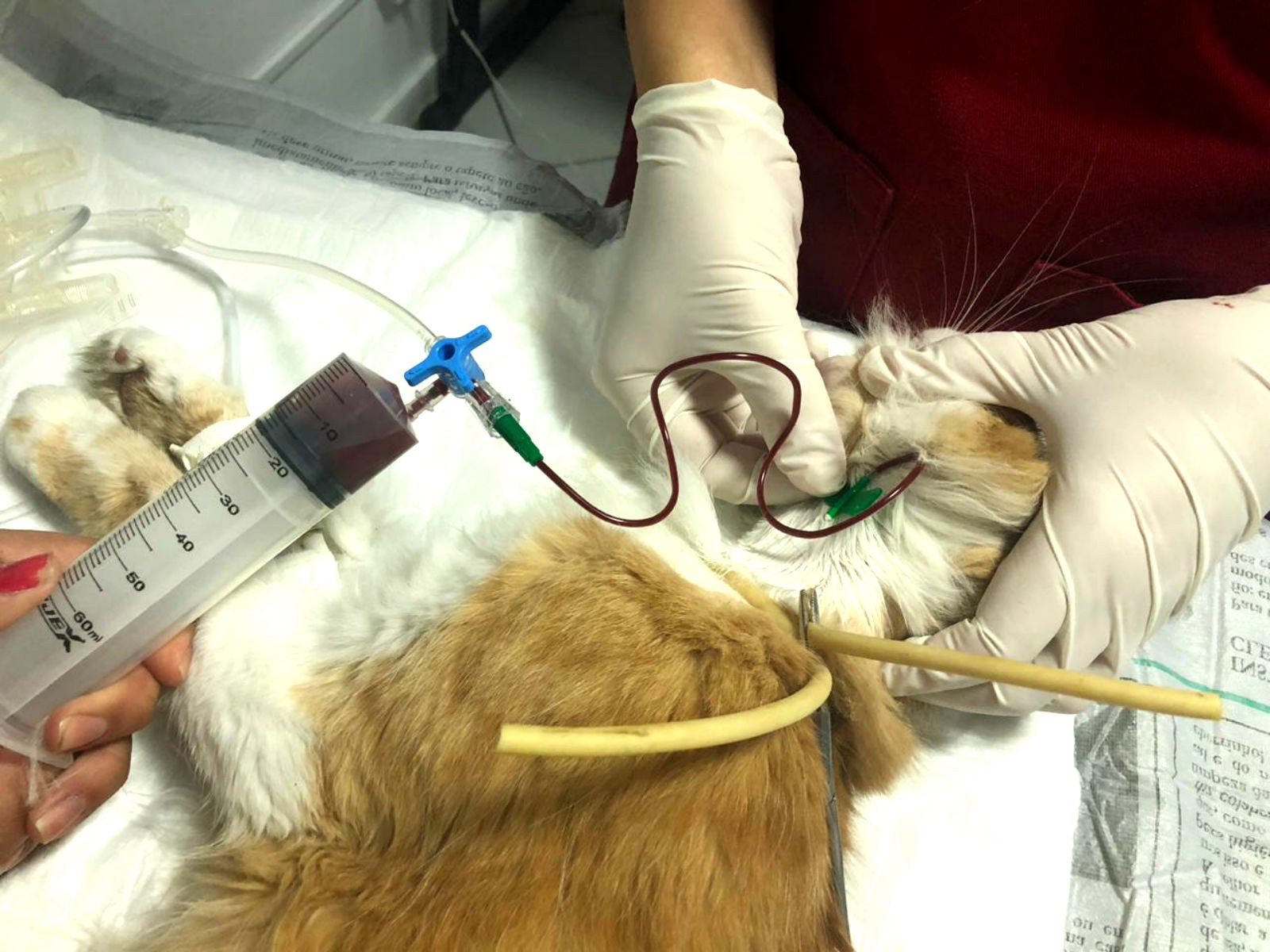
The Veterinary Blood Center of Alagoas (Hemocev) in Brazil is experiencing a severe shortage of blood donors for both dogs and cats, leading to critically low inventory levels in its refrigeration units. This scarcity impacts the center's ability to treat animals suffering from various conditions, including tick-borne diseases, trauma, and hemorrhages. Similar to human blood banks, Hemocev relies on consistent donations to maintain its supply for life-saving transfusions.
The collected animal blood undergoes a rigorous process, including testing and separation of red blood cells, plasma, and platelets, before being refrigerated for use. Veterinarian Érica Pereira highlighted that each blood donation can save up to three animal lives. She specifically noted a significant challenge in securing feline blood donations, describing it as a major bottleneck for the center. Cat blood is categorized into types A, B, and AB, while dog blood is classified by the DEA 1 system (positive and negative).
To qualify as a donor, animals must pass a screening process that assesses their weight, age, and overall health. The article features Chico, a four-year-old Rottweiler who has been a regular blood donor for two years. His owner, Rosana Queiroz, learned about the program through social media and found the process beneficial for Chico, who donates blood every three months. Queiroz emphasized that the donation process is not painful for the animals and highlighted additional health benefits Chico receives, such as regular check-ups, deworming, and vaccinations, in addition to the altruistic aspect of helping other animals in need.
The critical shortage of animal blood donations at Hemocev underscores a systemic challenge in veterinary public health infrastructure. While the direct impact is on individual animal care, the underlying issue points to a need for broader public awareness campaigns and accessible donation protocols. The current reliance on ad-hoc social media outreach suggests a reactive rather than proactive approach to managing essential medical resources for pets. Future veterinary services may need to integrate donor programs more formally, potentially incentivizing regular donations through health benefits or partnerships, to ensure a stable and sufficient supply, mitigating the risk of life-saving treatments being unavailable due to donor scarcity, particularly for species like felines that present unique donation challenges.
AI-generated to prompt reflection — not editorial opinion, not advice, not a statement of fact. How this works.