Alagoas Voters Can Now Register for "Transit Vote" for 2026 Elections
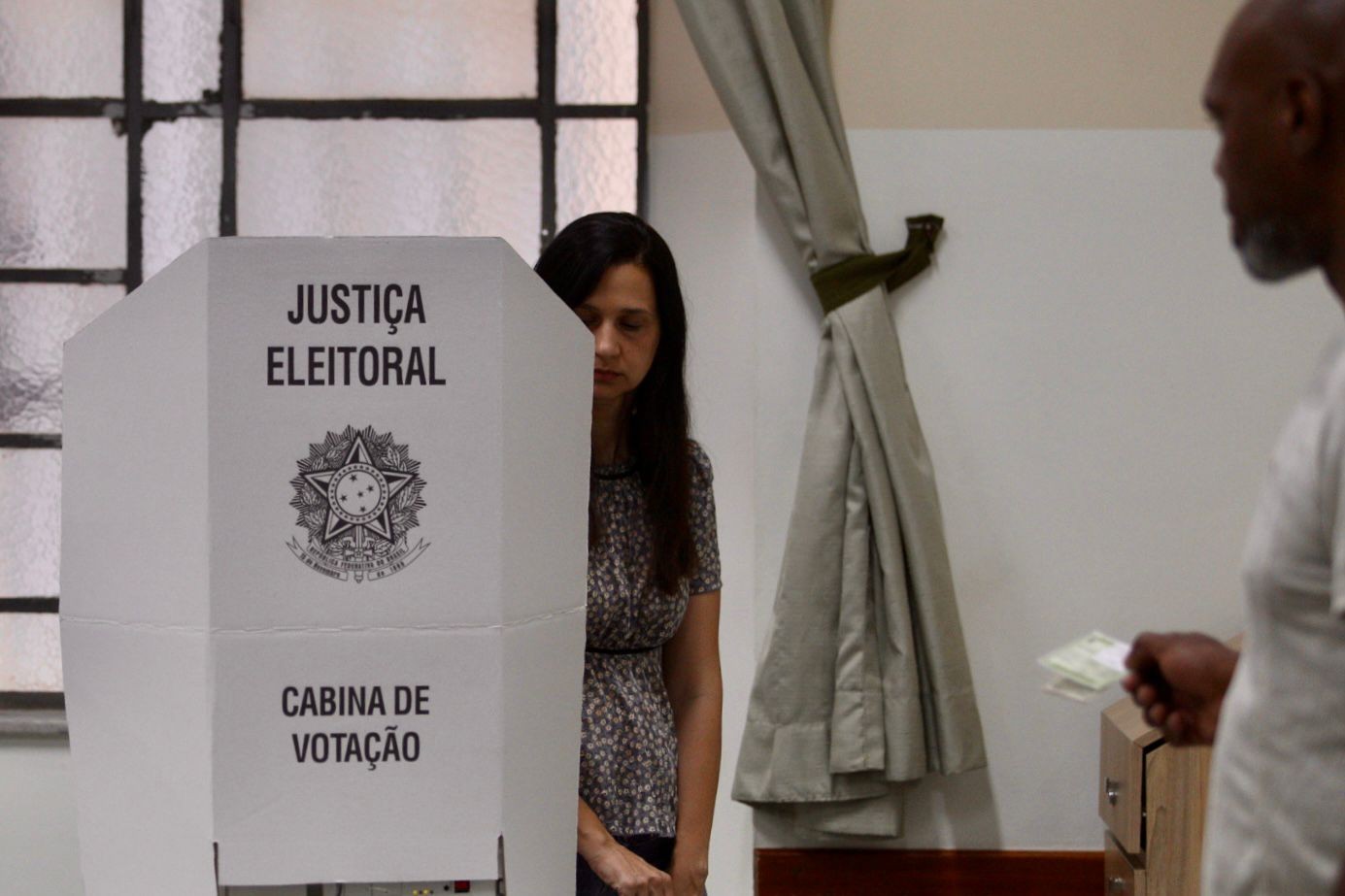
Residents of Alagoas, Brazil, who anticipate being away from their home city on election day can now apply for "transit voting." This service allows eligible voters to cast their ballots in a different location during the 2026 elections. The application period began on Monday, May 20th. Transit voting is available for individuals who will be outside their registered electoral district or serving the Electoral Justice system on election day. Those staying within Alagoas can vote for all positions, including president, governor, senator, federal deputy, and state deputy. However, voters traveling to a different state can only vote for the president. Brazilians residing abroad who will be in Brazil on election day are subject to the same rule as those in other states, meaning they can only vote for president, provided they apply within the deadline. The Electoral Justice system clarifies that transit voting is not permitted in polling stations located outside of Brazil. Applicants with registered biometrics can apply online through the Superior Electoral Court's (TSE) online self-service system. Those without biometrics or who prefer in-person assistance must visit any electoral registry office with a photo ID. Applicants must specify the city and location where they intend to vote, and whether the request applies to the first, second, or both election rounds. Once a transit vote request is approved, the voter can only cast their ballot at the designated location. If travel plans are canceled, voting at the original polling station will not be possible, requiring the voter to justify their absence. The Electoral Justice advises that justifying absence on election day in the transit voting municipality is not permitted.
The "transit vote" system in Alagoas aims to accommodate voter mobility, enhancing electoral participation for citizens who cannot vote in their registered domicile. This initiative addresses the practical challenges of a geographically dispersed electorate, particularly relevant in a large country like Brazil. The system's design, allowing full ballot access within the state but restricted presidential-only voting out-of-state, reflects a balance between administrative feasibility and the principle of representation. Future electoral frameworks might explore technological solutions, such as secure remote voting or enhanced identity verification, to further expand accessibility while maintaining electoral integrity, potentially mitigating the need for physical transit and its associated logistical complexities.
AI-generated to prompt reflection — not editorial opinion, not advice, not a statement of fact. How this works.