Alagoinhas' Unfinished Church: Debunking Myths and Unraveling History
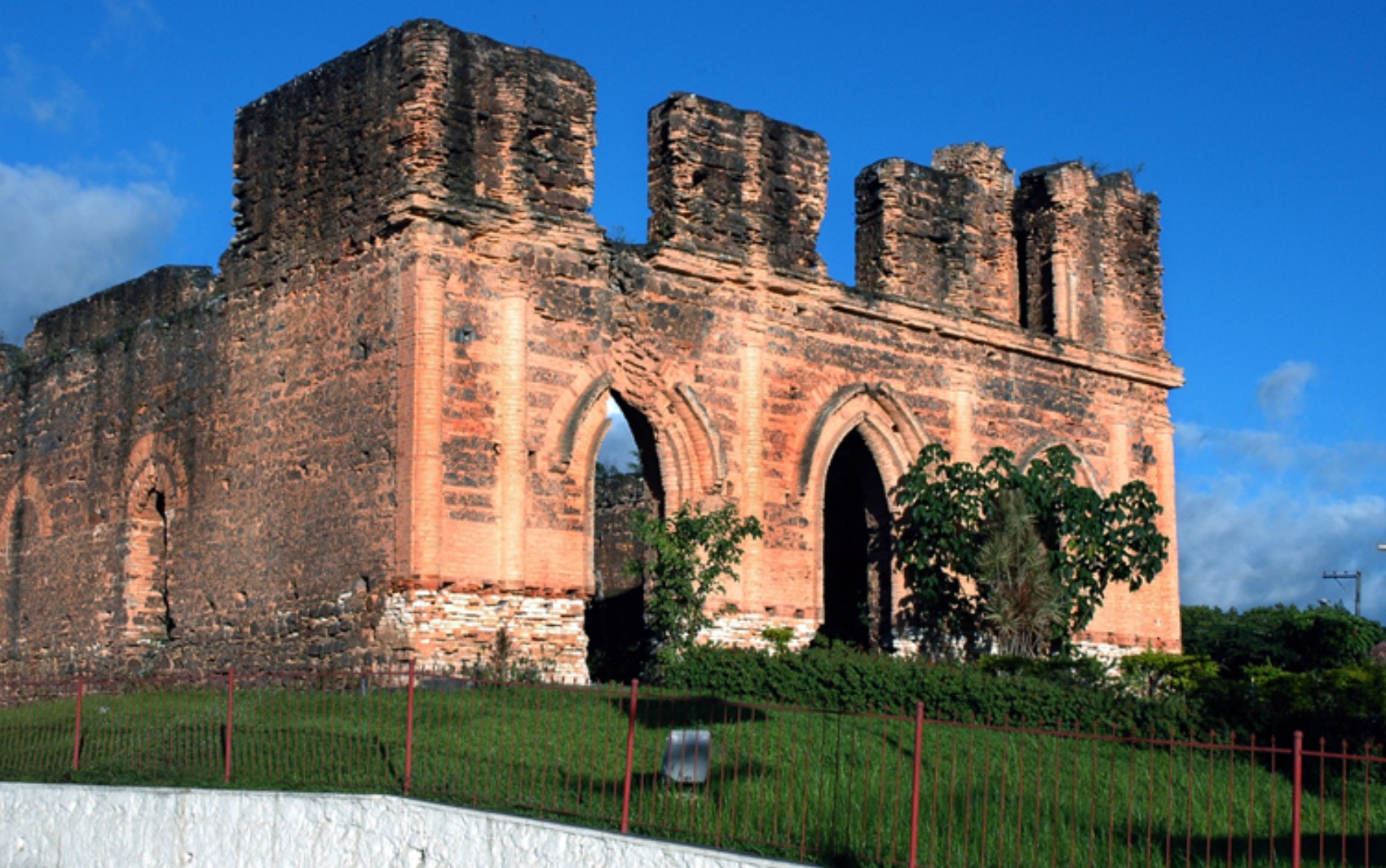
The iconic Unfinished Church of Alagoinhas, a prominent landmark in Bahia, Brazil, stands as a testament to the city's past, though popular legends about its construction materials are unfounded. For over a century and a half, this large, roofless stone structure has fueled speculation, particularly the persistent myth that its mortar was mixed with ox blood and whale oil. However, historical researcher Iraci Gama clarifies that these stories are mere oral traditions, lacking any historical basis. Instead, the church was built using conventional materials of the era, including clay, special clay, quality sand, and water. The true reason for its incomplete state lies in the shifting historical landscape of Alagoinhas. Originally built to serve a growing community around a sacred lagoon, the town evolved from a chapel to a parish and then a village. By the 1860s, a larger church was planned to accommodate the expanding population, with construction commencing in September 1862. This ambitious project, designed to be larger than the current Cathedral of Santo Antônio, featured a facade closely resembling the original design and blended Gothic and Romanesque architectural elements. The church's unfinished fate was sealed by the arrival of the railway in February 1863. The new train station, located about three kilometers from the old town center, rapidly attracted businesses and residents, leading to a migration of the population. As the original urban core emptied, government investment in the church ceased, and construction halted just a few years later. The administrative center officially moved to the railway area in April 1868, leaving the church isolated and incomplete. Despite its unfinished state, the structure's solidity has allowed it to endure. Today, the Unfinished Church is a municipal historical heritage site, designated in 2012, and is considered a primary symbol of Alagoinhas' identity, holding deep emotional significance for its residents. While stabilization work was done between 1991 and 1992, the current technical recommendation is to preserve it as it is, rather than complete the construction. Ongoing monitoring is required to address cracks caused by environmental factors and nearby vehicle traffic. The church continues to be a repository of local memory, representing the city's entire trajectory from its origins to its present form.
The narrative surrounding Alagoinhas' Unfinished Church highlights the enduring power of local folklore versus historical fact. The persistence of the ox blood and whale oil legend, despite its lack of evidence, underscores how captivating oral traditions can become ingrained in a community's identity, sometimes overshadowing documented history. The church's unfinished state, directly linked to the socio-economic shift caused by the railway's arrival, serves as a potent reminder of how infrastructure development and urban planning can dramatically alter a city's trajectory and the fate of its monumental projects. This event offers a case study in the interplay between historical circumstance, community identity, and the preservation of heritage. Future urban development strategies might consider the long-term implications of such shifts, ensuring that significant historical investments are not rendered obsolete by evolving logistical or economic realities, thereby fostering more resilient urban legacies.
AI-generated to prompt reflection — not editorial opinion, not advice, not a statement of fact. How this works.