Alamut Castle and its Fortifications Recognized by UNESCO
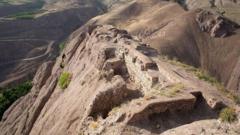
The UNESCO World Heritage nomination for Alamut Castle is not about a single fortress but a chain of seven castles, with Alamut being the most significant. Historically, Alamut has been known in Western culture through accounts of the "Assassins" and the travels of Marco Polo. The process of registering this heritage site with UNESCO involved a comprehensive dossier detailing the historical and architectural significance of the entire complex. This recognition highlights the unique historical and cultural importance of these sites, which have played a role in regional history for centuries. The inclusion in the UNESCO World Heritage list aims to ensure the preservation and protection of these invaluable structures for future generations. The significance of this registration extends beyond mere acknowledgment; it underscores the need for continued conservation efforts and international cooperation in safeguarding such historical landmarks. The recognition also brings global attention to the region's rich past, potentially boosting cultural tourism and further research into its history.
The UNESCO inscription of the Alamut castle complex, comprising seven sites with Alamut as the primary location, signifies a shift from its historical portrayal in Western narratives, often linked to the "Assassins" and Marco Polo, to formal global heritage recognition. This process underscores the value placed on preserving historical and architectural integrity, transcending earlier, more sensationalized associations. The inscription prompts consideration of how such sites, once sites of historical conflict or intrigue, are now viewed through the lens of cultural preservation and global history. The long-term implications involve the potential for increased tourism, the responsibility of safeguarding these sites against modern pressures, and the ongoing narrative shaping of historical memory in an interconnected world.
AI-generated to prompt reflection — not editorial opinion, not advice, not a statement of fact. How this works.