Alan Jones Trial: Legal Expert Explains Closed Court, No Jury
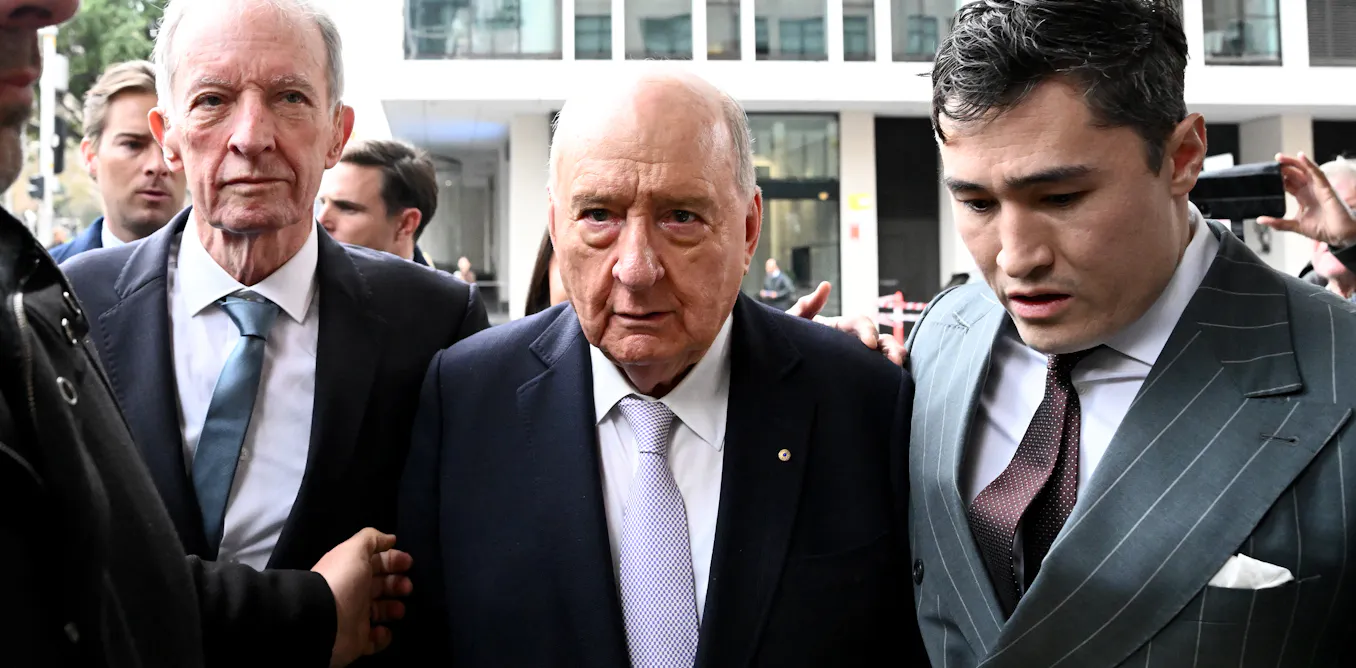
The trial of former shock jock Alan Jones, facing charges of indecent assault and sexual touching, is proceeding without a jury and behind closed doors. This unusual legal approach has prompted questions about the proceedings. A legal expert has provided an explanation for why the trial is being conducted in this manner. The specific details of the charges involve allegations of indecent assault and sexual touching. The decision to hold the trial without a jury signifies a departure from standard jury trial practices. Furthermore, the court being closed to the public indicates restrictions on access to the proceedings. The expert's explanation is crucial for understanding the legal rationale behind these decisions. This case highlights specific legal circumstances that can lead to non-jury trials and closed court sessions. The nature of the charges and the legal framework applicable to such cases likely influenced these procedural choices.
The decision to conduct Alan Jones' trial without a jury and in a closed court suggests a specific legal context, possibly related to the nature of the charges or the protection of individuals involved. Such procedures are typically employed when there's a high risk of prejudice to the defendant's right to a fair trial due to extensive pre-trial publicity, or when sensitive evidence is involved that requires privacy. From a systemic perspective, these measures aim to balance the principles of open justice with the imperative of ensuring a fair and impartial hearing. The long-term implications involve public perception of judicial transparency versus the need for due process in complex or high-profile cases. Future legal reforms may seek to refine the criteria for such exceptional trial conditions to maintain public trust while safeguarding individual rights.
AI-generated to prompt reflection — not editorial opinion, not advice, not a statement of fact. How this works.
