Alan Turing's core AI assumption may be fundamentally flawed, new book argues
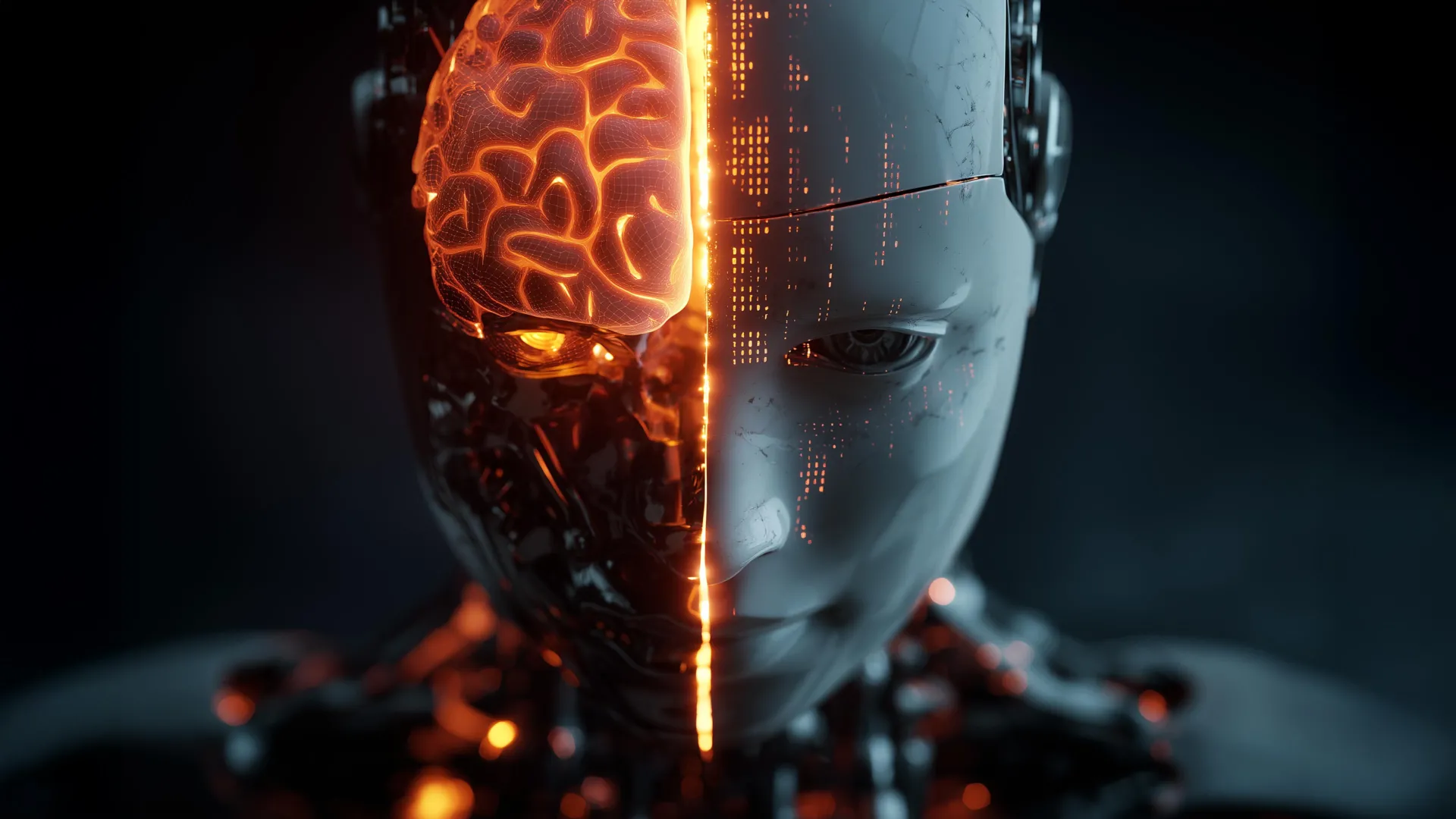
A recently published book challenges a foundational assumption made by Alan Turing in his seminal 1950 paper on artificial intelligence. Peter J. Denning, the author, posits that the most crucial aspects of human intelligence, such as common sense, intuition, cultural understanding, and practical skills, are inherently difficult or impossible to translate into computer code. Denning contends that this limitation means achieving genuine human-level artificial intelligence remains an unattainable goal. He suggests that even the continued advancement and scaling of large language models will not overcome this fundamental barrier. The book's central argument is that AI development has been built upon a potentially incorrect premise regarding the computability of human cognition. This perspective questions the ultimate trajectory and feasibility of creating AI that truly replicates human intellectual capabilities.
AI development has historically been guided by the premise that human intelligence, in its entirety, is computable. This perspective, originating from pioneers like Alan Turing, has driven significant progress in machine learning and large language models. However, Peter J. Denning's argument raises a critical question about whether certain qualitative aspects of human cognition, such as common sense and intuition, can ever be fully digitized. If these elements are indeed non-computable, it implies a potential ceiling for AI's ability to achieve true human-level general intelligence. This challenges the prevailing narrative that simply scaling up current AI architectures will inevitably lead to human-like consciousness or understanding. Future research may need to explore alternative paradigms that account for these non-computable aspects, or accept inherent limitations in AI's capacity to mirror human intelligence.
AI-generated to prompt reflection — not editorial opinion, not advice, not a statement of fact. How this works.