Albanian Government Defends $4.6 Million Payment for Kanye West Concert Amidst Protests
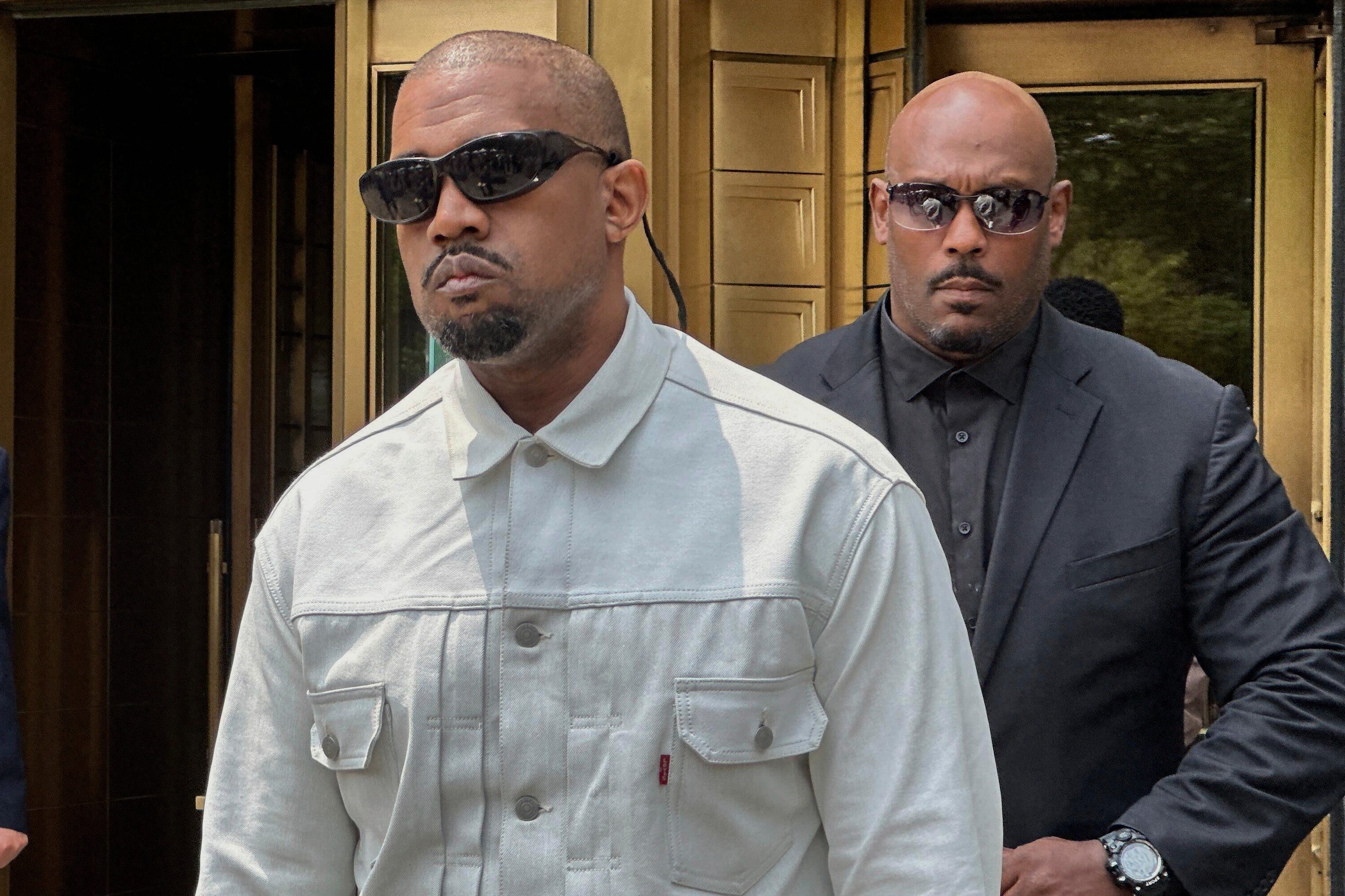
The Albanian government has defended its decision to allocate four million euros, equivalent to $4.6 million or 23.6 million reais, to fund an upcoming concert by American rapper Kanye West in the capital. A special structure was erected for the event, which was anticipated to draw 60,000 attendees, though local media reported significantly lower ticket sales than expected. Minister of Culture Blendi Gonxhe stated that the success of such a show is not solely measured by ticket revenue, highlighting the potential tourism benefits. This decision comes as Kanye West faces scrutiny for past controversial remarks, including praise for Adolf Hitler and the sale of merchandise featuring swastikas, for which he later apologized, attributing his actions to bipolar disorder. The concert funding announcement coincides with ongoing protests demanding the resignation of Albanian Prime Minister Edi Rama. These protests, initially focused on preserving a natural reserve, have evolved into a broader expression of public anger over corruption, further fueled by a tourism complex project linked to the family of former U.S. President Donald Trump.
The Albanian government's decision to fund a high-profile concert by Kanye West, particularly given his controversial public history and the significant expenditure, raises questions about public fund allocation priorities. While the stated aim of boosting tourism is a valid economic objective, the timing of this expenditure amidst domestic protests concerning corruption and environmental concerns presents a potential disconnect with public sentiment. This situation highlights the complex interplay between cultural investment, economic development strategies, and the imperative for governmental transparency and responsiveness to public grievances. Future policy decisions may benefit from a more integrated approach that aligns large-scale public spending with demonstrable public benefit and addresses underlying societal concerns to foster greater public trust and long-term stability.
AI-generated to prompt reflection — not editorial opinion, not advice, not a statement of fact. How this works.