Alcohol Fuels Over 2,300 Addiction Treatments in Alagoas Early 2026
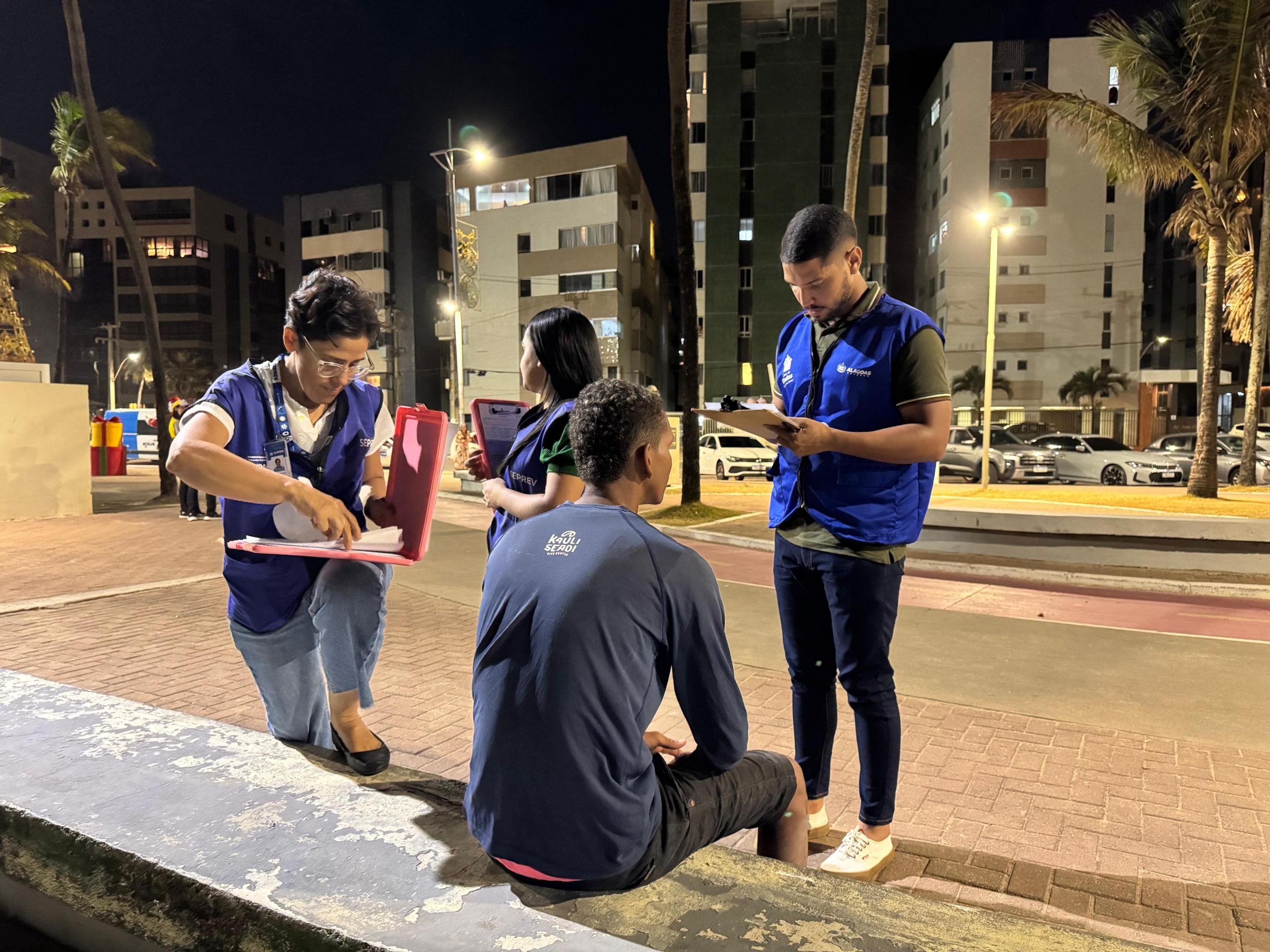
In the first five months of 2026, alcohol emerged as the primary driver of chemical dependency treatment in Alagoas, Brazil, accounting for the majority of the 2,342 cases handled by the Rede Acolhe network. These figures, released on Thursday, June 2nd, encompass individuals seeking help for alcohol and other drug-related disorders. During this period, the service facilitated 1,970 referrals to therapeutic communities. Of those referred, a significant majority were men, with 1,881 individuals identified as male compared to 89 females.
Julyanna Lima, the coordinator of Rede Acolhe, emphasized the program's commitment to individualized care, stating that the approach aims to understand each user's unique circumstances to tailor treatment plans. The initiative extends beyond direct treatment, focusing on understanding users' realities, involving families when appropriate, and developing recovery strategies that offer genuine possibilities for healing.
Rede Acolhe, operating under the State Secretariat for Violence Prevention (Seprev), provides free services for individuals struggling with alcohol and drug use, along with support and guidance for their families. Services are accessible through self-referral or referrals from public health and social assistance networks. In-person consultations are available at the Maceió and Arapiraca Welcome Centers, and technical teams can be reached for scheduled visits via phone.
The data from Alagoas highlights alcohol's prominent role in chemical dependency cases, underscoring a persistent public health challenge. The emphasis on individualized care and family involvement by Rede Acolhe reflects a nuanced understanding of addiction, moving beyond a purely clinical approach. As societal structures evolve, particularly with advancements in AI and digital health, the long-term efficacy of such community-based models will be crucial. Future considerations may involve integrating technological solutions for broader reach and data-driven insights into treatment effectiveness, while ensuring equitable access and maintaining the human-centered approach that appears central to Rede Acolhe's philosophy.
AI-generated to prompt reflection — not editorial opinion, not advice, not a statement of fact. How this works.