Alentejano singing: Portugal's centuries-old choral music captivating younger generations
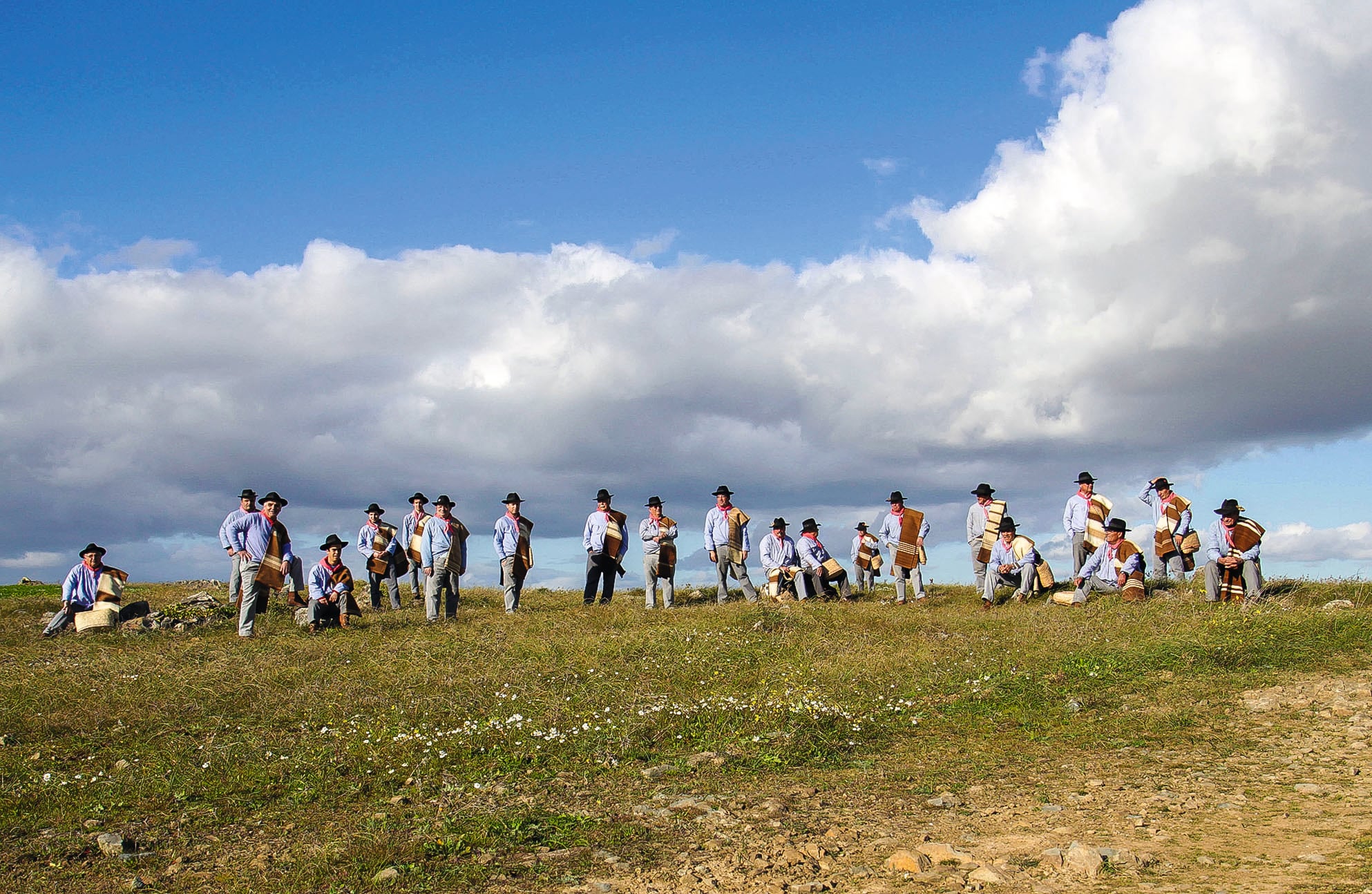
Alentejano singing, a traditional Portuguese choral music style with centuries of history, is successfully attracting younger generations. This unique musical form serves as a powerful instrument for collective cohesion within communities. It is often spontaneously performed in the informal settings of local taverns. The tradition highlights the enduring appeal of deeply rooted cultural expressions. Its ability to resonate with contemporary audiences demonstrates the vitality of folk music. The improvisational nature of the performances adds to its dynamic and engaging character. This revival suggests a growing appreciation for authentic, community-based artistic practices. The music plays a significant role in preserving cultural identity and fostering social bonds.
The enduring appeal of Alentejano singing to younger demographics suggests a broader societal trend of seeking authentic cultural connections amidst rapid technological change. This traditional choral music, functioning as a tool for collective cohesion and improvised in community spaces like taverns, offers a counterpoint to increasingly individualized and digitally mediated experiences. Its ability to thrive indicates that cultural heritage can remain relevant and vibrant by adapting its performance and engagement models, rather than through static preservation. The success of Alentejano singing may offer insights into how other traditional arts can foster intergenerational dialogue and community resilience in the coming decade.
AI-generated to prompt reflection — not editorial opinion, not advice, not a statement of fact. How this works.