Alessa Esper, a finalist for Queen of Barretos 2026, shares her passion for rodeo culture
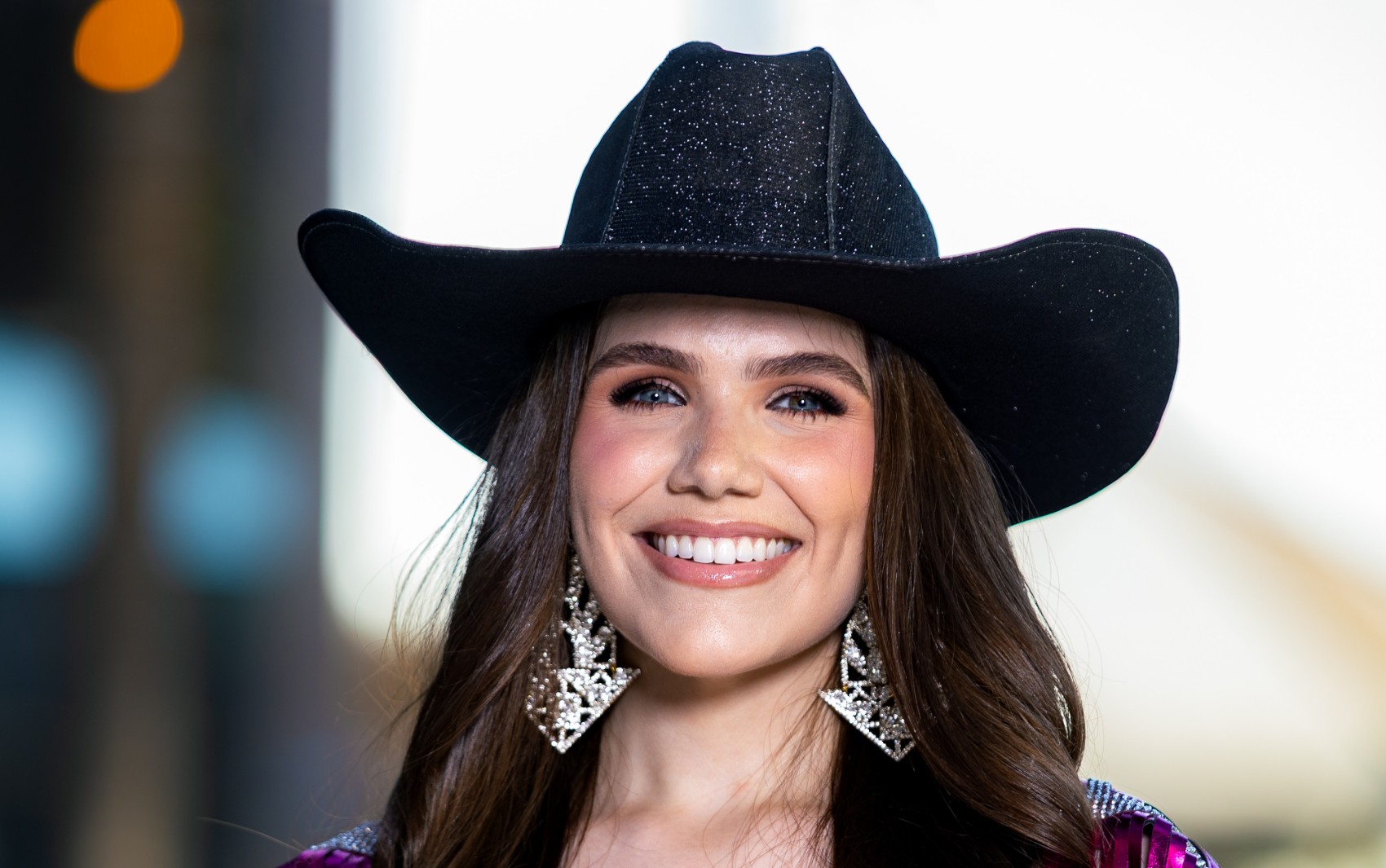
Alessa Esper, a 21-year-old production engineering student, is one of ten finalists competing for the title of Queen of the Barretos Rodeo 2026. Originally from Prata, Minas Gerais, Esper has lived in Barretos for 18 years and developed a passion for the rodeo from a young age, accompanying her father to competitions and shows at the Parque do Peão. She emphasizes how the Festa do Peão de Barretos unites history and sertaneja traditions. Her connection to the event deepened four years ago when she began dating Caio Stoppa, a Team Penning competitor, which further immersed her in the rodeo lifestyle and inspired her dream of participating in the queen contest. This marks Esper's first time entering the competition. The grand finale, where a jury will select the new queen, is scheduled for Friday, August 17th, at North Shopping Barretos. Esper expressed her admiration for the rich country universe, highlighting the passion of its participants, and values like humility and love for traditions. She is particularly inspired by older sertaneja music, citing Zezé di Camargo & Luciano as a favorite. While Team Penning is her preferred rodeo modality due to her personal involvement, she acknowledges the unparalleled excitement of bull riding. Esper believes a Queen of the Barretos Rodeo should embody honor, culture, and tradition, serving as a spokesperson with responsibility, elegance, and humility. If crowned, she aims to leave a legacy of respectfully representing the culture and tradition of Barretos.
The selection of a Queen for the Festa do Peão de Barretos highlights the intersection of cultural tradition, personal aspiration, and community identity within the sertaneja (country) music and rodeo scene. The narrative emphasizes the transmission of values, such as humility and respect for tradition, across generations, often facilitated through family and romantic relationships. This process can be viewed as a mechanism for reinforcing social cohesion and cultural continuity, particularly in regions where such events are central to local identity. From a systems perspective, the contest serves as a platform for cultural capital accumulation, offering participants visibility and potential social mobility within a specific subculture. The emphasis on 'passion' and 'tradition' suggests a cultural logic that prioritizes emotional connection and historical continuity over purely meritocratic or economic considerations. Future iterations might explore how digital platforms and evolving social dynamics influence participation and the definition of cultural representation within these traditional events.
AI-generated to prompt reflection — not editorial opinion, not advice, not a statement of fact. How this works.