Alexander Bublik Reflects on Maturity and the Artistic Side of Tennis
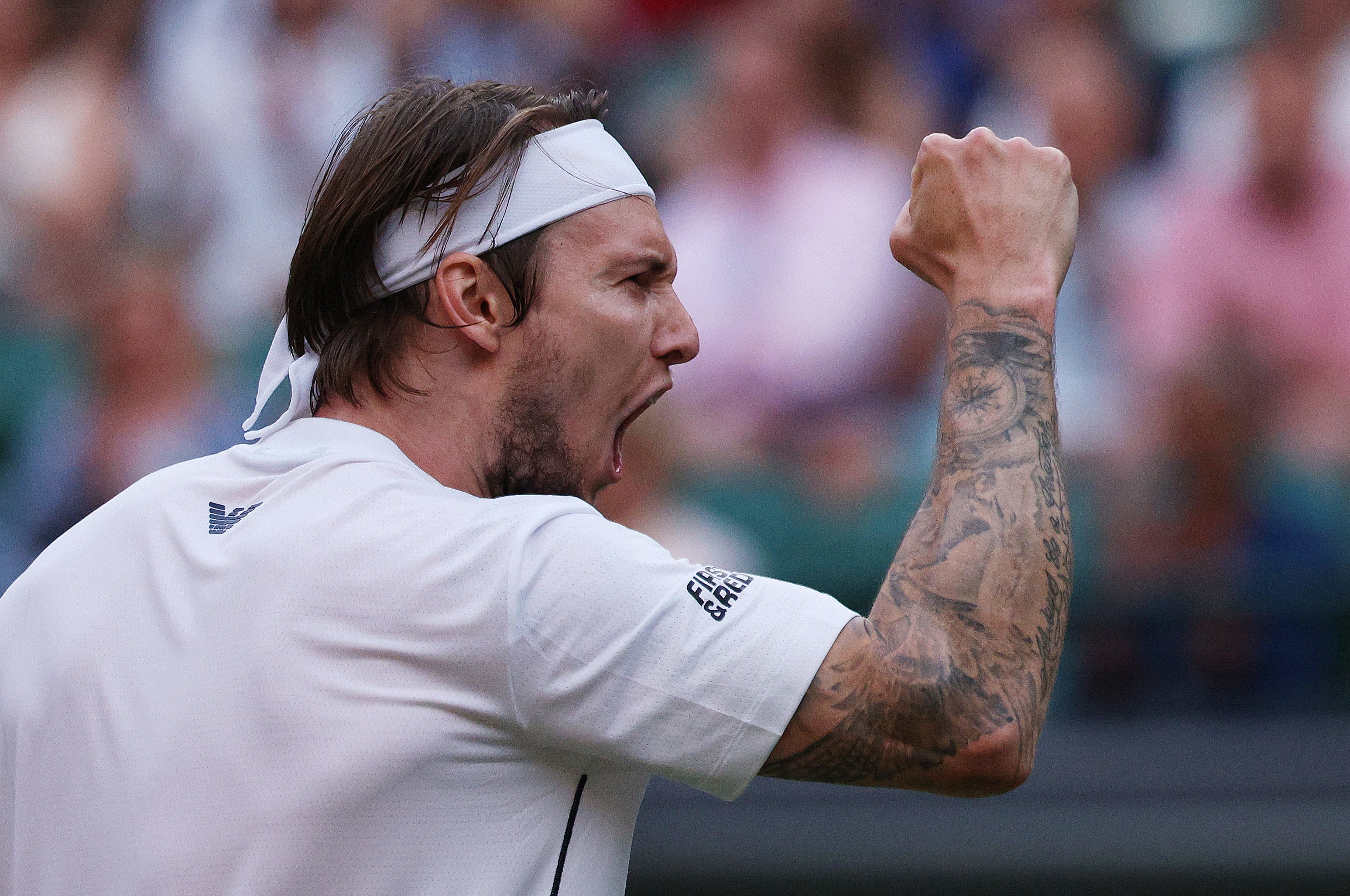
Kazakhstani tennis player Alexander Bublik, known for his audacious style and frequent use of drop shots, has spoken about his personal evolution and the artistic dimension of the sport. In an interview with EL PAÍS, Bublik emphasized the importance of maturity, stating, 'If you haven't matured by 30, you have a problem.' This reflection suggests a deeper consideration of his career trajectory and personal development within the demanding world of professional tennis. Bublik's game is characterized by its unpredictability and flair, often incorporating creative shots that challenge conventional strategies. His willingness to discuss such personal aspects of his game and life indicates a growing self-awareness and a desire to connect with fans on a more profound level. The interview likely delves into how his approach to the game has changed over time and how he views the balance between strategic play and artistic expression on the court. His comments highlight a potential disconnect between youthful exuberance and the seasoned perspective required for sustained success and personal growth in elite sports.
Alexander Bublik's commentary on maturity by age 30 highlights a common challenge in professional sports, where the intense demands can accelerate or, conversely, delay personal development. The intersection of artistic expression and strategic execution in tennis presents a continuous tension for players; those who master this balance often achieve longevity and unique legacies. As athletes increasingly face scrutiny in the digital age, their public reflections on personal growth become significant indicators of evolving player-brand dynamics. The emphasis on maturity suggests a recognition that peak performance may be intrinsically linked to psychological and emotional readiness, a factor likely to gain prominence in the AI-driven analysis of athletic potential and career management over the next decade.
AI-generated to prompt reflection — not editorial opinion, not advice, not a statement of fact. How this works.