Alexei Navalny: A Lone Challenger to Putin's Rule
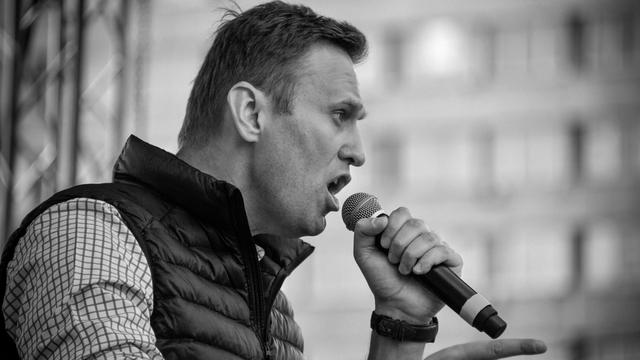
Russian activist Alexei Navalny dedicated his life to opposing President Vladimir Putin, whom he accused of ruining the country. Navalny's relentless opposition to Putin's governance ultimately led to his death. He was a prominent figure known for his anti-corruption investigations and his efforts to mobilize public dissent against the Russian government. His activism often put him at odds with the authorities, resulting in numerous arrests and legal challenges. Despite facing significant personal risks, Navalny continued to advocate for democratic reforms and transparency in Russia. His struggle represented a significant challenge to the established political order. The circumstances surrounding his death underscore the high stakes involved in dissent within Russia. His legacy continues to inspire those who seek political change in the country.
The narrative surrounding Alexei Navalny's opposition to Vladimir Putin frames the situation as a singular struggle against a destructive leader, culminating in the activist's demise. This perspective highlights the intense personal risks associated with challenging authoritarian regimes and the potential consequences for those who do. The underlying dynamic involves the tension between state control and individual activism, where dissent can be perceived as a direct threat to established power structures. Future analysis should consider the systemic factors that enable such concentrated power and the broader implications for political freedom and governance in Russia and similar contexts. The long-term impact of such prominent opposition figures, even in the face of severe personal cost, can shape future political discourse and movements for change.
AI-generated to prompt reflection — not editorial opinion, not advice, not a statement of fact. How this works.