Algae Bloom in Arendsee: State Agency Unable to Act
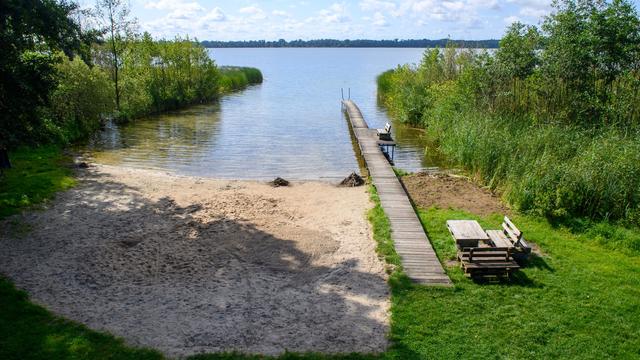
The Arendsee, a lake in Germany, is currently experiencing a significant algae problem. Despite the visible issue, the responsible state agency, the Landesbetrieb für Gewässerschutz (State Office for Water Protection), is unable to take direct action. This limitation stems from legal and regulatory constraints that prevent the agency from intervening in such situations. The specific reasons for this inaction are not detailed, but it highlights a potential gap in environmental management protocols for natural bodies of water. The algae bloom poses a threat to the lake's ecosystem and potentially to recreational use. The situation underscores the challenges faced by environmental authorities when dealing with natural phenomena that require intervention but fall outside their immediate purview or legal authority. Further details on the extent of the algae problem and its specific impacts are not provided in the source material.
The inability of the State Office for Water Protection to address the algae bloom in Arendsee, despite its mandate for water protection, points to potential systemic issues in environmental governance. This situation may arise from a disconnect between regulatory frameworks designed for specific types of pollution and the management of natural ecological fluctuations. Such constraints can lead to delayed or absent interventions, allowing environmental problems to escalate. Looking ahead, it is crucial to examine the legal and operational structures governing environmental agencies to ensure they possess the necessary flexibility and authority to respond effectively to evolving ecological challenges, particularly in the context of climate change which can exacerbate such issues.
AI-generated to prompt reflection — not editorial opinion, not advice, not a statement of fact. How this works.