Alibaba Blocks Anthropic's Claude Code Over Alleged China-Detection Feature
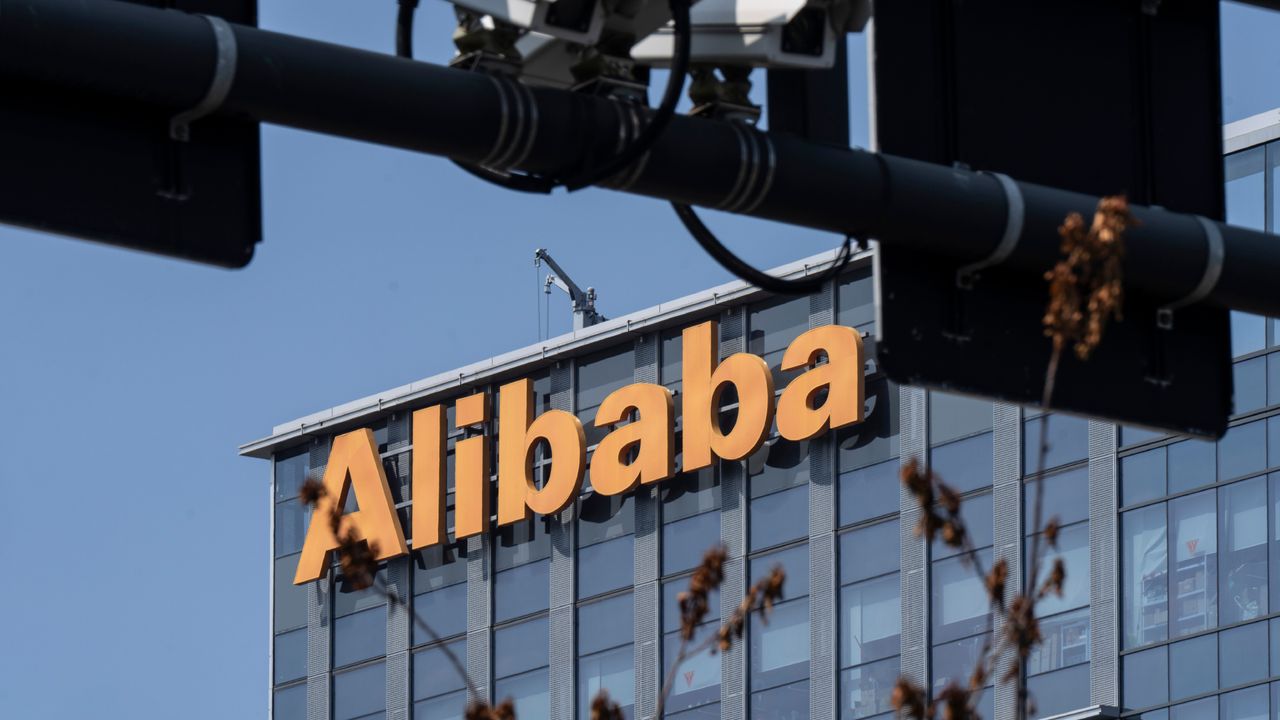
Alibaba has reportedly banned the use of Anthropic's Claude Code by its employees following the discovery of an alleged hidden feature designed to detect if the code was being used in China. This development has led to staff being instructed to switch to an alternative coding tool, Qoder. The ban signifies a deepening rift between Alibaba and Anthropic, a prominent AI safety and research company. The specific nature of the alleged backdoor and its implications for data privacy and regulatory compliance remain central to this dispute. Alibaba's decision underscores concerns about the potential for AI tools to incorporate undisclosed functionalities, particularly those that could be perceived as surveillance or data-gathering mechanisms. The move also highlights the growing importance of trust and transparency in the adoption of advanced AI technologies within large corporations.
The reported ban by Alibaba on Anthropic's Claude Code, citing an alleged hidden China-detection feature, raises critical questions about AI tool governance and cross-border technology trust. Companies integrating AI must navigate complex geopolitical landscapes and ensure transparency in AI model functionalities. This incident underscores the need for robust auditing mechanisms and clear contractual obligations regarding data handling and algorithmic behavior. As AI adoption accelerates globally, the potential for such 'backdoors,' whether intentional or accidental, could create significant compliance risks and erode user confidence. Future AI development frameworks may need to incorporate standardized security and ethical review processes to mitigate these systemic vulnerabilities and foster a more secure digital ecosystem.
AI-generated to prompt reflection — not editorial opinion, not advice, not a statement of fact. How this works.