Alice and Mafalda: Enduring Icons Resurface Across Media and Culture
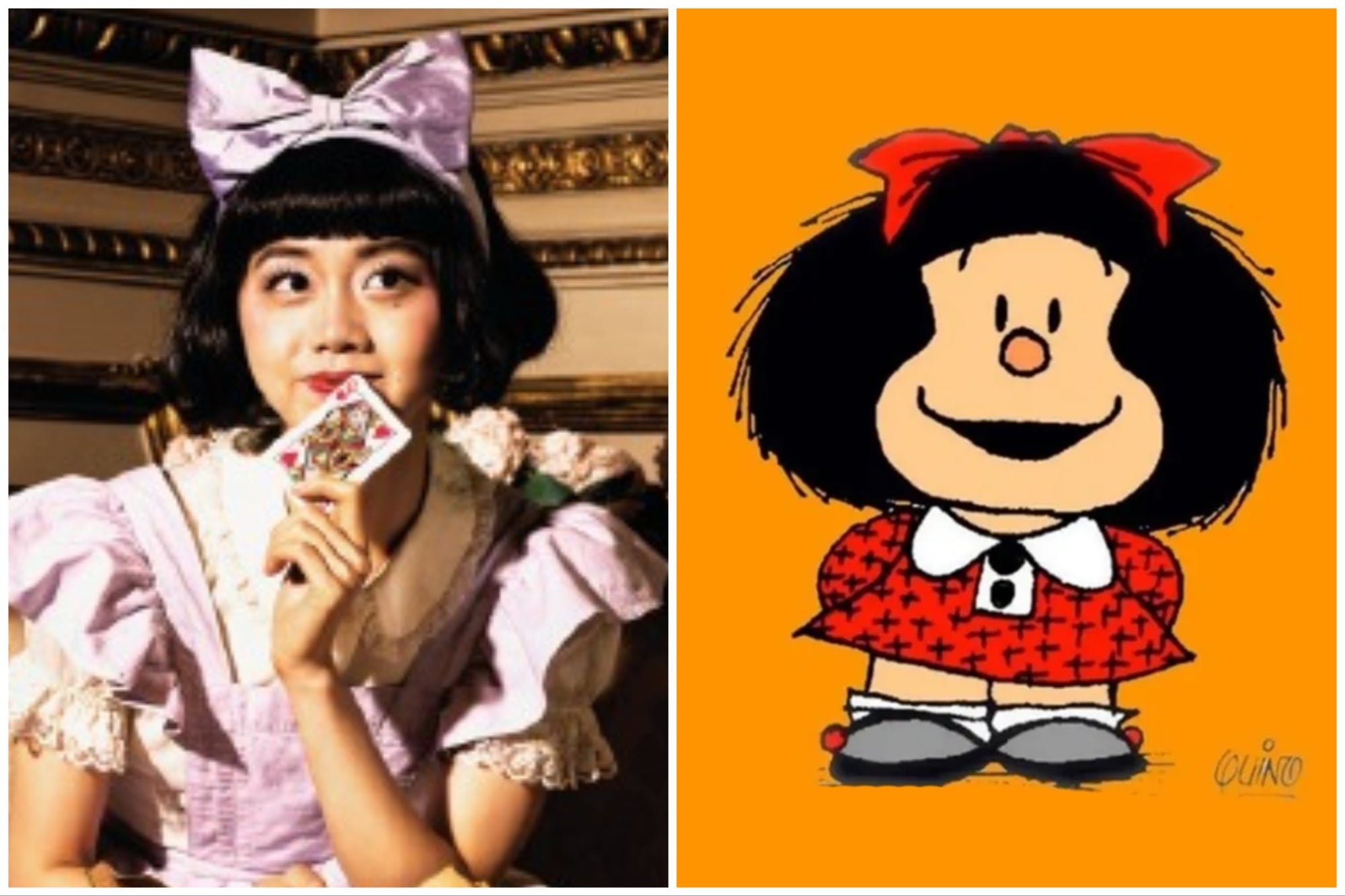
Two beloved fictional characters, Lewis Carroll's Alice and Quino's Mafalda, are experiencing a significant resurgence across various cultural platforms. The article highlights how both characters, despite their vastly different origins and eras, maintain remarkable relevance in the 21st century. Alice's Wonderland has been brought to life through a grand ballet and musical production at the Teatro Colón and illuminated neon installations in the Botanical Garden, perfect for social media engagement. Streaming services further amplify Alice's presence with multiple film adaptations, including a 1933 star-studded version, Tim Burton's interpretations, horror-themed takes, and an Eduardo Pla adaptation set in 1970s Buenos Aires. Complementing this, Alice is also readily available in illustrated and pop-up book editions found in bookstores and at the Children's Book Fair.
Mafalda is equally ubiquitous, with news of new sculptures appearing in cities and extensive merchandising dominating commercial areas like Florida Street. An interactive exhibition is slated for the Centro Cultural Recoleta in October, and her television presence is anticipated on Netflix. A reissue of "Todo Mafalda" is introducing her timeless comic strips to new generations. While Alice, often perceived as naive, is characterized by her optimism and daring, Mafalda, a product of a different time and continent, grappled with social movements, consumerism, and women's roles. Despite their differences, both possess sharp intelligence and spontaneity, contributing to their enduring fame. The article posits that their continued resonance lies in their ability to offer profound insights, with Alice's early dialogues prefiguring modern notions of personal boundaries and Mafalda's strips consistently reflecting timeless wisdom, urging readers to pay attention to their enduring messages.
The widespread reappearance of Alice and Mafalda across diverse media platforms, from high-production theater to streaming services and interactive exhibitions, signifies a cultural demand for narratives that blend escapism with underlying social commentary. This phenomenon suggests a contemporary audience seeking characters who, despite their fictional origins, offer relatable perspectives on societal norms, personal boundaries, and existential questions. The enduring appeal of these characters, created in different centuries for distinct purposes—one a fantastical journey, the other a critique of societal issues—indicates a persistent human inclination to engage with archetypes that challenge conventional thinking. Their continued relevance in the digital age, amplified by new technologies and formats, underscores the power of well-crafted narratives to transcend time and adapt to evolving consumption patterns, offering a lens through which to examine current societal anxieties and aspirations.
AI-generated to prompt reflection — not editorial opinion, not advice, not a statement of fact. How this works.