Alioune Tine: Senegal Enters New Political Era Amidst Party Realignment
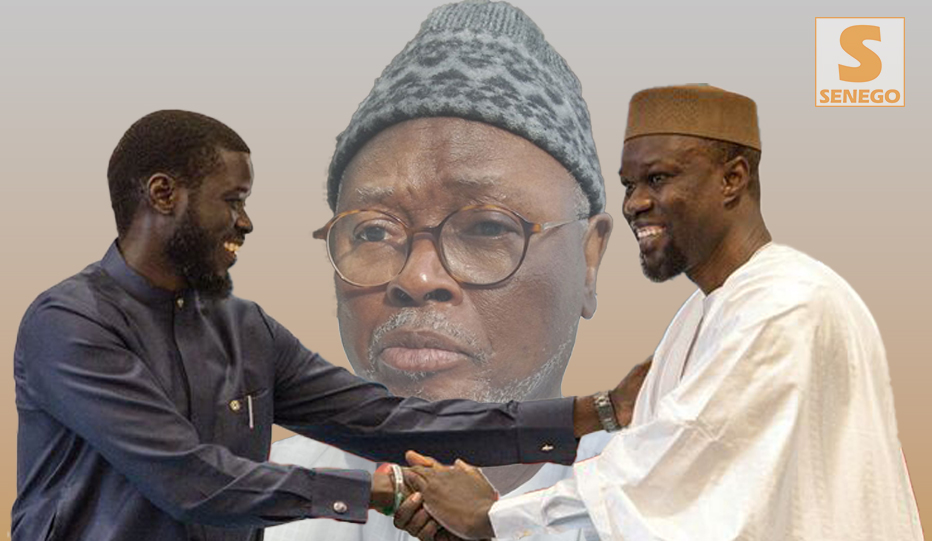
Political figure Alioune Tine believes Senegal has entered a new chapter in its political history, characterized by a "generational democratic turning point" and a significant restructuring of the party system. He observes that this shift is evident in the "widening rift between Diomaye and Sonko" and the "confirmed division of Pastef." Tine suggests that these developments offer retrospective clarity on why former President Wade and current President Macky Sall were unwilling to relinquish party leadership. He posits that this reluctance stemmed from a desire to maintain control over their respective political bases and influence. The current political landscape, according to Tine, is undergoing a fundamental transformation, moving beyond previous partisan dynamics. This period of change is expected to reshape Senegal's political future as new alignments and leadership emerge.
The observed political realignments in Senegal, as described by Alioune Tine, highlight a common dynamic in developing democracies where leadership succession and party control become central to political stability. The "generational democratic turning point" suggests a potential shift in voter priorities towards new leadership paradigms. The fragmentation of established parties, such as Pastef, and internal rifts within political movements can create opportunities for new political actors and ideologies to emerge. This period of flux presents both challenges and opportunities for Senegal's governance structures, potentially leading to either increased political competition and responsiveness or instability if not managed effectively. The long-term implications will depend on the ability of Senegal's institutions to adapt to these evolving political forces and ensure transparent and inclusive democratic processes.
AI-generated to prompt reflection — not editorial opinion, not advice, not a statement of fact. How this works.