All Belém Beaches Rated Fit for Swimming for First Time in 25 Years
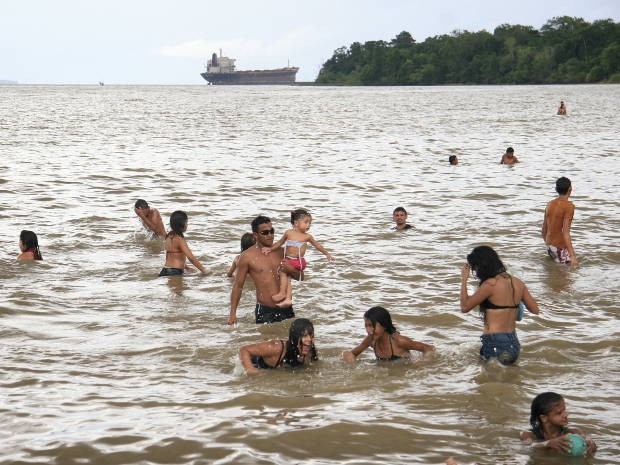
A recent survey conducted by the Municipal Secretariat of Environment (Semma) in Belém, Brazil, has found all monitored beaches and bathing areas to be suitable for swimming. This marks a significant achievement, as it is the first time in 25 years that all 20 analyzed locations have received a positive classification. The assessment, which took place between May and June 2026, covered beaches and bathing spots in Icoaraci, Outeiro, Mosqueiro, Cotijuba, and Ilha do Combu. All sites were categorized as 'Excellent,' indicating Escherichia coli (E. coli) concentrations below the legal limits for recreational activities. Semma attributes this success to intensified environmental inspection efforts, particularly in combating illegal effluent disposal, and the preventive use of environmental licensing. Paulo Fontel, head of Semma's Environmental Monitoring and Inspection Division, highlighted this as a historic milestone, contrasting it with the previous year when critical points and unsuitable beaches were identified. The analysis adheres to Conama Resolution nº 274/2000, primarily assessing E. coli levels as an indicator of sewage or fecal contamination, alongside solid waste, effluent discharge, and water appearance. Fontel also noted the contribution of municipal environmental education initiatives to the positive outcome. Semma has committed to continuous water quality monitoring throughout the year.
The positive classification of all Belém's bathing areas represents a notable success in municipal environmental management, likely driven by enhanced enforcement and preventative measures against pollution. This outcome suggests that targeted interventions, such as stricter effluent controls and environmental licensing, can yield tangible improvements in water quality. The long-term sustainability of this achievement will depend on the continued commitment to monitoring and enforcement, as well as public engagement in environmental stewardship. Future challenges may include managing increased recreational use and adapting to potential climate change impacts on water systems. The city's success offers a replicable model for other municipalities facing similar environmental challenges, demonstrating the efficacy of integrated management strategies.
AI-generated to prompt reflection — not editorial opinion, not advice, not a statement of fact. How this works.