All Cities in Pernambuco Under Gale Alert This Weekend
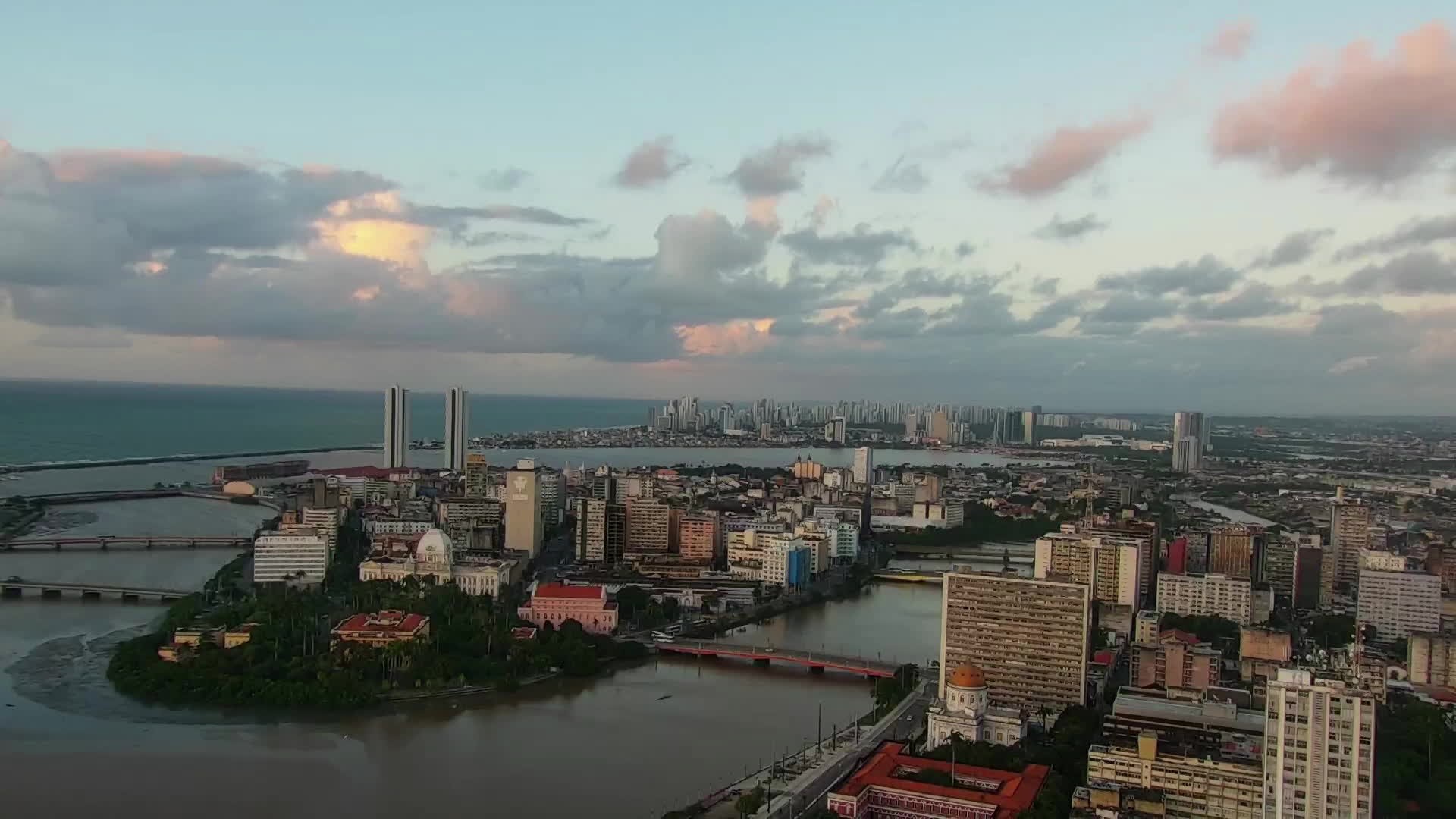
The National Institute of Meteorology (Inmet) has issued a gale alert for most of the Northeast region of Brazil, encompassing all 184 cities in Pernambuco. This yellow-level alert, signifying potential danger, will be in effect from midnight Saturday, June 1st, until 11:59 PM on the same day. In Pernambuco, the primary risk identified is the potential for tree branches to fall. Wind speeds are expected to range between 40 and 60 kilometers per hour. This is significantly lower than the wind speeds experienced in the Southeast region earlier this week, where gusts exceeding 100 km/h resulted in fatalities, destruction, and power outages, causing five deaths in São Paulo and Rio de Janeiro. The recent strong winds across Brazil are attributed to a cold front that primarily affected the South and Southeast. Inmet advises residents to avoid sheltering under trees due to the risk of falling branches and electrical discharges. They also recommend not parking vehicles near transmission towers or advertising signs. In emergencies, citizens are urged to contact the Civil Defense at 199 or the Fire Department at 193.
This meteorological alert highlights the dynamic weather systems affecting Brazil, with a focus on potential impacts in Pernambuco. While the current warning is classified as low severity, it serves as a reminder of the importance of preparedness for weather-related events. The comparison to more severe incidents in the Southeast underscores the varying intensity of such phenomena and the need for region-specific risk assessment. Public safety directives from Inmet emphasize individual responsibility in mitigating risks associated with high winds. Looking ahead, the increasing frequency and intensity of extreme weather events globally, potentially exacerbated by climate change, suggest that robust early warning systems and public education on safety protocols will become even more critical for resilient communities.
AI-generated to prompt reflection — not editorial opinion, not advice, not a statement of fact. How this works.