All-Grain Diet Accelerates Calf Weight Gain, Boosting Producer Profits
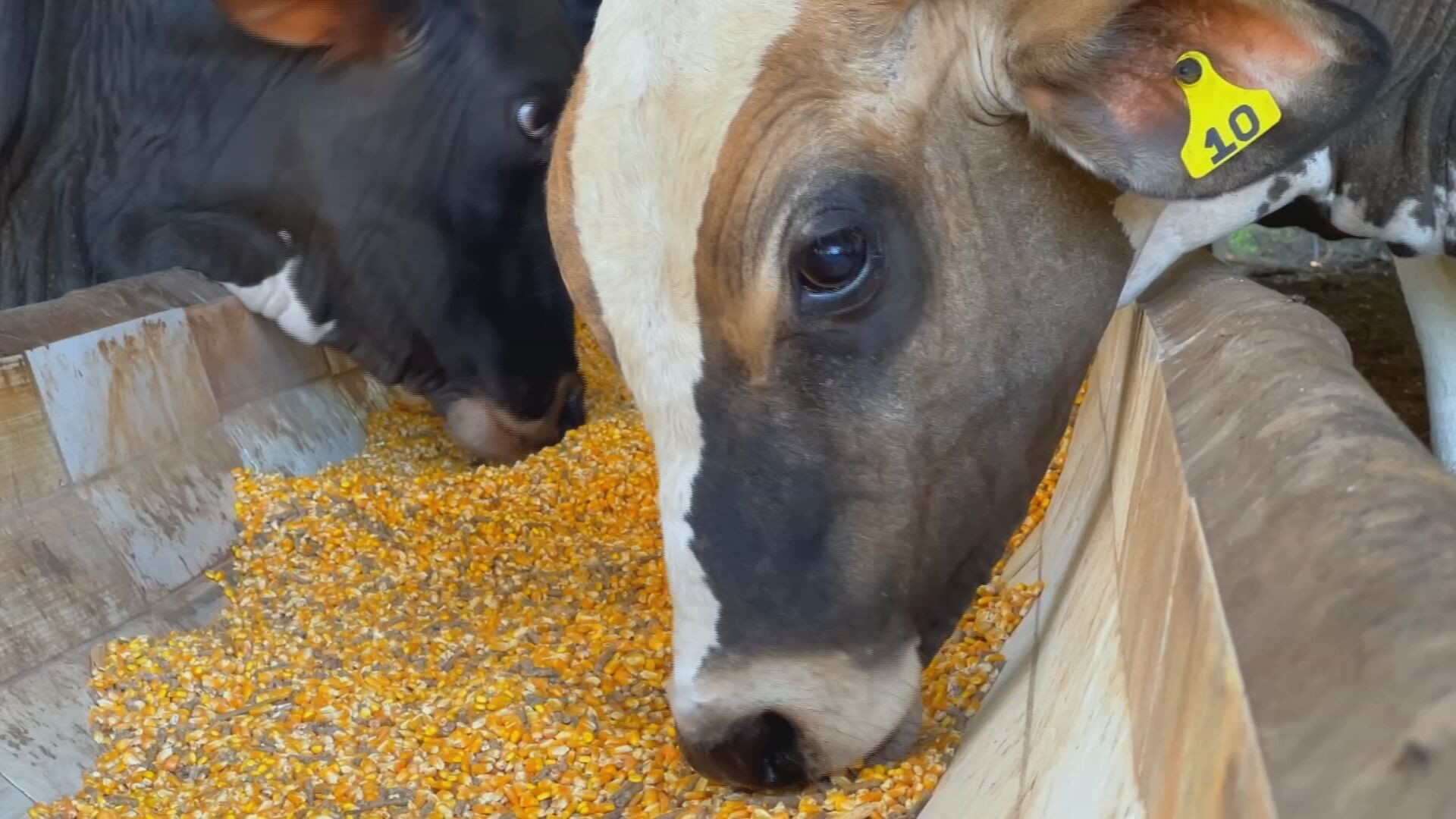
An experimental diet developed by CATI Regional de Jales in São Paulo, Brazil, aims to increase calf profitability and shorten their raising time. This 'all-grain' diet consists of a mixture of 85% whole corn and 15% vitamins, proteins, and minerals. Veterinarian Ivan Vitorelli is testing this method on 20 calves in Urânia, São Paulo. The model has the potential to reduce the time to slaughter dairy calves from three and a half years to just one and a half years. In an initial 60-day period, the 20 calves increased their weight from seven to over ten arrobas (approximately 105 kg to 150 kg). They are expected to exceed 14 arrobas (around 210 kg) within two months, a weight sufficient for slaughter. This accelerated weight gain enhances sales value, as the cost to produce an arroba ranges from R$220 to R$250, while the selling price is between R$330 and R$350, yielding a profit of R$900 to R$1,000 per arroba. Dairy farmer Danilo Rodrigues Monção adopted the model after a CATI presentation, observing two 130 kg calves gain an average of 40 kg in 50 days. Once calves reach 15 arrobas (approximately 225 kg), they can be sold at the price of a steer. Implementing the 'all-grain' diet requires prior sanitary protocols, including vaccination, deworming, and tick control. Interested parties can contact CATI de Jales at (17) 3632-1909.
This novel 'all-grain' feeding strategy for calves presents a potential optimization within the livestock industry, aiming to reduce production cycles and enhance economic returns. By concentrating on high-energy feed components like corn, the diet appears designed to accelerate growth rates, thereby shortening the time to market. This approach could influence market dynamics by increasing the supply of finished animals more rapidly. However, the long-term implications for animal health, welfare, and the sustainability of such intensive growth protocols warrant careful monitoring. Furthermore, the economic viability will depend on consistent market prices for the finished product and the stable availability of the specialized feed components. Future considerations might include exploring the nutritional completeness and potential environmental footprint compared to traditional methods.
AI-generated to prompt reflection — not editorial opinion, not advice, not a statement of fact. How this works.